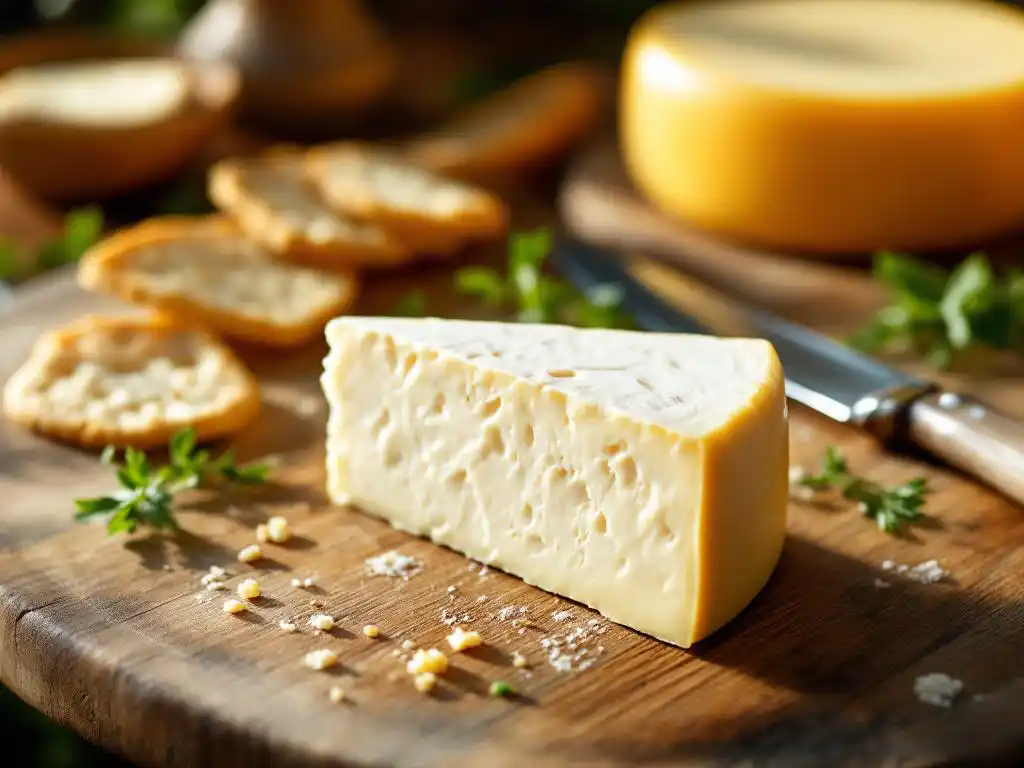
Food manufacturers are increasingly choosing goat cheese over traditional cow’s cheese for several compelling reasons. Goat cheese offers unique functional properties, better digestibility, and growing consumer demand that make it an attractive alternative for food production. From its distinct protein structure to its premium market positioning, goat cheese provides manufacturers with opportunities to differentiate their products while meeting evolving consumer preferences for healthier, more digestible dairy options.
What makes goat cheese different from cow’s cheese for food production?
Goat cheese differs from cow’s cheese in fundamental ways that significantly impact food manufacturing. The protein structure in goat cheese contains smaller casein micelles and different protein ratios, creating a softer, more spreadable texture. Goat cheese has a naturally lower fat content with smaller fat globules, which affects how it performs in various food applications and contributes to its distinctive tangy flavour profile.
The compositional differences between goat and cow’s cheese extend beyond basic nutritional profiles. Goat cheese contains higher levels of short- and medium-chain fatty acids, which contribute to its characteristic sharp taste and affect how it melts and blends with other ingredients. These fatty acids also influence the cheese’s stability during processing and storage, making it particularly suitable for certain manufacturing applications.
For food manufacturers, these differences translate into practical considerations for product development. Goat cheese’s softer texture makes it easier to incorporate into spreads, dips, and creamy sauces without extensive processing. The unique flavour profile allows manufacturers to create products with distinctive taste characteristics that stand out in crowded market segments. Additionally, the different protein structure affects how goat cheese interacts with other ingredients, often requiring adjustments to traditional recipes designed for cow’s cheese.
Why is goat cheese easier to digest for many consumers?
Goat cheese is easier to digest primarily due to its smaller fat globules and different protein composition. The fat globules in goat’s milk are approximately one-fifth the size of those in cow’s milk, allowing digestive enzymes to work more efficiently. The protein structure contains more A2 beta-casein and less A1 beta-casein, which many people find gentler on their digestive systems.
The digestibility advantages extend to lactose content as well. While goat cheese isn’t lactose-free, it typically contains slightly less lactose than cow’s cheese, and the presence of different enzymes can make it more tolerable for some individuals with mild lactose sensitivity. The higher proportion of medium-chain fatty acids in goat cheese also contributes to easier digestion, as these compounds are absorbed more readily by the body without requiring bile salts for breakdown.
For food manufacturers targeting health-conscious markets, these digestibility factors represent significant selling points. Products featuring goat cheese can appeal to consumers seeking dairy alternatives that won’t cause digestive discomfort. This opens opportunities in speciality food segments, including products for sensitive stomachs, premium health foods, and alternatives for those who struggle with traditional dairy products. Understanding these benefits helps manufacturers position their goat cheese products effectively in the marketplace.
How does goat cheese perform in different food manufacturing applications?
Goat cheese performs exceptionally well across various food manufacturing applications, though its behaviour differs from cow’s cheese. In ready meals and salads, goat cheese maintains its texture better than many cow’s cheeses, resisting breakdown when mixed with acidic ingredients like vinaigrettes. Its natural crumbling properties make it ideal for salad toppings and meal kit components where portion control and visual appeal matter.
For pizza and hot applications, goat cheese melts differently than cow’s cheese, creating a creamy rather than stringy texture. This characteristic works particularly well in gourmet pizzas, flatbreads, and baked dishes where a sophisticated flavour profile is desired. The melting point of goat cheese is slightly lower than that of most cow’s cheeses, requiring temperature adjustments in manufacturing processes but offering advantages in creating smooth, creamy sauces and fillings.
In sandwich and wrap applications, goat cheese provides excellent spreadability without requiring additional processing or additives. Its natural consistency at room temperature makes it easier to work with on production lines compared with harder cow’s cheeses that might need warming or softening. The shelf life of goat cheese products varies depending on the specific type and processing method, but fresh goat cheese typically maintains quality for several weeks when properly packaged, making it suitable for various distribution timelines.
What are the market trends driving goat cheese adoption in food manufacturing?
Consumer demand for goat cheese has grown significantly, driven by health and wellness trends emphasising digestibility and nutritional benefits. Premium positioning opportunities abound as consumers increasingly associate goat cheese with artisanal quality and sophisticated flavours. The speciality cheese market continues to expand, with goat cheese capturing a growing share as consumers seek unique taste experiences and perceived health advantages.
Market data shows consistent growth in goat cheese consumption across multiple demographics, particularly among millennials and health-conscious consumers. The trend toward Mediterranean and Middle Eastern cuisines has also boosted demand, as these culinary traditions frequently feature goat cheese. Food manufacturers are responding by incorporating goat cheese into product lines ranging from premium ready meals to healthy snack options.
The influence on manufacturer decisions extends beyond simple ingredient substitution. Companies are developing entire product lines around goat cheese’s unique properties, creating new categories and market segments. Product development strategies now often include goat cheese variants of successful cow’s cheese products, allowing manufacturers to offer premium alternatives while maintaining familiar product concepts. This trend shows no signs of slowing, with continued innovation in goat cheese applications across the food industry.
How does De Jong Cheese help manufacturers switch to goat cheese?
We at De Jong Cheese provide comprehensive support for food manufacturers transitioning to goat cheese through our specialised expertise and flexible solutions. Our approach combines traditional craftsmanship with modern manufacturing requirements to deliver consistent, high-quality goat cheese products tailored to specific applications.
Our support for manufacturers includes:
- Bulk packaging options designed for efficient production-line integration
- Custom product development to match specific flavour profiles and functional requirements
- Consistent quality assurance backed by the highest food safety certifications
- Technical support from our experienced team to optimise your recipes and processes
- Flexible delivery schedules to more than 20 countries worldwide
- Private-label opportunities to strengthen your brand positioning
Whether you need fresh goat cheese for salad applications or aged varieties for gourmet products, we work closely with manufacturers to ensure smooth transitions and successful product launches. Our family tradition since 1995 means we understand the importance of reliability and personal service in building long-term partnerships.
Ready to explore how goat cheese can enhance your product range? Contact us to discuss your specific requirements and find out more about our distribution options.
Frequently Asked Questions
How do I calculate the right amount of goat cheese to substitute for cow's cheese in my existing recipes?
As a general rule, use 10-15% less goat cheese than cow’s cheese in recipes due to its stronger flavour and different moisture content. For melting applications, you may need to adjust cooking temperatures downward by 10-15°C since goat cheese has a lower melting point. Always conduct small batch tests first, as the exact ratio depends on the specific type of goat cheese and your desired flavour intensity.
What are the most common mistakes manufacturers make when first working with goat cheese?
The biggest mistakes include overheating goat cheese (which can cause separation and graininess), not accounting for its tangier flavour in recipe balancing, and using the same processing equipment settings as for cow’s cheese. Additionally, many manufacturers underestimate the importance of proper storage conditions – goat cheese is more sensitive to temperature fluctuations and requires consistent cold chain management to maintain quality.
Can goat cheese be frozen for extended shelf life in manufacturing applications?
While fresh goat cheese can be frozen, it will change texture upon thawing, becoming more crumbly and less creamy. This works well for applications where the cheese will be melted or blended, but not for fresh applications. Hard aged goat cheeses freeze better than soft varieties. For best results, freeze in portion-controlled sizes and thaw slowly in refrigeration to minimise texture changes.
What certifications should I look for when sourcing goat cheese for food manufacturing?
Essential certifications include HACCP, BRC, or IFS for food safety, plus any specific requirements for your target markets (such as organic, halal, or kosher certifications). Also verify animal welfare standards and traceability systems, as premium consumers increasingly demand transparency. European PDO or PGI certifications can add value for authentic regional varieties.
How can I prevent goat cheese from overpowering other flavours in my products?
Balance goat cheese’s tangy flavour by pairing it with sweet elements (honey, dried fruits), earthy ingredients (mushrooms, herbs), or mild bases that absorb strong flavours. Start with younger, milder goat cheeses for subtle applications, and consider blending goat cheese with neutral cream cheese or ricotta to moderate intensity. Temperature also affects flavour perception – goat cheese tastes stronger when warm.
What's the typical lead time for custom goat cheese product development?
Custom goat cheese development typically takes 8-12 weeks from initial concept to production-ready product, depending on complexity and required certifications. This includes recipe formulation, small-scale testing, shelf-life studies, and scaling to production volumes. Having clear specifications for texture, flavour profile, and functional requirements from the start can significantly reduce development time.
Related Articles
- How does the aging process of aged goat cheese influence the flavor in a final product?
- How do you calculate the cost price of goat cheese crumbles per unit of final product?
- Why is goat cheese suitable for foodservice applications?
- How can goat cheese support new product development?
- How to make goat cheese and herb crusted salmon?