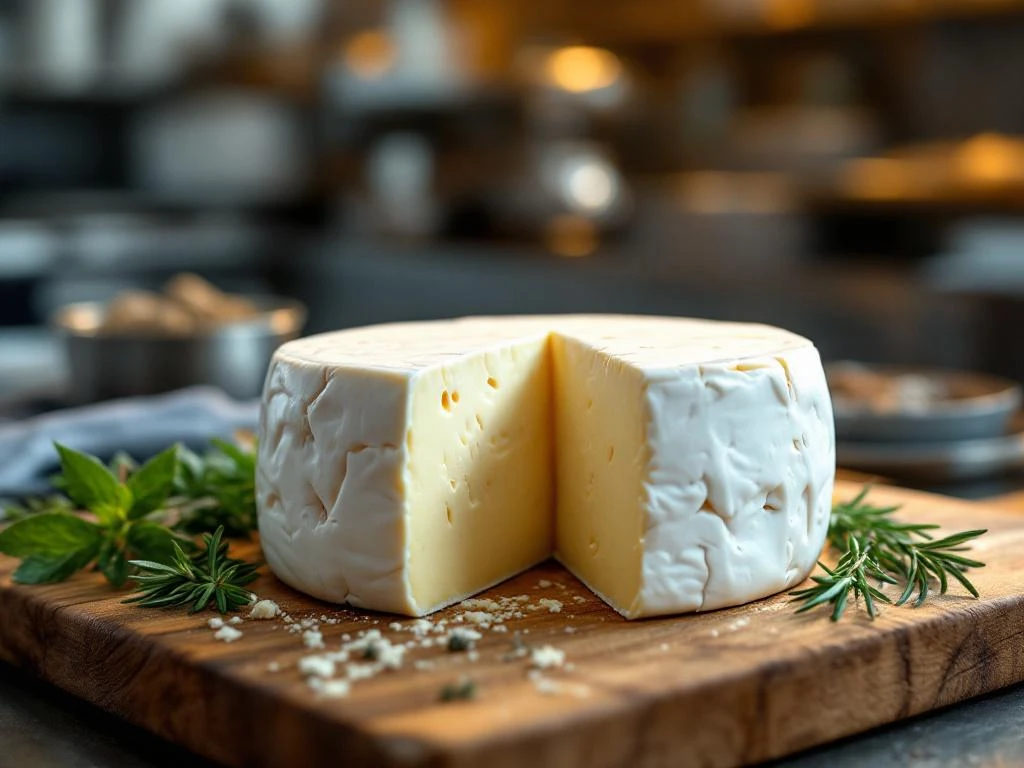
Restaurants increasingly prefer goat cheese over traditional cow’s milk cheeses due to its distinctive flavour profile, superior versatility in menu applications, and enhanced digestibility for customers. This creamy, tangy cheese offers chefs unique culinary possibilities whilst meeting diverse dietary preferences. Its ability to complement both savoury and sweet dishes, combined with a growing consumer demand for artisanal ingredients, makes goat cheese an essential component in modern restaurant kitchens across various cuisines.
What makes goat cheese stand out in restaurant kitchens?
Goat cheese occupies a unique position in professional culinary settings through its exceptional texture, complex flavour profile, and remarkable versatility that distinguishes it from conventional cow’s milk cheeses. Chefs value its ability to elevate dishes with minimal effort whilst providing customers with a sophisticated dining experience.
The texture of goat cheese ranges from creamy and spreadable when fresh to firm and crumbly when aged, offering chefs multiple options for different applications. This textural diversity allows for creative plating techniques and varied mouthfeel experiences within a single menu. Fresh goat cheese melts differently than cow’s milk varieties, creating silky sauces and maintaining its character even when heated.
Professional kitchens appreciate goat cheese’s ability to bridge flavour profiles between mild and intense, making it suitable for both subtle accompaniments and bold centrepieces. Its natural tanginess adds complexity without overwhelming other ingredients, whilst its earthy undertones complement vegetables, fruits, and proteins equally well. This balance makes it particularly valuable for chefs seeking to create harmonious flavour combinations across diverse menu offerings.
The cheese’s compatibility with various cooking methods, from grilling and baking to whipping and crumbling, provides restaurants with ingredient efficiency. One type of goat cheese can serve multiple purposes throughout different menu sections, reducing inventory complexity whilst maintaining quality standards. For establishments focusing on discover premium cheese solutions for industry and wholesale, this versatility translates into operational advantages.
What does goat cheese taste like compared to other cheeses?
Goat cheese presents a distinctive flavour profile characterised by bright tanginess, subtle earthiness, and a clean, fresh finish that sets it apart from cow’s milk cheeses. This unique taste results from the different fatty acid composition in goat’s milk, creating a lighter, more refreshing sensation on the palate.
The initial taste of goat cheese typically features a pleasant tartness, similar to yoghurt but more refined. This tanginess varies in intensity depending on the cheese’s age and production method, ranging from mild and creamy in fresh varieties to sharp and complex in aged versions. Unlike many cow’s milk cheeses that can feel heavy or coating, goat cheese leaves a clean aftertaste that doesn’t linger excessively.
When comparing goat cheese vs regular cheese, the most notable difference lies in the absence of the sometimes cloying richness found in cow’s milk varieties. Goat cheese offers a more nuanced flavour journey, beginning with its characteristic tang, developing into savoury notes, and finishing with subtle hints of herbs or nuts depending on the specific variety. This complexity makes it particularly appealing for sophisticated palates.
The aroma of goat cheese also differs significantly, presenting fresh, grassy notes rather than the sometimes pungent qualities of aged cow’s milk cheeses. This gentler aromatic profile makes it more approachable for diners who might find stronger cheeses overwhelming, whilst still providing enough character to satisfy cheese enthusiasts.
How does goat cheese enhance menu versatility?
Goat cheese’s adaptability across various cuisines and dishes makes it an invaluable ingredient for restaurants seeking to diversify their offerings. From appetisers to desserts, its unique properties allow chefs to incorporate it throughout their entire menu structure.
In appetiser applications, goat cheese excels in both cold and warm preparations. Its spreadable consistency when fresh makes it ideal for canapés, bruschetta, and stuffed vegetables. When warmed, it develops a luxurious creaminess perfect for tarts, gratins, and baked dishes. The cheese’s ability to hold its shape whilst becoming pleasantly soft creates textural interest that enhances the dining experience.
Main course applications showcase goat cheese’s remarkable pairing capabilities with proteins and vegetables. It complements roasted meats, particularly lamb and poultry, whilst adding richness to vegetarian dishes without overwhelming delicate flavours. The cheese melts beautifully into risottos and pasta sauces, creating velvety textures that coat ingredients evenly. Its compatibility with Mediterranean herbs, honey, nuts, and fruits opens endless possibilities for creative combinations.
Perhaps most surprisingly, goat cheese shines in dessert applications. Its natural tanginess balances sweetness effectively, making it suitable for cheesecakes, mousses, and even ice creams. Chefs appreciate how it pairs with chocolate, berries, and stone fruits, offering sophisticated dessert options that aren’t overly sweet. This versatility across all menu sections demonstrates why culinary uses goat cheese continue to expand in professional kitchens.
Why do chefs find goat cheese easier to digest for customers?
Chefs increasingly recognise goat cheese as a digestive-friendly option due to its unique nutritional composition, featuring smaller fat globules and different protein structures compared to cow’s milk cheese. These characteristics make it easier for many diners to process, particularly those with mild sensitivities.
The fat molecules in goat cheese are naturally smaller and more evenly distributed than those in cow’s milk cheese, allowing for more efficient breakdown during digestion. This structural difference means the body requires less effort to process goat cheese, reducing the likelihood of digestive discomfort that some customers experience with traditional dairy products. Additionally, goat cheese contains different types of proteins, including lower levels of alpha-S1 casein, which is often associated with dairy sensitivities.
Regarding lactose content, whilst goat cheese isn’t lactose-free, it typically contains slightly less lactose than cow’s milk cheese, particularly in aged varieties where lactose breaks down during the maturation process. This reduction, combined with the easier-to-digest fat and protein structures, makes goat cheese a preferred choice for customers seeking gentler dairy options without completely eliminating cheese from their diet.
Restaurant professionals value offering menu items that accommodate various dietary needs without compromising flavour or quality. By incorporating goat cheese into their offerings, establishments can cater to health-conscious diners and those with mild dairy sensitivities whilst maintaining the rich, satisfying experience that cheese provides in culinary applications.
What are the key takeaways for restaurant cheese selection?
The advantages of goat cheese in professional kitchens extend beyond its unique flavour to encompass operational benefits, customer satisfaction, and menu innovation potential. Understanding these benefits helps restaurants make informed decisions about their cheese selections.
Flavour complexity remains goat cheese’s primary advantage, offering chefs an ingredient that adds sophistication without requiring extensive preparation. Its ability to enhance both simple and elaborate dishes makes it valuable for establishments ranging from casual bistros to fine dining restaurants. The cheese’s natural affinity for wine pairings also supports beverage programmes, creating opportunities for enhanced dining experiences.
Menu flexibility represents another crucial benefit, as goat cheese works across all dayparts and menu categories. Breakfast services utilise it in omelettes and pastries, lunch menus feature it in salads and sandwiches, whilst dinner offerings showcase it in sophisticated appetisers and entrées. This versatility helps restaurants maximise ingredient usage whilst minimising waste, contributing to improved profitability.
Customer appeal continues to grow as diners seek artisanal, high-quality ingredients with provenance stories. Goat cheese satisfies this demand whilst accommodating various dietary preferences and restrictions. Its perceived health benefits and easier digestibility attract health-conscious consumers, whilst its gourmet associations appeal to food enthusiasts. For chef preferred cheese types, goat cheese consistently ranks highly due to this broad appeal combined with its culinary versatility.
As restaurants continue evolving their offerings to meet changing consumer preferences, goat cheese provides a reliable solution that balances tradition with innovation. Its established place in classical cuisine combined with its adaptability to modern culinary trends ensures its continued prominence in professional kitchens. Whether used as a featured ingredient or subtle enhancement, goat cheese offers restaurants the tools to create memorable dining experiences that satisfy diverse customer expectations.