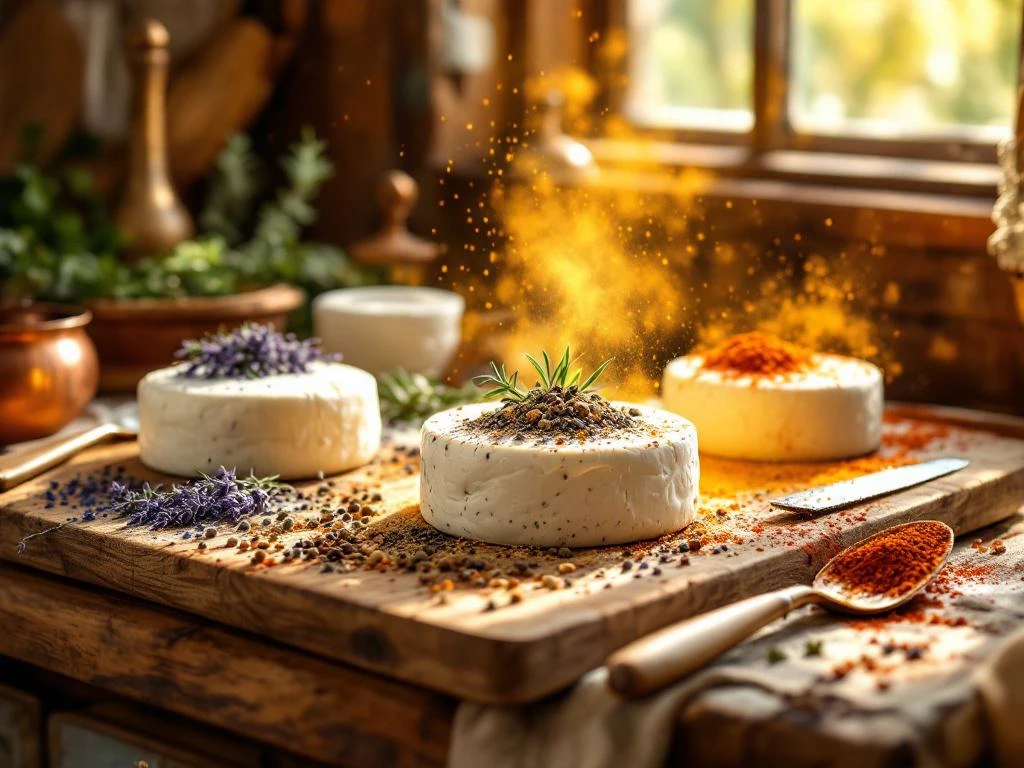
Flavored goat cheese is made by incorporating herbs, spices, fruits, or other ingredients into fresh or aged goat cheese at specific stages during production. The process typically involves adding flavours either by mixing them directly into the fresh curd after draining, coating the surface of formed cheeses, or marinating finished products in flavoured oils or brines. The timing and method of flavour incorporation depend on the desired taste profile, texture, and shelf stability of the final product.
Understanding the basics of flavored goat cheese production
The production of flavored goat cheese represents a sophisticated evolution from traditional plain varieties, combining time-honoured cheesemaking techniques with innovative flavour profiles. Unlike plain goat cheese, which relies solely on the natural tangy characteristics of goat’s milk, flavored varieties incorporate additional ingredients that complement and enhance the base cheese’s inherent qualities.
The fundamental difference lies in the strategic timing of flavour addition during the production process. While plain goat cheese undergoes standard pasteurisation, culturing, coagulation, and draining, flavored varieties require additional steps that must be carefully integrated without compromising the cheese’s texture or stability. This delicate balance has made flavored goat cheese increasingly popular in retail and foodservice markets, where consumers seek unique taste experiences and versatile ingredients.
In modern cheese portfolios, flavored goat cheese serves multiple roles. For retail customers, these products offer ready-to-use options that eliminate preparation time whilst providing consistent quality. Foodservice operators appreciate the ability to offer distinctive menu items without extensive kitchen preparation, whilst industrial processors value the standardised flavour profiles that ensure product consistency across large-scale applications.
What are the main steps in making flavored goat cheese?
The production of flavored goat cheese follows a carefully orchestrated sequence that begins with high-quality goat’s milk collection. Fresh milk undergoes pasteurisation at precisely controlled temperatures to eliminate harmful bacteria whilst preserving the milk’s nutritional properties and flavour potential. This critical first step ensures food safety and creates a stable foundation for subsequent processing.
Following pasteurisation, specific starter cultures are added to the warm milk. These cultures begin the acidification process, developing the characteristic tangy notes associated with goat cheese. The type and combination of cultures used can be adjusted to complement planned flavour additions, creating a harmonious final product. Temperature control during this phase is crucial, as it affects both the rate of acidification and the final texture.
Coagulation occurs when rennet is added to the cultured milk, forming a gel-like curd. The timing and temperature of this step determine the cheese’s eventual texture, from soft and spreadable to firm and sliceable. Once the curd reaches the desired consistency, it undergoes draining to remove excess whey. This is the critical window for incorporating many flavours, as the fresh curd readily absorbs herbs, spices, and other ingredients whilst maintaining structural integrity.
Traditional methods ensure consistent quality by standardising each step of the process. Experienced cheesemakers monitor pH levels, moisture content, and curd firmness throughout production, making adjustments as needed to achieve optimal results. This attention to detail ensures that flavoured varieties maintain the same high standards as plain goat cheese whilst offering enhanced taste profiles.
How are flavors incorporated into goat cheese?
The incorporation of flavours into goat cheese employs several distinct techniques, each suited to different ingredients and desired outcomes. The most common method involves mixing herbs, spices, or other dry ingredients directly into fresh curd immediately after draining. This technique ensures even distribution throughout the cheese and works particularly well with ingredients like garlic, herbs, fenugreek, or forest mushrooms. The moisture content of the fresh curd helps activate and distribute these flavours uniformly.
Surface coating represents another effective flavouring method, particularly for aged or ripened goat cheeses. After the cheese has been formed and has developed a stable rind, flavourings such as herbs, spices, or edible flowers are applied to the exterior. This technique creates an attractive visual presentation whilst allowing the flavours to gradually penetrate the cheese during ageing. Some producers use this method to create seasonal varieties or limited editions with unique flavour profiles.
Marinating methods offer exceptional versatility for creating intensely flavoured products. Formed cheese pieces, whether fresh or aged, are submerged in flavoured oils, brines, or other liquid mediums infused with herbs, spices, or aromatics. This technique works particularly well for creating products like goat cheese pearls in spiced oil, where both the cheese and the marinade contribute to the overall culinary experience. The oil itself becomes a valuable ingredient, suitable for use as a dressing or cooking medium.
The timing of flavour incorporation significantly impacts both taste distribution and shelf stability. Adding flavours too early in the process can interfere with proper curd formation, whilst adding them too late may result in uneven distribution or poor adhesion. Experienced producers understand these critical timing windows and adjust their processes accordingly to achieve optimal results.
What equipment is needed for flavored goat cheese production?
Essential equipment for flavored goat cheese production begins with pasteurisation tanks capable of precise temperature control. These vessels must accommodate various batch sizes whilst maintaining uniform heat distribution, ensuring consistent product quality. Modern pasteurisers often include automated controls that monitor and adjust temperatures throughout the process, reducing the risk of human error and improving efficiency.
Mixing vessels specifically designed for cheese production play a crucial role in flavour incorporation. These units must provide gentle yet thorough mixing action to distribute ingredients evenly without damaging the delicate curd structure. Some facilities use specialised ribbon blenders or paddle mixers that can handle both wet and dry ingredients whilst maintaining the cheese’s desired texture.
Packaging machinery represents a significant investment for flavored goat cheese producers. Equipment must accommodate various package sizes and formats, from small retail portions of 100-150 grams to larger foodservice packs of 800 grams to 1.3 kilograms, and bulk industrial packaging up to 10 kilograms. Flexibility in packaging capabilities allows producers to serve diverse market segments efficiently.
| Production Scale | Essential Equipment | Capacity Considerations |
|---|---|---|
| Small Artisanal | Manual vats, hand mixers, small-scale packaging | 50-200 litres per batch |
| Medium Commercial | Semi-automated systems, mechanical mixers, flexible packaging lines | 500-2,000 litres per batch |
| Large Industrial | Fully automated systems, continuous mixers, high-speed packaging | 5,000+ litres per batch |
Scale considerations significantly impact equipment choices. Smaller producers may rely on more manual processes that offer flexibility for creating unique flavour combinations, whilst larger operations require automated systems that ensure consistency across high-volume production. The choice of equipment directly affects product consistency, labour requirements, and overall efficiency.
How long does the flavoring process take?
The timeline for flavoring goat cheese varies considerably depending on the method employed and the type of cheese being produced. Fresh goat cheese with mixed-in flavours requires the shortest production time, typically completing the entire process from milk to packaged product within 24-48 hours. The actual flavour incorporation step takes mere minutes during the mixing phase, but the flavours continue to develop and meld during the brief holding period before packaging.
Surface-coated cheeses require additional time for flavour development. After initial cheese production and forming, which takes 1-2 days, the coating process adds another few hours. However, these cheeses often benefit from ageing periods ranging from several days to several weeks, during which the surface flavours gradually penetrate the cheese. This extended timeline allows for more complex flavour development but requires appropriate storage facilities.
Marinated goat cheese products follow yet another timeline. The base cheese production follows standard timelines, but the marinating process typically requires a minimum of 48-72 hours for adequate flavour infusion. Some premium marinated products may steep for several weeks, developing increasingly complex flavour profiles over time. The oil or brine used for marinating also matures during this period, becoming a valuable culinary ingredient in its own right.
Commercial viability often dictates timeline choices. Whilst longer ageing and marinating periods can produce superior flavour complexity, they also increase inventory holding costs and delay revenue generation. Successful producers balance these considerations, offering a range of products with varying production timelines to meet different market demands and price points.
Key takeaways for flavored goat cheese production
Success in flavored goat cheese manufacturing hinges on several critical factors that distinguish exceptional products from merely adequate ones. Quality control throughout the production process ensures consistency and food safety, with particular attention to ingredient sourcing, process parameters, and finished product testing. Maintaining IFS certification standards demonstrates commitment to these quality principles and provides assurance to B2B customers across retail, foodservice, and industrial sectors.
Flexibility in product development represents a significant competitive advantage in today’s dynamic market. The ability to create custom flavour profiles, adjust package sizes, and develop private label offerings allows producers to meet specific customer requirements whilst maintaining efficiency. This adaptability proves particularly valuable when serving diverse markets with varying taste preferences and regulatory requirements.
The growing demand for innovative cheese concepts continues to drive market expansion. Consumers seek unique flavour combinations that offer both familiarity and novelty, creating opportunities for producers who can balance tradition with innovation. Whether developing honey-infused varieties for dessert applications or creating savoury herb blends for culinary use, successful producers understand their target markets and develop products that meet specific needs.
For B2B customers seeking reliable partners in flavored goat cheese production, the combination of traditional craftsmanship, modern food safety standards, and flexible production capabilities provides the foundation for successful long-term relationships. As market demands continue to evolve, producers who maintain high quality standards whilst embracing innovation will find abundant opportunities in this growing sector.