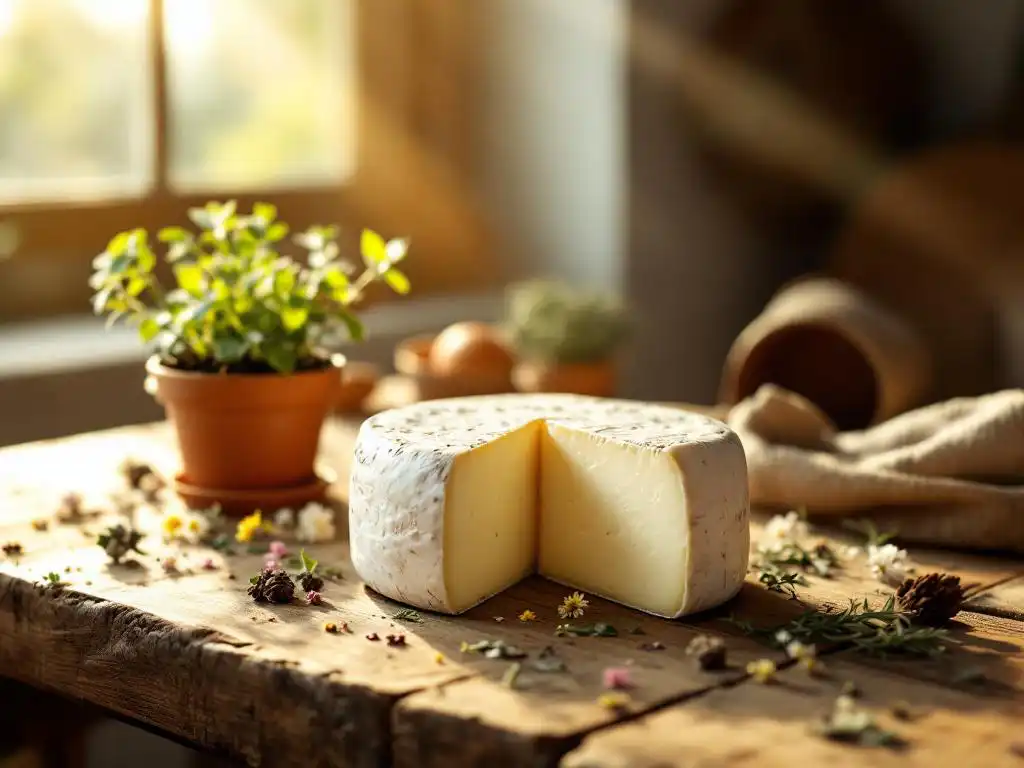
Yes, goat cheese presents a compelling opportunity for brands seeking to enhance their sustainability credentials. Goat cheese production requires significantly fewer resources than traditional cow’s milk dairy, with goats needing less water, feed, and land while producing a smaller carbon footprint per unit of protein. This makes goat cheese an increasingly attractive option for food manufacturers, retailers, and foodservice providers looking to meet corporate sustainability goals and respond to consumer demand for environmentally responsible products.
What makes goat cheese more sustainable than traditional dairy?
Goat cheese production offers several environmental advantages over cow’s milk dairy farming. Goats require approximately 90% less water than cows for milk production, and they need significantly less land – typically one-tenth of the space required for cattle farming. Their efficient digestive systems convert feed to milk more effectively, requiring less grain input per litre of milk produced.
The carbon footprint difference is particularly striking. Goats produce considerably less methane than cattle due to their smaller size and different digestive processes. A single dairy cow generates approximately 100–200 litres of methane daily, while goats produce only 5–10 litres. This represents a substantial reduction in greenhouse gas emissions when scaled across entire farming operations.
Perhaps most importantly, goats thrive on marginal land unsuitable for other agricultural uses. They can graze on steep hillsides, rocky terrain, and areas with sparse vegetation where cattle cannot survive. This ability to utilise otherwise unproductive land without requiring deforestation or habitat conversion makes goat farming inherently more sustainable. Their browsing habits can even help maintain biodiversity by controlling invasive plant species and preventing overgrowth.
How does goat cheese production reduce environmental impact?
The environmental benefits of goat cheese production extend throughout the entire production cycle. Water usage in goat dairy operations is typically 50–70% lower than in comparable cow’s milk dairy facilities, from feed production through to cheese processing. This reduction comes from goats’ lower water consumption, more efficient feed conversion, and smaller volumes needed for facility cleaning and maintenance.
Greenhouse gas emissions from goat farming operations show remarkable improvements compared to traditional dairy. Beyond the reduced methane production, goat farms typically require less mechanisation and fossil fuel use. The smaller scale of most goat dairy operations means lower energy consumption for cooling, processing, and transportation within the farm. Many goat cheese producers operate at artisanal scales that naturally align with low-impact production methods.
Land degradation concerns are minimal with properly managed goat grazing. Unlike cattle, which can compact soil and create erosion through their weight and grazing patterns, goats have a lighter environmental footprint. Their preference for browsing shrubs and weeds over grass helps maintain diverse plant communities. This grazing behaviour supports soil health and helps prevent the monoculture grasslands often associated with intensive cattle operations.
Biodiversity preservation benefits significantly from goat farming practices. Goat pastures typically maintain higher plant diversity than cattle pastures, supporting more insect species, birds, and small mammals. The varied landscape required for goat farming – including hedgerows, woodland edges, and rough grazing areas – creates valuable wildlife habitats that are often eliminated in intensive dairy farming systems.
What role does local goat cheese play in sustainable supply chains?
Local goat cheese production dramatically reduces transportation emissions by shortening the distance between farm and consumer. Regional sourcing can cut transport-related carbon emissions by up to 80% compared to imported dairy products. This proximity also means fresher products reach consumers faster, reducing waste from spoilage during extended supply chains.
Supporting regional agricultural economies through local goat cheese creates multiplier effects for sustainability. Small-scale goat farms often employ more people per unit of production than industrial dairy operations, supporting rural communities and helping prevent agricultural land abandonment. These farms typically purchase feed and supplies locally, further reducing transportation needs and supporting circular economies.
The transparency inherent in local production allows brands to verify sustainable practices directly. Shorter supply chains mean fewer intermediaries and clearer visibility into animal welfare standards, environmental practices, and production methods. This transparency helps brands communicate authentic sustainability stories to increasingly conscious consumers who value knowing their food’s origin and how it was produced.
Quality consistency also improves with local sourcing relationships. Direct partnerships between cheese producers and brands enable better coordination of production schedules, reducing overproduction and waste. The ability to visit farms, understand seasonal variations, and plan accordingly helps optimise the entire supply chain for both quality and sustainability outcomes.
How can brands measure the sustainability impact of switching to goat cheese?
Measuring sustainability improvements requires systematic tracking across multiple metrics. Brands should establish baseline measurements for their current dairy usage, including carbon emissions, water consumption, land-use impact, and packaging waste. Carbon footprint calculators specific to dairy products can quantify the greenhouse gas reductions achieved by switching from cow’s milk to goat cheese.
Water usage metrics provide compelling data for sustainability reporting. Calculate total water consumption by examining:
- Direct water use in cheese production
- Water required for feed crop irrigation
- Processing and cleaning water requirements
- Transportation and cooling needs throughout the supply chain
Packaging reduction opportunities often accompany switches to local goat cheese suppliers. Bulk packaging formats for B2B customers can eliminate significant amounts of consumer packaging waste. Track metrics including packaging weight per kilogram of cheese, recyclability percentages, and the elimination of unnecessary secondary packaging. Many goat cheese producers offer innovative packaging solutions designed for commercial use.
Supply chain assessment tools help quantify broader sustainability impacts. Life Cycle Assessments (LCAs) comparing goat cheese to alternative proteins provide comprehensive environmental impact data. Key performance indicators should include:
- Transport kilometres per unit
- Energy consumption in production
- Waste generation and diversion rates
- Biodiversity impact scores for sourcing regions
Regular reporting of these metrics demonstrates commitment to stakeholders and helps identify continuous improvement opportunities. Many certification schemes now recognise the environmental benefits of goat dairy, providing third-party validation for sustainability claims.
How De Jong Cheese helps brands achieve sustainability goals
We at De Jong Cheese provide comprehensive solutions for B2B partners seeking to enhance their sustainability profiles through premium goat cheese products. Our traditional family business, operating since 1995, combines artisanal quality with modern sustainability practices to help brands meet their environmental commitments.
Our sustainable production advantages include:
- Certified production methods meeting the highest food safety and environmental standards
- Bulk packaging options that significantly reduce packaging waste for industrial customers
- Local sourcing throughout Europe, minimising transportation distances and emissions
- Transparent supply chain practices with full traceability from farm to delivery
- Customisable private-label solutions aligned with your specific sustainability goals
We work closely with foodservice providers, retailers, and food manufacturers to develop goat cheese solutions that support both quality and sustainability objectives. Our flexible approach means we can adapt packaging formats, develop unique products, and provide the documentation needed for your sustainability reporting.
Ready to explore how our goat cheese can help your brand achieve its sustainability goals? Contact our team to discuss your specific requirements and learn more about our comprehensive range of sustainable goat cheese solutions.
Frequently Asked Questions
How can I calculate the exact carbon footprint reduction when switching from cow's milk cheese to goat cheese?
To calculate precise carbon footprint reductions, use dairy-specific LCA calculators that factor in methane emissions, feed efficiency, and land use. Most calculations show a 40-60% reduction in CO2 equivalent emissions when switching to goat cheese, but exact figures depend on your specific supply chain. Consider hiring a sustainability consultant or using tools like the Cool Farm Tool to generate accurate, auditable data for your sustainability reports.
What certifications should I look for when sourcing sustainable goat cheese?
Look for certifications like Animal Welfare Approved, Certified Humane, or regional organic certifications that verify sustainable farming practices. Additionally, seek suppliers with ISO 14001 environmental management certification, B Corp status, or participation in carbon-neutral programmes. These certifications provide third-party validation of sustainability claims and help ensure your supply chain meets both environmental and ethical standards.
How do I handle the price difference between conventional dairy and sustainable goat cheese in my product costing?
While goat cheese typically costs 15-30% more than conventional cow’s milk cheese, position this as an investment in sustainability that resonates with conscious consumers. Calculate the total cost of ownership including reduced packaging waste, lower transportation costs from local sourcing, and potential premium pricing for sustainable products. Many brands successfully offset higher ingredient costs through marketing sustainable attributes and achieving better margins on eco-conscious product lines.
What are the main challenges when transitioning to goat cheese in commercial food production?
The primary challenges include adjusting recipes for goat cheese’s different melting properties and tangy flavour profile, ensuring consistent supply volumes, and managing shorter shelf life compared to some cow’s milk cheeses. Work closely with your supplier to develop custom formulations, establish buffer stock agreements, and optimise delivery schedules. Consider starting with a limited product range to test market acceptance before full-scale implementation.
How can I effectively communicate the sustainability benefits of goat cheese to my customers?
Create clear, data-driven messaging that highlights specific environmental benefits like ‘70% less water usage’ or ‘supports biodiversity through regenerative grazing’. Use storytelling to connect customers with local farms and production methods, incorporate QR codes linking to sustainability information, and consider third-party certifications for credibility. Avoid vague claims and focus on measurable impacts that resonate with your target audience’s values.
What's the best way to start incorporating goat cheese into my existing product range?
Begin with a pilot programme featuring 1-2 products where goat cheese naturally fits, such as salads, pizzas, or cheese boards. Test consumer response while gathering operational insights about handling, storage, and preparation requirements. Partner with a flexible supplier who can provide small initial volumes and technical support. Use this trial phase to refine recipes, train staff, and develop marketing messages before expanding the range based on proven success.