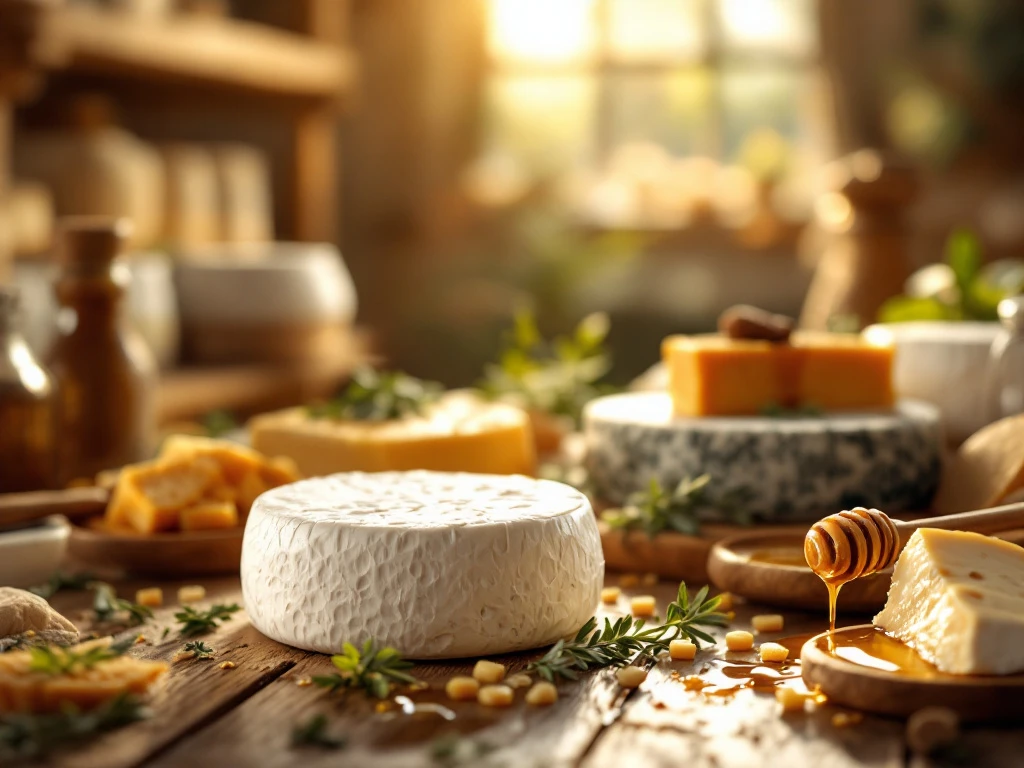
Justifying premium goat cheese pricing to management requires presenting a clear business case that demonstrates value beyond simple cost comparisons. The key is showing how premium goat cheese investments drive profitability through higher margins, market differentiation, and customer loyalty. Management typically responds to concrete data showing ROI, market growth potential, and competitive advantages. By focusing on financial metrics, market trends, and strategic positioning, you can build a compelling argument that positions premium goat cheese as an investment in business growth rather than just an expense.
What makes goat cheese more expensive than regular cheese?
Goat cheese commands higher prices due to fundamental production differences that create genuine cost premiums. Goats produce significantly less milk than cows, yielding only 3-4 litres daily compared to 20-30 litres from dairy cows. This lower yield directly impacts production costs and availability.
The production process itself requires specialised expertise and equipment that many facilities lack. Goat milk has different fat and protein structures than cow milk, requiring adjusted processing techniques and dedicated production lines. We maintain separate facilities to preserve the authentic flavour profiles and prevent cross-contamination, which adds to operational costs.
Quality factors also justify premium pricing. Goat cheese offers distinct nutritional advantages, including easier digestibility and lower lactose content. The artisanal production methods we use, from traditional recipes to careful aging processes, create unique flavour profiles that mass-produced cheeses cannot match. These quality differences allow positioning in premium market segments where customers value authenticity and craftsmanship.
Supply chain limitations further influence pricing. The goat dairy industry operates on a smaller scale globally, with fewer farms and processing facilities. This creates natural supply constraints that affect pricing throughout the distribution chain. Seasonal variations in goat milk production also impact availability and costs more dramatically than in cow dairy operations.
How do you calculate the true ROI of premium goat cheese?
Calculating ROI for premium goat cheese extends beyond simple profit margins to include brand value, customer retention, and market positioning benefits. The basic formula starts with gross margin analysis, but comprehensive ROI calculation must factor in multiple revenue streams and long-term value creation.
Direct financial returns begin with margin analysis comparing premium versus standard products. Premium goat cheese typically generates 40-60% higher margins than commodity cheese products. Calculate this by comparing wholesale prices against production costs, including specialised handling and storage requirements. Factor in volume differences, as premium products often sell in smaller quantities at higher per-unit profits.
Customer lifetime value represents a crucial ROI component often overlooked in basic calculations. Premium goat cheese buyers typically purchase multiple products and demonstrate higher loyalty rates. Track average order values, purchase frequency, and customer retention rates specific to premium cheese segments. These metrics reveal how initial investments in quality create sustained revenue streams.
Brand positioning benefits contribute indirect but measurable returns. Offering premium goat cheese elevates overall brand perception, allowing higher pricing across product ranges. Measure this through customer surveys, willingness-to-pay studies, and competitive positioning analysis. Premium products also open doors to new distribution channels and customer segments previously inaccessible.
Consider operational efficiencies gained through premium focus. Higher-value products justify investments in quality systems, certifications, and process improvements that benefit entire operations. Calculate cost savings from reduced waste, improved inventory turnover, and enhanced supplier relationships that premium positioning enables.
What data points convince management about cheese quality investments?
Management responds most strongly to data demonstrating clear market opportunities and competitive advantages. Start with market growth statistics showing specialty cheese segments growing at 8-12% annually while commodity cheese remains flat. This growth trajectory indicates sustainable demand for quality investments.
Consumer behaviour data provides compelling evidence for premium positioning. Research consistently shows 65-75% of specialty food buyers prioritise quality over price when selecting cheese. Present demographic breakdowns showing premium cheese buyers have higher disposable incomes and purchase frequencies. These customers seek authentic, artisanal products with traceable origins and unique flavour profiles.
Quality certifications deliver measurable sales impact that resonates with data-driven managers. IFS certification, organic standards, and other quality credentials typically increase sales potential by 15-25% while enabling premium pricing. Present certification ROI calculations including implementation costs versus revenue gains and new market access.
Competitive analysis strengthens the investment case by showing market gaps and positioning opportunities. Map competitor offerings, pricing strategies, and market shares to identify underserved segments. Demonstrate how quality investments create differentiation barriers competitors cannot easily replicate. Include distribution channel analysis showing premium product demand from retailers and foodservice operators.
Present quality investments as risk mitigation strategies rather than pure costs. Show how premium positioning reduces dependence on price competition, creates customer loyalty buffers, and builds brand equity that protects against market downturns. Include data on premium segment resilience during economic fluctuations.
Which market trends support premium goat cheese pricing?
Current market dynamics strongly favour premium goat cheese positioning through multiple converging trends. Health-conscious consumers increasingly seek alternatives to cow dairy, with goat cheese benefiting from perceptions of better digestibility and nutritional profiles. This health trend drives consistent demand growth across demographics.
The artisanal food movement continues gaining momentum globally, with consumers valuing traditional production methods and authentic flavours. Younger demographics particularly seek food experiences with stories, origins, and craft credentials. Premium goat cheese fits perfectly within this narrative-driven consumption pattern.
Culinary trends favour goat cheese adoption across menu applications. Restaurant usage has expanded beyond traditional Mediterranean cuisine into mainstream dining, breakfast offerings, and innovative applications. This foodservice growth creates pull-through demand in retail channels as consumers seek to recreate restaurant experiences at home.
Dietary restrictions and preferences create natural demand for goat cheese products. Rising lactose intolerance awareness, along with digestive health concerns, positions goat cheese as a desirable alternative. The protein structure differences make goat cheese more tolerable for many consumers who struggle with cow dairy products.
Premiumisation across food categories reflects broader consumer willingness to pay more for perceived quality and differentiation. This trend appears in everything from coffee to chocolate, creating an environment where premium goat cheese pricing meets established consumer expectations rather than creating price resistance.
How do you present a compelling business case for goat cheese?
Building a compelling business case requires structured presentation combining financial projections with strategic narrative. Start with executive summary highlighting three key points: market opportunity size, competitive advantage potential, and expected financial returns. Lead with the strongest data point that aligns with current business priorities.
Structure your presentation to address management concerns proactively. Begin with market analysis demonstrating demand sustainability and growth potential. Follow with competitive positioning showing how premium goat cheese creates differentiation. Present financial projections using conservative assumptions with clear methodology. Include sensitivity analysis showing various scenario outcomes to demonstrate thorough planning.
Visual data presentation significantly impacts management reception. Use charts showing market growth trends, competitor positioning maps, and ROI timelines. Create simple infographics illustrating customer journey improvements and brand elevation benefits. Avoid overwhelming detail while ensuring data credibility through clear sourcing and methodology notes.
Address common objections within the main presentation rather than waiting for questions. Acknowledge implementation challenges while presenting mitigation strategies. Discuss resource requirements realistically, including timeline expectations and investment staging options. Show how pilot programmes can validate assumptions before full commitment.
Connect cheese investments to broader strategic objectives like market expansion, customer retention, or brand premiumisation. Frame the decision as enabling multiple strategic goals rather than isolated product addition. Close with clear next steps and decision timeline, making it easy for management to move forward with confidence.
Successfully justifying premium goat cheese pricing requires combining solid financial analysis with strategic market understanding. Focus on demonstrating value creation through multiple channels while addressing implementation realities. With proper data presentation and strategic alignment, management can see premium goat cheese as an investment in sustainable business growth rather than simply higher costs.