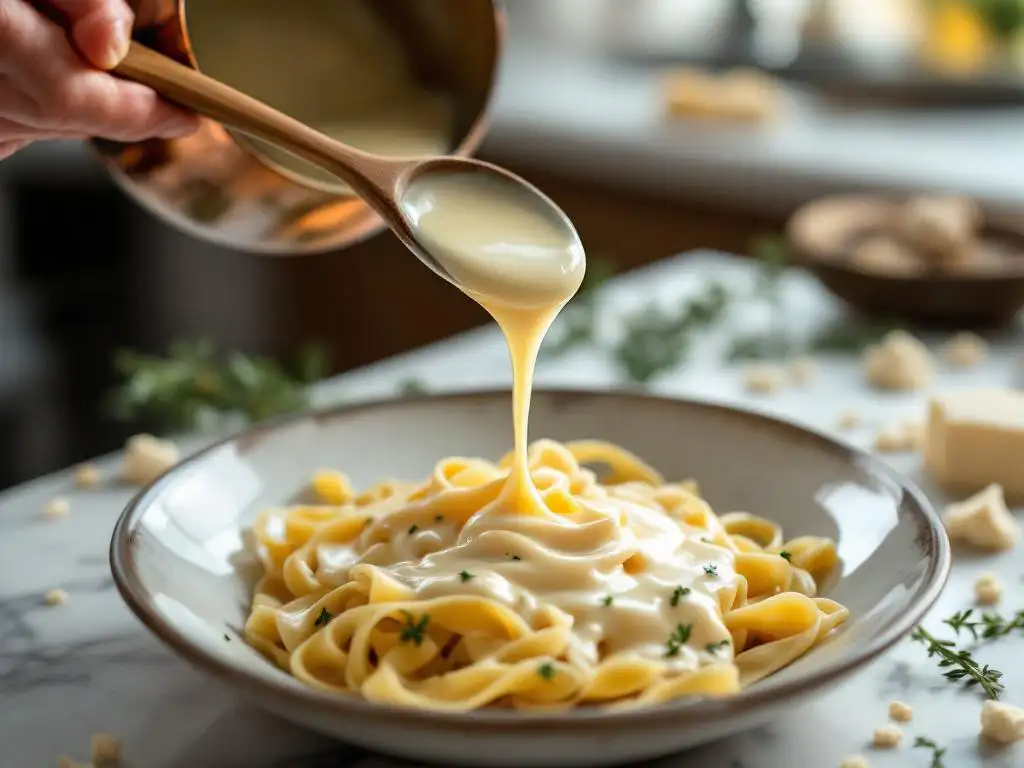
Goat cheese transforms premium sauce bases through its distinctive creamy texture and tangy flavour profile, offering sauce manufacturers a sophisticated alternative to traditional dairy ingredients. Its naturally lower lactose content and superior melting properties create smoother emulsifications in high-end culinary applications. This versatile ingredient provides both industrial producers and foodservice operations with unique opportunities to develop distinctive sauce offerings that stand out in competitive markets.
What makes goat cheese ideal for premium sauce bases?
Goat cheese brings exceptional qualities to premium sauce production through its naturally smooth texture and complex flavour profile. The smaller fat globules in goat milk create a creamier consistency that integrates seamlessly into sauce bases, while its distinctive tangy notes add sophisticated depth without overwhelming other ingredients. Its lower lactose content makes it more digestible for many consumers, expanding market appeal for premium sauce products.
The protein structure of goat cheese provides superior heat stability compared to many other dairy products, maintaining a smooth consistency during cooking and reheating processes. This stability proves particularly valuable in commercial sauce production, where products must withstand various temperature changes during manufacturing, packaging, and distribution. The natural emulsifying properties of goat cheese help create stable sauce bases that resist separation, ensuring consistent quality from production line to consumer plate.
Professional chefs and food manufacturers appreciate goat cheese for its ability to enhance sauce complexity without requiring extensive additional seasoning. Its inherent umami qualities complement both delicate herb-based sauces and robust, wine-enriched preparations. This versatility extends to various sauce applications, from light vinaigrettes to rich cream-based accompaniments, making it an invaluable ingredient for premium product development.
How does goat cheese compare to other cheeses in sauce production?
Goat cheese offers distinct advantages over cow’s milk cheeses in sauce applications, particularly regarding texture and digestibility. While cow’s milk cheeses often require additional emulsifiers to achieve a smooth consistency in sauces, goat cheese naturally creates silky textures due to its unique protein and fat composition. Its flavour profile provides more complexity than mild cow’s milk varieties, yet remains less assertive than aged cheeses that might dominate delicate sauce preparations.
From a nutritional perspective, goat cheese contains smaller protein molecules that many people find easier to digest than cow’s milk products. This characteristic allows sauce manufacturers to market their products to a broader consumer base, including those with mild dairy sensitivities. The calcium and protein content remains comparable to that of cow’s milk cheeses, maintaining nutritional value while offering improved digestibility.
Cost considerations vary depending on regional availability and production scale. While goat cheese typically commands premium pricing compared to basic cow’s milk cheeses, the enhanced flavour concentration often means less product is needed to achieve the desired taste profile. This efficiency can offset initial cost differences, particularly in high-end sauce applications where quality and distinctiveness justify premium pricing. The growing availability of goat cheese in bulk formats for industrial use has also improved cost competitiveness for large-scale sauce manufacturers.
What types of premium sauces work best with goat cheese?
White wine reduction sauces showcase goat cheese beautifully, with the cheese’s natural acidity complementing the wine’s brightness while adding luxurious body. These sauces pair exceptionally well with seafood, poultry, and vegetable dishes, creating elegant accompaniments for fine dining applications. The cheese melts smoothly into the reduction, creating a velvety texture without masking the wine’s delicate flavours.
Herb-infused cream sauces benefit significantly from goat cheese’s compatibility with fresh herbs like thyme, rosemary, and basil. The cheese provides a creamy base that carries herb flavours effectively while contributing its own subtle complexity. Mediterranean-style sauces incorporating sun-dried tomatoes, olives, or roasted peppers find perfect balance with goat cheese, which bridges bold flavours without competing for attention.
Contemporary sauce applications include:
- Truffle-infused goat cheese sauces for pasta and risotto
- Honey-sweetened goat cheese drizzles for roasted vegetables
- Citrus-brightened goat cheese vinaigrettes for sophisticated salads
- Spiced goat cheese bases for fusion cuisine applications
- Reduced balsamic and goat cheese glazes for meat preparations
These innovative combinations demonstrate goat cheese’s adaptability across diverse culinary traditions, from classical French preparations to modern fusion concepts.
How do you incorporate goat cheese into industrial sauce production?
Successful industrial incorporation of goat cheese into sauce production requires careful temperature management throughout the process. Optimal melting occurs between 60–70°C, preventing protein denaturation while ensuring smooth integration. Gradual heating with constant agitation prevents localised overheating that could cause graininess or separation. Industrial producers should implement staged heating protocols that bring goat cheese to temperature slowly while maintaining product integrity.
Emulsification techniques play a crucial role in achieving consistent sauce quality at scale. Pre-blending goat cheese with a small portion of the liquid base creates a smooth slurry that incorporates more easily into larger batches. High-shear mixing equipment helps achieve uniform distribution, though excessive mechanical action should be avoided to prevent breaking down the cheese’s natural structure. pH balance maintenance between 5.5 and 6.5 optimises stability and prevents unwanted textural changes during storage.
Shelf-life optimisation strategies for goat cheese sauces include:
- Implementing controlled-atmosphere packaging to minimise oxidation
- Adding natural stabilisers compatible with clean-label requirements
- Utilising high-pressure processing for extended refrigerated shelf life
- Developing freeze–thaw-stable formulations for frozen applications
- Establishing strict cold-chain management protocols
Scaling recipes from test kitchen to production line requires systematic adjustment of mixing times, temperatures, and equipment settings. Pilot batch testing helps identify potential issues before full-scale production, ensuring consistent quality across different batch sizes.
What are the key considerations when sourcing goat cheese for sauce bases?
Consistency requirements stand as the primary consideration when sourcing goat cheese for commercial sauce production. Suppliers must deliver products with uniform moisture content, fat levels, and flavour profiles to ensure batch-to-batch sauce consistency. Establishing clear specifications for texture, acidity, and melting characteristics helps maintain product standards across production runs. Regular quality-testing protocols verify that incoming cheese meets these predetermined parameters.
Flavour profile specifications require careful attention to seasonal variations in goat cheese characteristics. Spring milk typically produces milder cheese, while autumn milk yields more robust flavours. Sauce manufacturers must either adjust formulations seasonally or work with suppliers who can blend products to maintain consistent flavour profiles year-round. Packaging formats significantly impact production efficiency, with bulk blocks, crumbles, or pre-portioned formats each offering different advantages for various sauce applications.
Storage and handling protocols ensure goat cheese maintains optimal quality before use. Proper refrigeration between 2–4°C prevents premature ageing while maintaining texture integrity. First-in, first-out inventory management prevents quality degradation from extended storage. Certification requirements vary by market, but most commercial applications require supplier adherence to food safety standards, including HACCP, BRC, or similar quality assurance programmes. Establishing reliable supply chains involves vetting multiple suppliers to ensure continuity, particularly for seasonal or speciality goat cheese varieties.
How DeJong Cheese supports premium sauce manufacturers
We understand the unique challenges sauce manufacturers face when incorporating goat cheese into premium products. Our expertise in producing consistent, high-quality goat cheese since 1995 enables us to provide tailored solutions that meet specific industrial sauce production requirements. We offer customised goat cheese formulations designed to achieve optimal melting characteristics, flavour profiles, and stability for various sauce applications.
Our comprehensive support for sauce manufacturers includes:
- Custom bulk packaging options from 1 kg to 10 kg blocks for efficient production line integration
- Technical consultation on recipe development and scaling from test kitchen to industrial production
- Consistent year-round quality through careful milk selection and traditional production methods
- Flexible supply arrangements accommodating seasonal demand fluctuations
- Private-label opportunities for exclusive sauce formulations
- Full food safety certification, including BRC and HACCP compliance
Our family business approach means we work closely with each client to understand their specific sauce production needs. Whether you require mild, fresh goat cheese for delicate cream sauces or aged varieties for robust preparations, we provide the expertise and flexibility to support your premium sauce development. Our extensive product range offers options for every sauce application, from traditional to innovative fusion concepts.
Ready to enhance your premium sauce offerings with our artisanal goat cheese? Contact our team to discuss your specific requirements and request samples for your sauce development projects. For those seeking local distribution options, explore our network of sales points to experience the quality that defines our Alphenaer brand.
Frequently Asked Questions
What's the best way to prevent goat cheese from curdling when making sauces at home?
To prevent curdling, remove your sauce from direct heat before adding goat cheese and ensure the base temperature stays below 70°C. Whisk in small amounts of crumbled cheese gradually rather than adding large chunks at once. Adding a splash of cream or a teaspoon of cornstarch slurry before incorporating the cheese can also help stabilise the sauce and prevent separation.
How long can I store homemade goat cheese sauce, and what's the best reheating method?
Properly stored goat cheese sauce keeps for 3-4 days in an airtight container in the refrigerator. For best results when reheating, use low heat and add a splash of milk or cream while stirring constantly to restore the original consistency. Avoid microwave reheating as it can cause uneven heating and separation—stovetop reheating gives you better control over temperature and texture.
Can I substitute goat cheese for cream cheese or ricotta in existing sauce recipes?
Yes, but you’ll need to adjust quantities and seasonings since goat cheese has a stronger flavour and different moisture content. Use about 75% of the amount called for when replacing cream cheese, and add extra liquid if substituting for ricotta. Reduce any added salt in the recipe as goat cheese tends to be saltier, and taste as you go to balance the tangier flavour profile.
What are the most common mistakes when working with goat cheese in commercial sauce production?
The biggest mistakes include overheating during incorporation, which causes graininess, and adding cheese too quickly without proper emulsification. Many producers also underestimate the importance of pH control—failing to maintain the 5.5-6.5 range can lead to stability issues. Another common error is using goat cheese with inconsistent moisture levels between batches, resulting in unpredictable sauce textures and requiring constant recipe adjustments.
Which herbs and spices pair best with goat cheese in sauce applications?
Fresh herbs like thyme, chives, and tarragon complement goat cheese’s tangy profile without overwhelming it, while rosemary and sage work well in heartier preparations. For spices, black pepper, nutmeg, and mild paprika enhance without masking the cheese flavour. Avoid overly aggressive spices like cayenne or strong curry blends in delicate sauces, though these can work in fusion applications when balanced with cooling elements like honey or cream.
How do I calculate the cost-effectiveness of switching to goat cheese in my sauce line?
Calculate the true cost by considering that goat cheese’s concentrated flavour typically requires 20-30% less product than mild cow’s milk cheeses to achieve the same taste impact. Factor in reduced need for additional seasonings, improved shelf stability, and the ability to command premium pricing for goat cheese-based products. Many manufacturers find that despite higher per-kilogram costs, the overall formula cost remains competitive while allowing for 15-25% higher retail pricing.