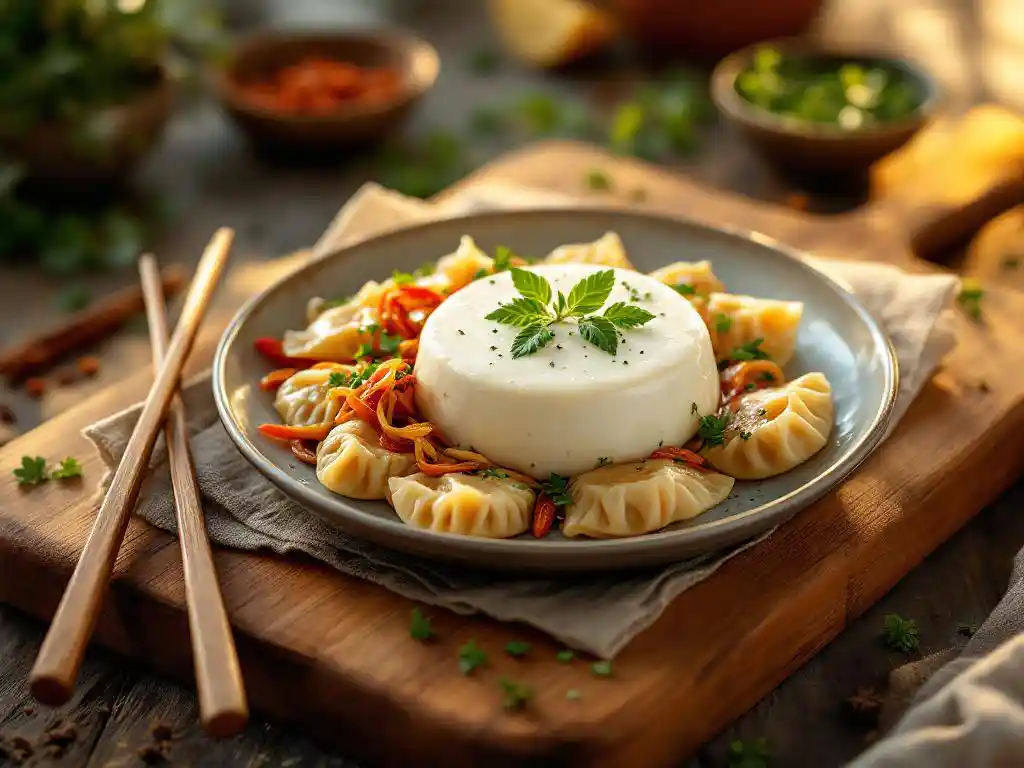
Goat cheese transforms fusion cuisine through its unique ability to bridge culinary traditions. Its creamy texture and tangy flavour profile adapt beautifully across cooking methods, from fresh applications to melted preparations. The mild yet distinctive taste complements both bold spices and subtle herbs, making it an ideal ingredient for creative cross-cultural dishes. This versatility allows chefs to explore innovative combinations while maintaining authentic flavours from multiple cuisines.
What makes goat cheese perfect for fusion cuisine?
Goat cheese possesses several qualities that make it exceptional for fusion cooking. Its creamy texture melts smoothly into sauces, spreads easily for appetisers, and crumbles perfectly over salads and hot dishes. The tangy flavour profile provides a pleasant contrast without overwhelming other ingredients, allowing spices and herbs from various cuisines to shine through.
The versatility of goat cheese extends across temperature ranges and cooking methods. Fresh goat cheese maintains its structure in cold preparations, while aged varieties develop complex flavours suitable for sophisticated fusion concepts. When heated, it creates silky sauces and gratins without becoming stringy or oily like some other cheeses.
The protein structure in goat cheese differs from cow’s milk cheese, resulting in easier digestibility and a lighter mouthfeel. This characteristic allows diners to enjoy rich, creamy dishes without feeling overly full, making it perfect for multi-course fusion menus. The natural acidity in goat cheese also helps balance rich or fatty ingredients common in many global cuisines.
Which global cuisines pair best with goat cheese?
Mediterranean cuisines naturally complement goat cheese through shared flavour profiles and traditional ingredients. Greek, Italian, and Spanish dishes featuring olives, sun-dried tomatoes, fresh herbs, and olive oil create harmonious combinations with goat cheese. The cheese enhances these cuisines’ emphasis on fresh, simple ingredients while adding creamy richness to salads, pizzas, and tapas.
Middle Eastern cuisine offers exciting fusion possibilities with goat cheese. The combination works brilliantly with ingredients like:
- Pomegranate molasses and fresh mint
- Za’atar spice blend and flatbreads
- Roasted vegetables and tahini
- Honey and pistachios for sweet-savoury balance
- Preserved lemons and harissa for bold flavours
Latin American fusion with goat cheese creates vibrant, flavourful dishes. Mexican cuisine’s chilli peppers, corn, and beans pair wonderfully with creamy goat cheese, while South American ingredients like chimichurri, quinoa, and tropical fruits offer fresh fusion opportunities. The cheese tempers spicy heat while adding sophistication to traditional street food concepts.
Asian fusion possibilities might seem unexpected, but goat cheese adapts surprisingly well to Eastern flavours. Japanese-inspired dishes using miso, sesame, and seaweed create umami-rich combinations. Thai cuisine’s balance of sweet, sour, salty, and spicy flavours finds harmony with goat cheese’s tang, particularly in salads and spring rolls.
How do you balance flavours when creating goat cheese fusion dishes?
Balancing flavours in goat cheese fusion requires understanding how its tangy profile interacts with other ingredients. Start by considering the intensity of your goat cheese: fresh varieties offer mild tang, while aged options provide stronger, more complex flavours. Match the cheese intensity to your fusion concept, using milder cheese for delicate Asian preparations and stronger varieties for robust Mediterranean or Latin dishes.
Sweet elements help balance goat cheese’s natural acidity. Consider incorporating:
- Honey, maple syrup, or agave for drizzling
- Caramelised onions or roasted garlic
- Fresh or dried fruits like figs, dates, or apricots
- Balsamic reductions or fruit chutneys
- Sweet vegetables like roasted beetroot or butternut squash
Texture contrasts enhance fusion dishes featuring goat cheese. Combine creamy cheese with crunchy elements like toasted nuts, seeds, or crispy vegetables. Temperature contrasts also create interest: serve warm goat cheese with cool, fresh herbs, or cold goat cheese crumbles over hot grains and roasted vegetables.
Acidity management prevents dishes from becoming too tart. Balance goat cheese with neutral ingredients like grains, potatoes, or mild vegetables. When combining it with other acidic elements like citrus or vinegar, use them sparingly and taste frequently. Fat from olive oil, avocado, or nuts helps mellow sharp flavours while creating a satisfying mouthfeel.
What are the most popular goat cheese fusion combinations?
Mediterranean-Asian fusion creates sophisticated dishes that highlight goat cheese versatility. Goat cheese sushi rolls combine Japanese technique with Mediterranean flavours, featuring roasted red peppers, spinach, and herbs wrapped in nori with creamy goat cheese. Another popular combination pairs goat cheese with miso glaze on roasted aubergine, creating umami-rich vegetarian options.
Latin-European fusion showcases creative comfort food possibilities. Mexican-French quesadillas filled with goat cheese, caramelised onions, and poblano peppers offer a sophisticated twist on traditional recipes. Brazilian-Italian fusion creates unique pizzas topped with goat cheese, hearts of palm, and chimichurri sauce.
Middle Eastern-Western fusion produces elegant appetisers and main courses. Popular combinations include:
- Goat cheese and date phyllo parcels with orange blossom honey
- Flatbreads topped with goat cheese, lamb, and pomegranate
- Beetroot hummus layered with whipped goat cheese
- Stuffed peppers with goat cheese, bulgur, and preserved lemons
- Goat cheese tart with za’atar crust and roasted vegetables
Thai-inspired goat cheese salads combine Southeast Asian flavours with creamy cheese elements. These typically feature mixed greens, mango, fresh herbs, and crispy shallots topped with goat cheese and a lime-chilli dressing. The contrast between cooling cheese and spicy-sour dressing creates memorable flavour experiences that exemplify successful fusion cuisine.
How DeJong Cheese helps with fusion meal development
We at DeJong Cheese support fusion cuisine innovation through our extensive portfolio of fresh and aged goat cheese varieties. Our traditional family recipes, refined since 1995, provide consistent quality that professional chefs rely on for creative menu development. We understand that fusion cuisine demands versatility, which is why we offer customised products that meet specific flavour profiles and texture requirements.
Our support for fusion meal development includes:
- Bulk packaging options for high-volume restaurant operations
- Custom flavour development for unique fusion concepts
- Consistent product quality ensuring reliable menu execution
- Technical support for optimal cheese performance in various applications
- Private label options for restaurants creating signature fusion dishes
We work closely with foodservice professionals to develop goat cheese solutions that enhance fusion menus. Our expertise in traditional cheese-making, combined with our understanding of modern culinary trends, helps create products that bridge cultural cuisines while maintaining authentic quality.
Whether you’re developing Asian-Mediterranean fusion concepts or exploring Latin-European combinations, our team provides guidance on cheese selection and application techniques. Contact us to discuss how our goat cheese varieties can elevate your fusion cuisine offerings. Discover where to find our products at our sales points and start creating innovative fusion dishes that delight your customers.
Frequently Asked Questions
How do I prevent goat cheese from overpowering delicate fusion ingredients?
Start with fresh, mild goat cheese varieties and use them sparingly as accents rather than main components. Whip the cheese with cream or yogurt to lighten its texture and dilute its intensity. For Asian fusion dishes with subtle flavours, try incorporating goat cheese into dressings or sauces rather than using it as a topping, allowing you to control the amount more precisely.
What's the best way to incorporate goat cheese into hot fusion dishes without it becoming grainy?
Remove your dish from direct heat before adding goat cheese, and stir it in gently at temperatures below 80°C. For sauces, blend room-temperature goat cheese with a small amount of the hot liquid first to temper it before incorporating into the full dish. When baking fusion dishes, add goat cheese during the last few minutes of cooking or use it in protected layers between other ingredients.
Which herbs and spices should I avoid combining with goat cheese in fusion cooking?
Avoid overly bitter herbs like raw sage or excessive amounts of rosemary, as they can clash with goat cheese’s tang. Be cautious with very earthy spices like cumin or turmeric in large quantities, as they can create muddy flavours when combined with goat cheese. Instead, focus on bright herbs like cilantro, basil, or mint, and warming spices like paprika or mild chilli powders that complement rather than compete.
How far in advance can I prepare goat cheese fusion dishes for entertaining?
Cold fusion preparations like goat cheese-stuffed dates or marinated cheese balls can be made 2-3 days ahead and stored covered in the refrigerator. Assembled dishes requiring baking should be prepared no more than 24 hours in advance to prevent the cheese from drying out. For optimal flavour and texture, bring refrigerated goat cheese dishes to room temperature 30 minutes before serving.
What are common mistakes when substituting goat cheese for other cheeses in fusion recipes?
The most common mistake is using equal amounts when substituting, as goat cheese has a stronger flavour than many cow’s milk cheeses—use about 75% of the called-for amount. Don’t expect goat cheese to melt and stretch like mozzarella; it softens and becomes creamy instead. Avoid using aged goat cheese in dishes requiring mild flavours, and remember that goat cheese has higher moisture content than hard cheeses, which can affect recipe texture.
How do I create vegan alternatives that mimic goat cheese in fusion dishes?
Blend soaked cashews with lemon juice, apple cider vinegar, and nutritional yeast to create a tangy, creamy base similar to goat cheese. Add probiotics and culture for 24-48 hours to develop more complex flavours. For fusion applications, this cashew base accepts flavours well—try adding miso for umami depth, or herbs and garlic for Mediterranean fusion dishes.
What wine pairings work best with goat cheese fusion dishes?
Crisp white wines like Sauvignon Blanc or Albariño complement goat cheese’s acidity while refreshing the palate between bites of fusion cuisine. For spicier fusion dishes, off-dry Riesling or Gewürztraminer balance both heat and tang. With heartier Mediterranean-Latin fusion dishes featuring aged goat cheese, try light-bodied red wines like Pinot Noir or Beaujolais that won’t overpower the cheese’s nuanced flavours.
Related Articles
- How does COKZ inspection work at a Dutch goat cheese producer?
- How do you compare goat cheese producers on quality, price and delivery reliability?
- How can goat cheese support seasonal product launches?
- What does HACCP compliance mean for goat cheese suppliers?
- What containers are best for storing goat cheese?