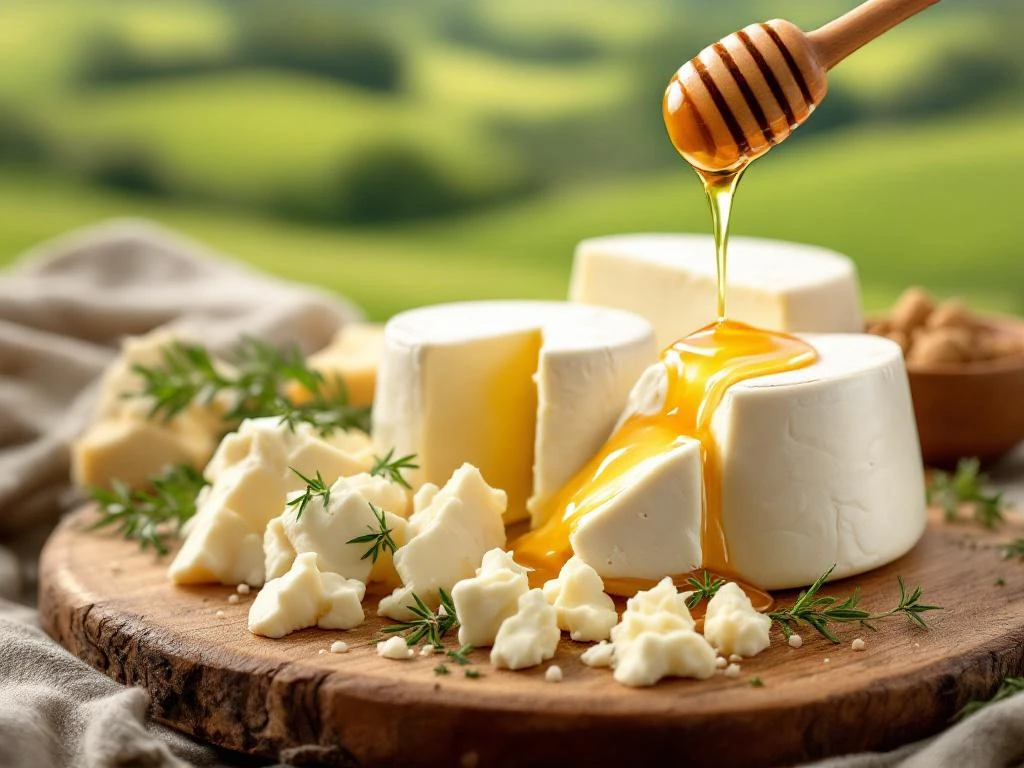
Goat cheese serves as a versatile ingredient across professional kitchens, retail environments, and food manufacturing facilities. Its distinctive tangy flavour, creamy texture, and excellent melting properties make it ideal for both hot and cold applications. From fresh spreadable varieties to aged specialities, goat cheese offers unique nutritional benefits including easier digestibility and lower lactose content, whilst providing chefs and food manufacturers with endless possibilities for menu innovation and product development.
Understanding the versatility of goat cheese in modern cuisine
The culinary world has embraced goat cheese for its remarkable adaptability and distinctive characteristics. This traditional cheese variety has evolved from a niche product to a mainstream ingredient in professional kitchens worldwide. Its unique taste profile ranges from mild and creamy in fresh varieties to complex and robust in aged versions, offering food professionals multiple options for different applications.
Modern goat cheese production encompasses various textures and formats, from smooth spreadable varieties containing as little as 16% fat to firm, crumbly options perfect for garnishing. The cheese’s natural tanginess pairs exceptionally well with both sweet and savoury ingredients, making it a favourite amongst innovative chefs and product developers. Its growing popularity in retail environments reflects consumer demand for premium, artisanal products that deliver both flavour and nutritional value.
What culinary applications is goat cheese best suited for?
Goat cheese excels in numerous culinary applications, making it an essential ingredient for foodservice operations and retail offerings. Fresh goat cheese varieties work brilliantly in salads, where their creamy texture and tangy flavour complement crisp vegetables and vinaigrettes. The cheese performs exceptionally well when crumbled over pizzas, melting beautifully whilst maintaining its distinctive taste.
In professional kitchens, goat cheese transforms ordinary dishes into premium offerings:
- Pasta dishes benefit from stirred-in fresh goat cheese, creating luxurious cream sauces
- Appetisers featuring goat cheese pearls marinated in spiced oils offer visual appeal and flavour complexity
- Sandwich applications utilise spreadable varieties for enhanced taste and texture
- Soups incorporate goat cheese as a finishing element or cream replacement
- Desserts pair sweet honey-infused varieties with fruits and pastries
The versatility extends to different formats suited for specific uses. Crumbled varieties simplify portion control and provide attractive presentation, whilst spreadable options offer convenience for high-volume sandwich operations. Ripened goat cheese rolls and brie-style varieties add sophistication to cheese boards and gourmet applications.
Why do chefs and food manufacturers choose goat cheese over other cheeses?
Professional kitchens and food manufacturers select goat cheese for its unique selling points that differentiate products in competitive markets. The cheese’s distinctive tangy flavour profile cannot be replicated with cow’s milk cheeses, providing an instant premium positioning for menu items and retail products.
The technical advantages make goat cheese particularly attractive for B2B customers. Its creamy texture remains stable across temperature variations, performing reliably in both hot and cold applications. This versatility allows manufacturers to use a single ingredient across multiple product lines, from fresh salads to heated ready meals. The cheese’s natural white colour provides visual contrast in dishes, whilst its flavour intensity means smaller portions deliver significant taste impact, improving cost efficiency.
Innovation potential drives many purchasing decisions. Goat cheese readily accepts flavour additions like herbs, spices, truffle, or forest mushrooms, enabling customised products for specific market segments. Private label opportunities abound, as manufacturers can create unique flavour profiles whilst maintaining the premium appeal of goat cheese. Learn more about industrial processing options and customisation possibilities for your specific requirements.
What are the nutritional advantages of incorporating goat cheese?
Goat cheese offers compelling nutritional benefits that resonate with health-conscious consumers and support premium product positioning. The cheese’s protein structure differs from cow’s milk cheese, resulting in easier digestibility for many consumers. This characteristic makes goat cheese an attractive option for foodservice operations catering to diverse dietary needs.
The naturally lower lactose content in goat cheese expands market opportunities for retailers and restaurants. Many lactose-sensitive individuals tolerate goat cheese better than traditional dairy products, broadening the potential customer base. Additionally, the smaller fat globules in goat’s milk create a naturally homogenised product that the body processes more efficiently.
For product developers, these nutritional advantages translate into strong marketing messages. The availability of reduced-fat options, such as fresh varieties with only 16% fat content, allows positioning in the health-conscious segment without sacrificing the creamy texture and rich flavour consumers expect. This combination of nutritional benefits and maintained taste quality provides a competitive edge in both retail and foodservice markets.
How does goat cheese perform in different food processing applications?
Technical performance in industrial applications makes goat cheese a reliable choice for food manufacturers. The cheese exhibits excellent melting properties, maintaining texture integrity without becoming stringy or separating under heat. This stability proves crucial for ready meal production, where products undergo multiple temperature changes during processing, packaging, and reheating.
Packaging flexibility accommodates various business needs across the supply chain:
| Market Segment | Typical Pack Sizes | Key Applications |
|---|---|---|
| Retail | 100g-150g portions | Consumer-ready packaging, portion control |
| Foodservice | 450g-1.3kg units | Kitchen efficiency, recipe standardisation |
| Industry | 2.6kg-10kg bulk | Large-scale production, cost optimisation |
Shelf life considerations favour goat cheese in commercial applications. Fresh varieties maintain quality under proper refrigeration, whilst aged options offer extended stability. The cheese’s natural acidity provides some antimicrobial properties, supporting food safety protocols. Manufacturers appreciate the consistency in product quality, enabling reliable production planning and inventory management.
Key takeaways for B2B buyers considering goat cheese products
Goat cheese presents compelling advantages for food industry professionals seeking versatile, high-quality ingredients. Its adaptability across hot and cold applications, combined with distinctive flavour profiles, enables product differentiation in competitive markets. The range from fresh to aged varieties provides options for every culinary need, whilst various formats support operational efficiency.
Quality considerations remain paramount when selecting suppliers. Look for producers with established food safety certifications and consistent product standards. The ability to offer both branded and private label options provides flexibility for different market strategies. Innovation potential through flavour customisation and format variations allows businesses to respond quickly to market trends.
The combination of nutritional benefits, technical performance, and consumer appeal positions goat cheese as a strategic ingredient choice. Whether enhancing existing product lines or developing new offerings, goat cheese delivers the versatility and quality that modern food businesses require. Consider how incorporating goat cheese into your range could elevate your products and meet evolving consumer preferences for premium, artisanal ingredients with authentic taste profiles.