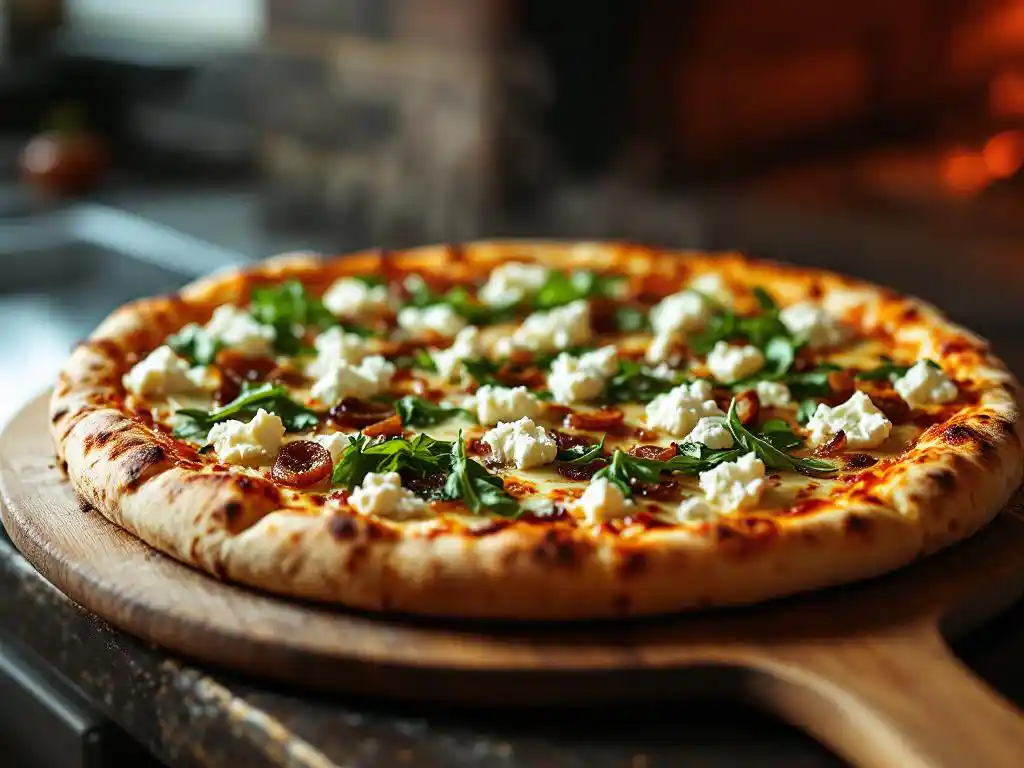
Goat cheese brings unique qualities to artisan pizza production that set it apart from traditional cheese options. Its distinctive tangy flavour profile, creamy texture, and superior melting characteristics make it an increasingly popular choice for pizzerias seeking to differentiate their menu offerings. The lower lactose content and easier digestibility appeal to health-conscious consumers, while the artisanal nature of goat cheese aligns perfectly with premium pizza positioning. Understanding how to work with goat cheese effectively can help pizza makers create memorable dishes that command higher prices and build customer loyalty.
What makes goat cheese different from traditional pizza cheeses?
Goat cheese differs from traditional pizza cheeses primarily in its protein structure, which contains smaller fat globules and different casein proteins than cow’s milk cheese. This unique composition results in a creamier texture, tangier flavour, and different melting behaviour compared to mozzarella or cheddar. The moisture content in fresh goat cheese typically ranges higher than that of aged cow’s milk cheeses, creating a luxurious mouthfeel on pizzas.
The protein structure of goat cheese makes it easier to digest for many people who struggle with cow’s milk products. The A2 casein proteins in goat’s milk are gentler on the digestive system, while the naturally lower lactose content appeals to those with mild lactose sensitivities. These nutritional advantages allow pizzerias to cater to a broader customer base without compromising on flavour or quality.
Fat content in goat cheese varies depending on the variety, but the smaller fat molecules create a smoother, more spreadable consistency. This characteristic makes goat cheese particularly suitable for artisan pizzas where even distribution and visual appeal matter. The fat does not separate as readily during baking, maintaining an attractive appearance throughout the cooking process.
The flavour development in goat cheese adds complexity to pizza profiles that traditional cheeses cannot match. Its natural acidity brightens heavy toppings and cuts through rich ingredients, creating more balanced flavour combinations. This tanginess intensifies slightly during baking, developing subtle caramelised notes that enhance the overall taste experience.
How does goat cheese perform during high-temperature pizza baking?
Goat cheese performs differently from traditional pizza cheeses in high-temperature ovens, melting at lower temperatures while maintaining its structure better than many expect. Fresh goat cheese begins softening at around 140°F (60°C) and achieves optimal melt between 350–450°F (175–230°C), making it suitable for both traditional and wood-fired pizza ovens. The key is understanding its unique melting pattern to achieve the desired texture without overcooking.
The melting characteristics of goat cheese create a creamy pool rather than stretchy strings, which works beautifully for dolloped applications or when mixed with other cheeses. During baking, goat cheese develops an appealing golden-brown surface while maintaining a creamy interior. This browning occurs more quickly than with mozzarella, requiring careful monitoring in high-temperature ovens.
Moisture retention in goat cheese helps prevent the common pizza problem of dried-out toppings. The cheese releases moisture gradually during baking, keeping surrounding ingredients hydrated and flavourful. This quality makes it particularly effective when paired with vegetables that tend to dry out, such as spinach or mushrooms.
To prevent burning, position goat cheese strategically on pizzas. Adding it midway through the baking process or placing it under other toppings protects it from direct heat. For wood-fired ovens operating above 700°F (370°C), consider using aged goat cheese varieties that withstand higher temperatures better than fresh versions.
Which goat cheese varieties work best for different pizza styles?
Fresh chèvre works exceptionally well for Neapolitan-style pizzas, where its creamy texture complements the light, airy crust and minimal toppings. The mild, tangy flavour does not overpower delicate ingredients like fresh basil or prosciutto. Semi-aged goat cheese varieties offer more structure for New York-style pizzas, providing better coverage and a more pronounced flavour that stands up to heartier toppings.
For gourmet flatbreads and thin-crust pizzas, aged goat cheese varieties deliver complex flavours and firmer textures. These cheeses, aged for several months, develop nutty undertones and crystalline textures that add sophistication to upscale pizza offerings. They melt more slowly and maintain distinct pieces on the pizza surface, creating textural interest.
Goat cheese blends combine the best qualities of different varieties, offering versatility for various pizza applications. Mixing fresh chèvre with aged varieties creates a balance of creaminess and structure, while combining goat cheese with mozzarella provides familiar stretch with added tang. These blends work particularly well for pizzas requiring both visual appeal and complex flavour profiles.
The texture considerations for each variety directly impact pizza performance. Crumbled aged goat cheese distributes evenly and provides consistent coverage, while fresh chèvre works best when dolloped or spread. Understanding these differences helps pizza makers select the right variety for their specific style and desired outcome.
What flavour combinations complement goat cheese on artisan pizzas?
Goat cheese pairs exceptionally well with caramelised onions, roasted red peppers, and sun-dried tomatoes, as these sweet and savoury elements balance its tanginess. Fresh herbs like thyme, rosemary, and basil enhance the cheese’s natural flavours while adding aromatic complexity. For protein pairings, prosciutto, pancetta, and grilled chicken create satisfying combinations that appeal to diverse palates.
Seasonal menu development benefits from goat cheese’s versatility across different ingredient profiles. Spring pizzas featuring asparagus, peas, and fresh herbs showcase the cheese’s ability to complement delicate vegetables. Summer combinations with figs, peaches, or roasted beetroot create Instagram-worthy pizzas that drive social media engagement. Autumn brings opportunities for butternut squash, caramelised apples, and toasted walnuts, while winter calls for heartier pairings with roasted mushrooms and truffle oil.
Balancing acidity and richness requires thoughtful ingredient selection. Honey drizzles, balsamic reductions, and fruit preserves add sweetness that tempers goat cheese’s tang. Nuts provide textural contrast and earthy flavours that ground the cheese’s brightness. Creating these balanced profiles helps develop signature pizzas that customers specifically seek out.
The sauce selection significantly impacts goat cheese pizza success. White sauces, pesto, and olive oil bases allow the cheese flavour to shine, while light tomato sauces provide acidic contrast without overwhelming it. Avoiding heavy, sweet sauces preserves the delicate balance that makes goat cheese pizzas memorable.
How can pizzerias market goat cheese pizzas to increase sales?
Marketing goat cheese pizzas effectively starts with compelling menu descriptions that highlight their artisanal nature and unique flavour profiles. Using terms like “creamy local goat cheese,” “tangy chèvre,” or “aged farmhouse goat cheese” creates perceived value and justifies premium pricing. Emphasising the digestibility benefits and lighter feel appeals to health-conscious diners who are willing to pay more for quality ingredients.
Positioning goat cheese pizzas as premium menu items requires strategic pricing that reflects their artisanal status while remaining accessible. Typically, these pizzas command prices 15–25% higher than standard offerings. Creating a dedicated “Artisan Pizza” section on menus draws attention to these special items and sets customer expectations for a premium experience.
Customer education plays a crucial role in overcoming potential hesitation about goat cheese. Offering small samples, featuring goat cheese pizzas as daily specials with server recommendations, or creating tasting flights helps introduce customers to these options. Training staff to describe flavour profiles and suggest wine pairings enhances the premium positioning.
Leveraging food trends and social media visibility drives goat cheese pizza sales. The photogenic nature of these pizzas, especially those featuring colourful vegetables and artistic cheese placement, generates organic social media content. Partnering with local goat cheese producers creates storytelling opportunities that resonate with customers who value local, sustainable food choices.
How De Jong Cheese helps with artisan pizza production
We understand the unique challenges pizza manufacturers and restaurants face when incorporating goat cheese into their menus. Our specialised goat cheese solutions address these needs through consistent quality, reliable supply, and technical expertise developed over decades of artisanal cheese production.
Our comprehensive support for pizza producers includes:
- Bulk packaging options designed for efficient kitchen operations, available in various sizes from 1kg to 10kg containers
- Consistent quality standards ensuring uniform melting and flavour profiles across every batch
- Custom product development capabilities to create unique cheese blends tailored to specific pizza applications
- Technical support from our cheese experts to optimise baking temperatures and techniques
- Flexible ordering systems accommodating seasonal menu changes and volume fluctuations
- Private-label opportunities for pizzerias seeking exclusive products
We work closely with pizza professionals to develop goat cheese varieties that perform optimally in commercial ovens while delivering the flavour profiles your customers expect. Our traditional craftsmanship, combined with modern food safety certifications, provides the reliability B2B partners require.
Ready to elevate your pizza menu with premium goat cheese? Contact our team to discuss your specific needs and request samples. Discover how our foodservice products can help differentiate your pizza offerings. For those interested in sourcing locally, explore our sales points to find the nearest distribution partner.
Frequently Asked Questions
How do I prevent goat cheese from burning in my wood-fired oven?
To prevent burning in high-temperature ovens, add goat cheese during the last 2-3 minutes of baking, place it strategically under other toppings like arugula or prosciutto, or use aged goat cheese varieties that withstand heat better. You can also mix fresh goat cheese with ricotta or mozzarella to create a more heat-stable blend that maintains the tangy flavour while reducing the risk of burning.
What's the best way to store bulk goat cheese for pizza production?
Store unopened goat cheese in refrigeration at 2-4°C (35-39°F) and use within the manufacturer’s recommended timeframe. Once opened, transfer to airtight containers, press plastic wrap directly onto the cheese surface to prevent air exposure, and use within 5-7 days. For longer storage, portion fresh goat cheese into daily-use amounts and freeze for up to 2 months, though texture may become slightly crumblier after thawing.
Can I mix goat cheese with mozzarella for a more traditional pizza texture?
Yes, blending goat cheese with mozzarella creates an excellent hybrid that combines mozzarella’s stretch with goat cheese’s tang. Use a ratio of 70% mozzarella to 30% goat cheese for optimal results, mixing them thoroughly before application. This blend works particularly well for customers who want to try goat cheese but prefer familiar textures, and it helps manage food costs while maintaining premium positioning.
How much goat cheese should I use per pizza compared to regular cheese?
Use approximately 20-30% less goat cheese than you would mozzarella, as its stronger flavour and richer texture mean a little goes further. For a 12-inch pizza, 60-80 grams of goat cheese provides good coverage without overwhelming other toppings. When dolloping fresh chèvre, use 5-6 small portions (about 10-12 grams each) evenly distributed across the pizza surface for optimal flavour distribution and visual appeal.
What are common mistakes when first working with goat cheese on pizzas?
Common mistakes include applying goat cheese too early in the baking process, using cold cheese straight from refrigeration (let it reach room temperature first), and overloading pizzas with too much cheese. Additionally, pairing goat cheese with overly acidic tomato sauces can create an unpleasantly sharp flavour profile. Start with white sauce or olive oil bases until you understand how goat cheese interacts with your other ingredients.
How can I calculate the right pricing for goat cheese pizzas?
Calculate your base cost including the premium for goat cheese (typically 2-3 times the cost of mozzarella), then apply a 25-30% food cost target for artisan items. Factor in the perceived value by positioning these pizzas 15-25% above your standard offerings. Monitor sales velocity and customer feedback to fine-tune pricing, and consider offering a ‘goat cheese upgrade’ option for €2-3 on existing pizzas to test price sensitivity.
Related Articles
- How do you create an emergency plan for cheese supply during supply chain disruptions?
- How do you organize a trial delivery of goat cheese crumbles from a new producer?
- How can goat cheese be used in filled pasta products such as ravioli or tortellini?
- What vegetables pair well with goat cheese?
- What are the most popular goat cheese brands?