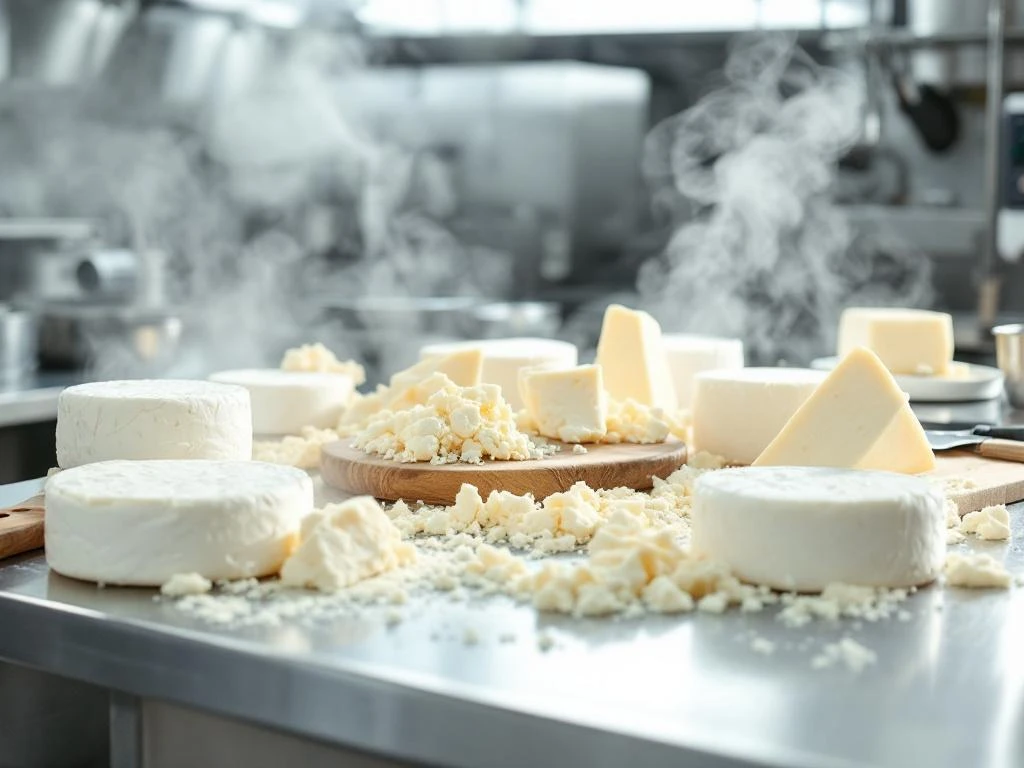
Yes, raw goat cheese can be safely used in high-volume food preparation when proper handling protocols and food safety standards are followed. The unique properties of goat cheese, including its natural acidity levels and moisture content, make it suitable for commercial kitchen applications. However, success depends on understanding specific storage requirements, implementing strict temperature controls, and ensuring staff are properly trained in safe cheese handling procedures.
What makes raw goat cheese suitable for commercial food preparation?
Raw goat cheese possesses several inherent properties that make it particularly well-suited for commercial food preparation. The natural acidity levels in goat cheese, typically ranging between pH 4.5 to 5.5, create an environment less hospitable to harmful bacteria growth. This acidic profile, combined with the cheese’s moisture content and protein structure, provides a natural defence against pathogenic microorganisms.
The pasteurisation standards for goat milk used in cheese production ensure initial microbial safety. Most commercial goat cheese undergoes high-temperature short-time (HTST) pasteurisation, which eliminates potential pathogens while preserving the milk’s nutritional qualities and flavour profile. This process creates a safer starting point for cheese production compared to truly raw milk products.
In high-volume operations, the versatility of goat cheese formats enhances its suitability. Fresh varieties like spreadable goat cheese contain approximately 16% fat content, making them easier to portion and control in busy kitchens. The availability of pre-portioned formats such as crumbles, pucks, and pearls allows for consistent serving sizes and reduces handling time, crucial factors in maintaining food safety during peak service periods.
How should raw goat cheese be handled in high-volume kitchens?
Proper handling of raw goat cheese in commercial kitchens requires strict adherence to temperature controls and hygiene protocols. Fresh goat cheese must be stored at temperatures between 1°C and 4°C, with dedicated refrigeration units calibrated to maintain consistent cooling. Temperature logs should be recorded every four hours during service periods to ensure compliance with food safety standards.
Cross-contamination prevention demands specific procedures for goat cheese handling:
- Designated cutting boards and utensils exclusively for cheese products
- Colour-coded equipment to prevent mix-ups with raw meat or allergen-containing items
- Separate storage areas within refrigeration units, positioned above raw proteins
- Hand washing stations equipped with antimicrobial soap near cheese preparation areas
Staff training requirements encompass both theoretical knowledge and practical skills. Kitchen teams need comprehensive education on time-temperature controls, understanding that goat cheese should not remain in the temperature danger zone (5°C to 60°C) for more than two cumulative hours. Training programmes should include proper glove usage, sanitisation procedures between tasks, and recognition of quality indicators that signal when cheese should be discarded.
Which food safety regulations apply to raw goat cheese in commercial use?
Commercial establishments using raw goat cheese must comply with comprehensive food safety regulations that vary by jurisdiction but share common principles. HACCP (Hazard Analysis and Critical Control Points) principles form the foundation of cheese handling protocols, requiring documented procedures for receiving, storing, preparing, and serving goat cheese products.
Key regulatory requirements include:
- Supplier verification programmes ensuring cheese sources meet food safety standards
- Documentation of cheese origin, including production dates and batch numbers
- Implementation of allergen management protocols, as dairy is a major allergen
- Regular microbiological testing schedules for high-risk products
Local health department requirements typically mandate specific storage temperatures, labelling protocols, and shelf-life management systems. Many jurisdictions require date marking systems where prepared items containing goat cheese must be labelled with preparation and use-by dates. Understanding industry-specific cheese handling guidelines helps ensure compliance with both regulatory requirements and best practices for maintaining product quality.
What are the shelf life considerations for raw goat cheese in food service?
Shelf life management for raw goat cheese in commercial settings requires careful attention to storage conditions and quality indicators. Fresh goat cheese typically maintains optimal quality for 14-21 days from production when stored unopened at proper refrigeration temperatures. Once opened, the usable timeframe reduces to 5-7 days, necessitating efficient rotation practices.
Quality indicators for goat cheese include:
- Texture changes: excessive moisture, drying, or graininess
- Colour variations: yellowing or development of unusual spots
- Aroma alterations: sour or ammonia-like odours indicating spoilage
- Visible mould growth beyond intended surface cultures
Packaging requirements play a crucial role in maintaining cheese longevity. Vacuum-sealed portions, modified atmosphere packaging, and proper wrapping techniques help prevent moisture loss and contamination. Environmental factors such as temperature fluctuations, exposure to light, and proximity to strong-smelling foods can accelerate quality degradation, making proper storage location selection essential for maximising shelf life.
Why do professional chefs prefer raw goat cheese for certain applications?
Professional chefs value raw goat cheese for its distinctive flavour profile and versatile texture properties that enhance various menu applications. The tangy, slightly acidic taste provides a sophisticated counterpoint to sweet and savoury ingredients, while the creamy texture melts beautifully without becoming greasy or separating under heat.
Culinary advantages of raw goat cheese include its ability to maintain structural integrity in both hot and cold preparations. In salads, crumbled varieties add visual appeal and flavour complexity without overwhelming delicate greens. For hot applications, goat cheese develops a golden crust when grilled or baked while maintaining a creamy interior, making it ideal for gratins, tarts, and stuffed proteins.
Specific applications where raw goat cheese excels in commercial kitchens include:
- Whipped into mousses and spreads for canapés and appetisers
- Incorporated into pasta fillings and sauces for enhanced creaminess
- Featured in composed salads as a protein-rich vegetarian option
- Used in dessert preparations, particularly with honey or fruit compotes
Essential takeaways for using raw goat cheese in commercial food prep
Successfully incorporating raw goat cheese into high-volume food service operations requires a comprehensive approach to food safety, quality management, and culinary application. The key to success lies in establishing robust systems that address temperature control, staff training, and regulatory compliance while maximising the cheese’s culinary potential.
Critical best practices include maintaining strict cold chain management from delivery through service, implementing FIFO (first in, first out) rotation systems, and conducting regular quality assessments. Documentation plays a vital role, with temperature logs, supplier certifications, and batch tracking forming essential components of a compliant operation.
Professional kitchens that excel with goat cheese understand the importance of selecting appropriate formats for specific applications. Pre-portioned options reduce handling time and contamination risks, while bulk formats offer flexibility for creative preparations. By combining proper safety protocols with culinary expertise, commercial operations can confidently feature raw goat cheese across diverse menu offerings, satisfying both regulatory requirements and customer expectations for quality and flavour.