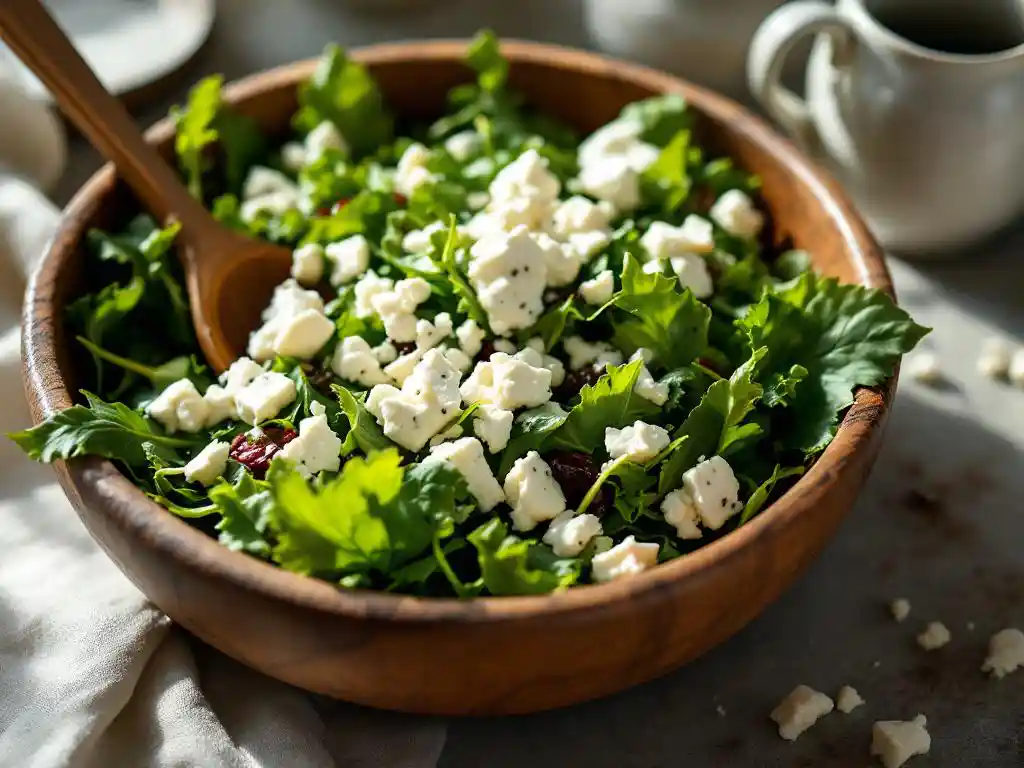
Goat cheese brings exceptional qualities to ready-to-eat salads through its unique texture, flavour profile, and stability characteristics. Its naturally creamy consistency and mild tang complement fresh vegetables while maintaining quality throughout shelf life. The cheese’s lower lactose content and distinctive nutritional profile make it particularly suitable for pre-packaged salad applications where freshness and food safety are paramount.
What unique properties make goat cheese perfect for ready-to-eat salads?
Goat cheese possesses a naturally soft, spreadable texture that distributes evenly throughout salads without overwhelming other ingredients. Its moisture content sits perfectly between too dry and too wet, preventing salad leaves from wilting while maintaining the cheese’s creamy consistency. The tangy, slightly acidic flavour profile enhances vegetable tastes rather than masking them.
The crumbling properties of goat cheese create ideal portion control in pre-packaged salads. Unlike harder cheeses that can become rubbery or soft cheeses that may separate, goat cheese maintains its structural integrity even after several days of refrigeration. This stability comes from the smaller fat globules in goat’s milk, which create a more homogeneous texture that resists breaking down when mixed with dressings or exposed to temperature variations during transport.
The cheese’s natural coating ability allows it to adhere gently to salad ingredients without creating heavy clumps. This characteristic ensures even distribution throughout the salad, providing consistent flavour in every bite. Additionally, goat cheese’s lower melting point compared to cow’s milk cheese means it remains pleasantly soft at serving temperature while holding its shape during cold storage.
How does goat cheese enhance food safety in pre-packaged salads?
Goat cheese naturally contains higher levels of medium-chain fatty acids, which possess antimicrobial properties that help inhibit bacterial growth. The cheese’s pH level typically ranges between 4.5 and 5.5, creating an environment less favourable for pathogenic bacteria. This natural acidity works alongside proper pasteurisation to ensure product safety throughout the distribution chain.
The pasteurisation standards for goat cheese production involve heating milk to specific temperatures that eliminate harmful bacteria while preserving beneficial qualities. Most commercial goat cheese undergoes either HTST (High Temperature Short Time) or LTLT (Low Temperature Long Time) pasteurisation, both meeting stringent food safety requirements. These processes ensure the cheese remains safe for consumption throughout its shelf life when properly refrigerated.
Goat cheese typically maintains quality for 14–21 days in ready-to-eat applications when stored at proper temperatures. This extended shelf life results from the cheese’s natural composition and careful processing methods. The smaller protein structure in goat’s milk creates a more stable product that resists degradation, while the natural enzymes present help preserve freshness without requiring additional preservatives.
What flavour combinations work best with goat cheese in salads?
Goat cheese pairs exceptionally well with sweet elements like dried cranberries, fresh figs, or honey-roasted nuts. The cheese’s tangy profile creates a perfect counterbalance to sweetness, while its creamy texture contrasts beautifully with crunchy additions. Toasted walnuts, pecans, or almonds provide both textural interest and complementary nutty flavours that enhance the cheese’s natural earthiness.
Fresh herbs elevate goat cheese salads significantly. Basil, thyme, and chives complement the cheese’s mild flavour without overpowering it. Mediterranean combinations featuring sun-dried tomatoes, olives, and oregano work particularly well, as the cheese’s acidity matches these bold flavours. Peppery greens like rocket or watercress provide an excellent base, their slight bitterness balancing the cheese’s richness.
For dressings, light vinaigrettes work better than heavy cream-based options. Balsamic, raspberry, or champagne vinegars enhance rather than mask the goat cheese flavour. Citrus-based dressings featuring lemon or orange bring brightness that complements the cheese’s natural tang. The key lies in selecting dressings that add moisture without competing with the cheese’s distinctive taste profile.
Why do food manufacturers prefer goat cheese for ready-to-eat products?
Food manufacturers value goat cheese for its consistent quality across batches and versatile format options. The cheese can be supplied as pre-crumbled portions, medallions, or spreads, each maintaining stability during mechanical mixing and packaging processes. This flexibility allows manufacturers to create diverse product lines while using the same base ingredient, improving operational efficiency.
The growing consumer demand for clean-label products makes goat cheese particularly attractive. It requires minimal processing and contains naturally occurring nutrients without artificial additives. Goat cheese meets lactose-sensitive consumers’ needs while providing protein and calcium, making it suitable for health-conscious market segments. The cheese’s premium perception also allows manufacturers to position products at higher price points.
Portion control becomes simpler with goat cheese due to its natural portioning characteristics. Pre-portioned medallions or controlled crumble sizes ensure consistent product weight and appearance across thousands of units. The cheese’s stability during transport and storage reduces waste, while its extended shelf life compared to some fresh ingredients provides greater flexibility in distribution planning.
How DeJong Cheese supports ready-to-eat salad production
We provide comprehensive solutions tailored specifically for ready-to-eat salad manufacturers, understanding the unique challenges of large-scale production. Our goat cheese varieties are available in bulk packaging formats designed for efficient handling in production facilities, including:
- Pre-crumbled goat cheese in 2.5kg and 5kg foodservice packs
- Medallion formats for consistent portioning
- Custom blends incorporating herbs or seasonings
- Private label options with bespoke packaging
Our production facility maintains the highest food safety certifications, ensuring consistent quality that meets international standards. We work closely with salad manufacturers to develop custom specifications, whether that involves specific crumble sizes, moisture levels, or flavour profiles. Our technical team provides ongoing support for product development and shelf-life optimisation.
With over 25 years of expertise in goat cheese production, we understand the importance of reliable supply chains for ready-to-eat manufacturers. Our flexible production capabilities allow us to scale with your business needs while maintaining the artisanal quality that sets our products apart. To discuss how our goat cheese solutions can enhance your ready-to-eat salad range, contact our team today. Discover where our products are already available through our sales locations network.
Frequently Asked Questions
How do I store goat cheese salads at home to maintain maximum freshness?
Store goat cheese salads in the coldest part of your refrigerator (typically the back of the bottom shelf) at 1-4°C, keeping them in their original sealed packaging until ready to eat. Once opened, consume within 24-48 hours and avoid leaving the salad at room temperature for more than 30 minutes. If preparing homemade goat cheese salads, add the cheese just before serving or store it separately to prevent moisture absorption from other ingredients.
What are the most common mistakes when incorporating goat cheese into commercial salad production?
The biggest mistakes include adding goat cheese too early in the mixing process (causing it to break down), using cheese that’s too cold (making it difficult to crumble evenly), and pairing it with overly acidic dressings that can cause separation. Additionally, using the wrong crumble size can lead to uneven distribution – aim for 5-8mm pieces for optimal coverage. Temperature control during production is crucial; maintain the cheese at 4-6°C for best handling properties.
Can I freeze ready-to-eat salads containing goat cheese?
Freezing is not recommended for salads containing goat cheese as the freeze-thaw cycle dramatically alters the cheese’s texture, making it grainy and causing it to release moisture. The salad greens will also become limp and unappetising after thawing. For extended storage, keep salads refrigerated at proper temperatures and consider using vacuum-sealed packaging to maximise shelf life without compromising quality.
How can I calculate the right amount of goat cheese per salad portion for cost-effectiveness?
For commercial applications, aim for 20-30 grams of goat cheese per 150-200g salad serving, which provides optimal flavour impact while managing costs. This typically translates to 10-15% of the total salad weight. Consider using pre-portioned medallions (15-20g each) for precise control, or implement portion scoops calibrated to your specific needs. Factor in a 5% overage for production losses when calculating bulk orders.
What certifications should I look for when sourcing goat cheese for ready-to-eat applications?
Essential certifications include HACCP (Hazard Analysis Critical Control Points), BRC (British Retail Consortium) or IFS (International Featured Standards) for food safety, and ISO 22000 for comprehensive food safety management. For specific markets, look for organic certification, animal welfare standards, or halal/kosher certification as needed. Ensure your supplier provides full traceability documentation and can demonstrate consistent pasteurisation protocols meeting your regional requirements.
How do I prevent goat cheese from overpowering delicate salad ingredients?
Balance goat cheese with robust greens like spinach, kale, or mixed bitter leaves rather than delicate lettuce varieties. Use smaller crumbles (3-5mm) for subtle distribution or mix goat cheese with herbs to mellow its intensity. Consider using younger, milder goat cheese varieties for salads with delicate ingredients. The key is achieving a 1:5 ratio of cheese to greens by volume, adjusting based on the cheese’s age and intensity.