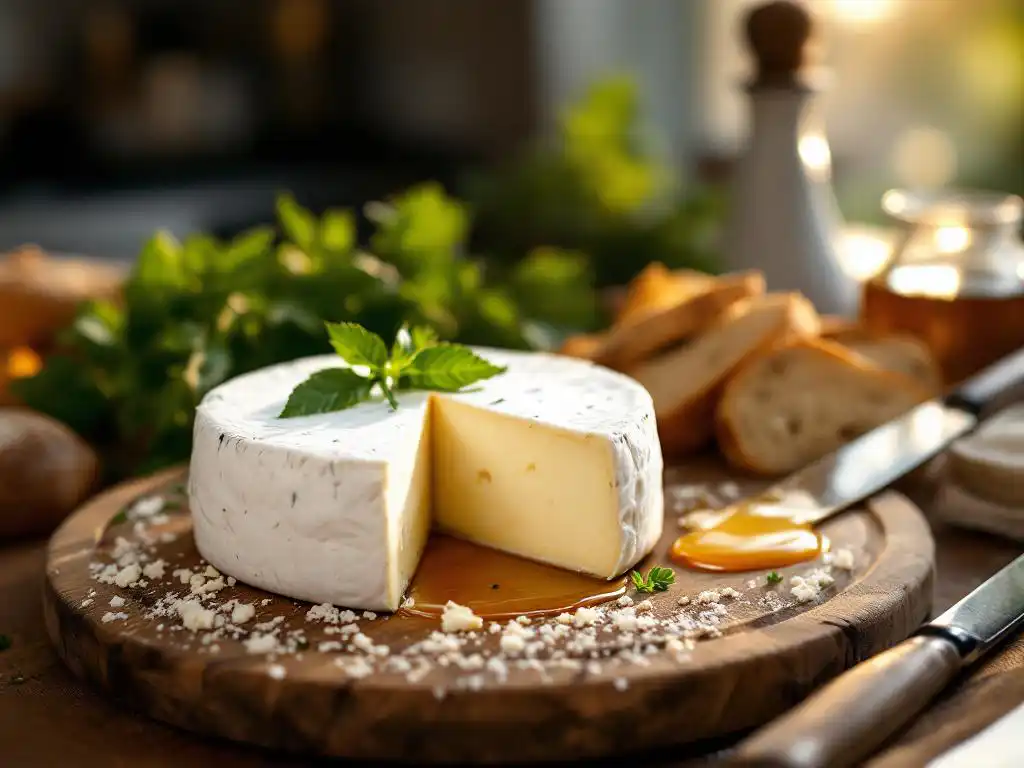
Goat cheese transforms ordinary restaurant dishes into memorable culinary experiences through its distinctive tangy flavour and creamy texture. This versatile ingredient works across all menu categories, from starters to desserts, while meeting growing consumer demand for artisanal, premium ingredients. Understanding how to incorporate goat cheese effectively can help restaurants create signature dishes that stand out in competitive markets and command higher price points.
What makes goat cheese a game-changer for restaurant menus?
Goat cheese offers restaurants a unique combination of sophisticated flavour, versatility, and premium positioning that elevates menu offerings. Its distinctive tangy taste and creamy texture create memorable dishes that customers specifically seek out. The growing demand for artisanal ingredients makes goat cheese particularly valuable for restaurants aiming to differentiate their menus.
The flavour profile of goat cheese ranges from mild and creamy when fresh to complex and sharp when aged. This variety allows chefs to select specific types that complement different cuisines and cooking styles. Fresh goat cheese works brilliantly in Mediterranean dishes, while aged varieties enhance French-inspired menus. The cheese’s natural acidity cuts through rich dishes, providing balance that improves overall flavour composition.
Consumer preferences increasingly favour restaurants offering artisanal and locally sourced ingredients. Goat cheese meets this demand while allowing establishments to charge premium prices. Dishes featuring quality goat cheese typically command 15–25% higher menu prices compared to similar items with standard cheeses. This premium positioning helps restaurants improve profit margins while satisfying customer expectations for unique dining experiences.
The versatility of goat cheese extends beyond traditional cheese applications. It melts beautifully for hot dishes, crumbles perfectly over salads, spreads smoothly on bread, and even features in innovative desserts. This adaptability means restaurants can incorporate goat cheese across their entire menu, creating cohesive offerings that showcase culinary creativity.
How does goat cheese compare to traditional cheese options for restaurants?
Goat cheese provides distinct advantages over cow’s milk cheeses in restaurant settings through superior digestibility, unique flavour complexity, and premium market positioning. Many customers who experience discomfort with cow’s milk products can enjoy goat cheese comfortably. This expanded customer base helps restaurants cater to dietary preferences while maintaining flavour quality.
The flavour profile of goat cheese differs significantly from traditional options. Where cow’s milk cheeses often provide richness and umami, goat cheese adds brightness and tang. This complementary flavour works particularly well in dishes that need acidic balance. Fresh goat cheese offers clean, lemony notes, while aged varieties develop earthy, mushroom-like complexities that rival expensive cow’s milk cheeses.
From a practical standpoint, goat cheese requires similar storage and handling to other soft cheeses. Fresh varieties typically last 2–3 weeks when properly refrigerated, comparable to ricotta or fresh mozzarella. The cheese maintains quality when stored at 35–40°F (2–4°C), making it compatible with existing refrigeration systems. Portion control proves easier with goat cheese logs and rounds, reducing waste compared to large blocks of traditional cheese.
Cost considerations vary depending on quality and source. Premium goat cheese costs more per pound than basic cow’s milk options but less than specialty aged cheeses. The ability to charge higher menu prices typically offsets the increased ingredient cost. Additionally, goat cheese’s strong flavour means smaller portions deliver significant impact, helping control food costs.
Which types of goat cheese work best for different menu applications?
Fresh goat cheese excels in cold applications like salads, spreads, and appetisers where its creamy texture and bright flavour shine. Semi-aged varieties work brilliantly for warm dishes requiring melting or grilling. Aged goat cheeses provide complexity for cheese boards and sophisticated preparations. Understanding these categories helps restaurants select appropriate types for each menu application.
Fresh goat cheese, typically aged less than two weeks, offers mild tanginess and spreadable consistency. This type works perfectly for:
- Salad crumbles that add creamy contrast to crisp greens
- Sandwich spreads mixed with herbs or honey
- Appetiser toppings for bruschetta or crostini
- Whipped preparations for dips and mousses
Semi-aged goat cheese (2–8 weeks) develops a firmer texture while maintaining meltability. These varieties excel in:
- Pizza toppings that hold their shape while providing creamy pockets
- Gratins and baked dishes requiring even melting
- Stuffed proteins like chicken breasts or pork tenderloin
- Warm salads where gentle melting creates a sauce-like consistency
Aged goat cheese (2+ months) offers complex flavours and firm textures suitable for:
- Cheese boards paired with fruits and nuts
- Grating over finished dishes for flavour depth
- Standalone dessert courses with honey and preserves
- Wine pairing menus highlighting artisanal products
What are the most successful goat cheese menu combinations?
Classic pairings like honey, figs, and beetroot remain popular because they balance goat cheese’s tanginess perfectly. Modern combinations incorporate unexpected elements like pickled vegetables, spicy peppers, and tropical fruits. Understanding flavour dynamics helps restaurants create both traditional favourites and innovative dishes that surprise customers while maintaining delicious balance.
Sweet accompaniments enhance goat cheese’s savoury notes through contrast. Honey drizzled over warm goat cheese creates an irresistible appetiser. Fig preserves spread beneath goat cheese on flatbreads deliver sophisticated flavour. Caramelised onions mixed with goat cheese make exceptional tart fillings. These combinations work because sweetness tempers tanginess while highlighting the cheese’s creamy richness.
Earthy vegetables complement goat cheese’s natural flavours beautifully. Roasted beetroot salads topped with crumbled goat cheese remain menu staples. Grilled aubergine layered with goat cheese creates satisfying vegetarian options. Mushroom and goat cheese combinations work in everything from omelettes to pasta dishes. These pairings succeed because earth tones harmonise with the cheese’s subtle barnyard notes.
Nuts and herbs add textural contrast and aromatic complexity to goat cheese dishes. Toasted walnuts or pistachios provide crunch against creamy cheese. Fresh thyme, rosemary, or basil brighten the overall flavour profile. Successful menu items often combine multiple elements: a beetroot carpaccio with goat cheese mousse, candied walnuts, and microgreens delivers visual appeal alongside balanced flavours and varied textures.
How do you store and handle goat cheese in a commercial kitchen?
Proper storage and handling of goat cheese ensures consistent quality and maximises shelf life in busy restaurant environments. Fresh goat cheese requires refrigeration at 35–40°F (2–4°C) and should remain in its original packaging until use. Once opened, transfer it to airtight containers and use within 5–7 days. Aged varieties tolerate slightly warmer temperatures but still require careful storage.
Temperature control proves critical for maintaining goat cheese quality. Fresh varieties deteriorate quickly when exposed to temperature fluctuations. Dedicate specific refrigerator space for cheese storage, avoiding areas near doors or heat sources. Allow cheese to temper at room temperature for 15–20 minutes before service to enhance flavour and improve texture for spreading or crumbling.
Portioning strategies help control costs and maintain freshness:
- Pre-portion fresh goat cheese into service-sized amounts during prep
- Wrap individual portions tightly to prevent moisture loss
- Label with dates to ensure first-in, first-out rotation
- Store crumbled cheese in shallow containers for even cooling
Cross-contamination prevention requires dedicated utensils and cutting boards for goat cheese. The cheese readily absorbs flavours from other ingredients, so maintain separation from strong-smelling foods. Train staff on proper handling techniques, emphasising gentle treatment to preserve texture. Regular quality checks ensure cheese meets standards before reaching customers.
How DeJong Cheese helps create signature goat cheese menu items
We at DeJong Cheese understand the unique challenges restaurants face when incorporating premium goat cheese into their menus. Our Alphenaer brand represents decades of artisanal cheesemaking expertise, offering consistent quality that chefs can rely on for signature dish creation. We provide comprehensive support beyond just supplying exceptional goat cheese.
Our foodservice solutions address specific restaurant needs:
- Bulk packaging options that reduce per-unit costs while maintaining freshness
- Custom product development for unique menu requirements
- Consistent year-round supply ensuring menu stability
- Wide variety from fresh to aged cheeses for complete menu coverage
- Technical support for optimal storage and handling procedures
We work directly with chefs to develop custom goat cheese products that match specific flavour profiles or applications. Whether you need a particular texture for melting applications or a specific ageing profile for your cheese board, our expertise in traditional cheesemaking combined with modern innovation delivers solutions. Our team provides menu development support, sharing insights from successful implementations across our international customer base.
Ready to elevate your menu with premium goat cheese? Explore our complete foodservice product range to discover options perfectly suited to your restaurant’s needs. For custom solutions or to discuss your specific requirements, contact our team directly. Find out where to source our products through our sales points page.
Frequently Asked Questions
How can I calculate the right portion sizes for goat cheese to maintain profitability?
For most applications, plan 1-1.5 ounces of goat cheese per serving for salads and appetisers, 2-3 ounces for main courses, and 0.5-1 ounce for garnishes. Since goat cheese has a stronger flavour than most cow’s milk cheeses, smaller portions deliver significant impact. Track your usage patterns for the first month and adjust portions based on customer feedback and plate waste to optimise both satisfaction and food costs.
What are the most common mistakes restaurants make when first introducing goat cheese dishes?
The biggest mistakes include serving goat cheese too cold (which mutes its flavour), overwhelming dishes with too much cheese, and pairing it with competing strong flavours. Additionally, many restaurants fail to properly educate serving staff about goat cheese varieties and flavour profiles, leading to poor customer recommendations. Start with 2-3 well-tested dishes and ensure your team can confidently describe the cheese’s characteristics and origins.
How do I prevent goat cheese from breaking or becoming grainy when cooking with it?
Keep cooking temperatures moderate—goat cheese performs best at medium heat rather than high temperatures. When making sauces, remove the pan from heat before stirring in goat cheese, allowing residual warmth to melt it gently. For baked dishes, add goat cheese during the last 5-10 minutes of cooking. Always bring refrigerated cheese to room temperature before incorporating it into hot preparations to prevent shocking and separation.
Which wine pairings work best with goat cheese menu items, and should I highlight these on my menu?
Crisp white wines like Sauvignon Blanc, Sancerre, and Albariño complement fresh goat cheese beautifully, while aged goat cheeses pair well with light-bodied reds like Pinot Noir. Absolutely highlight these pairings on your menu—wine pairings can increase check averages by 20-30% and position your restaurant as sophisticated. Consider creating a dedicated goat cheese and wine flight to showcase your expertise and encourage exploration.
How can I market goat cheese dishes to customers who think they don't like goat cheese?
Focus menu descriptions on preparation methods and complementary ingredients rather than leading with ‘goat cheese.’ Use terms like ‘creamy chèvre,’ ‘artisanal cheese,’ or ‘tangy fresh cheese’ to intrigue without triggering preconceptions. Train servers to offer tastes or recommend milder preparations for hesitant customers. Consider featuring it in familiar dishes like pizza or pasta where other flavours balance its tanginess, helping customers discover they actually enjoy quality goat cheese.
What's the best way to source consistent, high-quality goat cheese for my restaurant?
Partner with established specialty cheese suppliers who offer consistent year-round availability and can provide technical support for storage and handling. Look for suppliers who offer both fresh and aged varieties, bulk foodservice packaging, and flexibility for custom orders. Request samples to test in your specific applications, and prioritise suppliers who can share detailed product information including origin, production methods, and flavour profiles to support your menu storytelling.