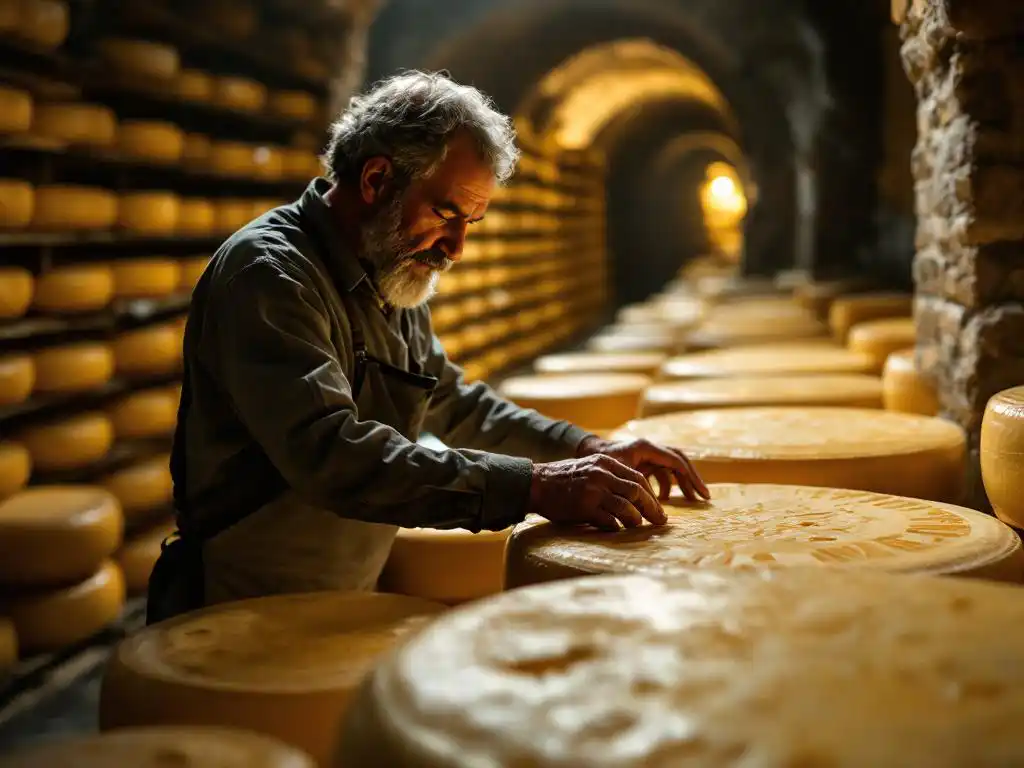
Quality consistency in cheese sourcing is the ability to deliver products with uniform taste, texture, appearance, and performance across every batch and season. For B2B operations, this reliability forms the foundation of successful partnerships, enabling businesses to maintain their own quality standards while meeting customer expectations. Unlike consumer purchases, where occasional variations might go unnoticed, professional cheese buyers require predictable products that perform identically in recipes, manufacturing processes, and menu applications throughout the year.
What exactly is quality consistency in cheese sourcing?
Quality consistency in cheese sourcing means receiving products that maintain identical sensory attributes, production standards, and performance characteristics with every delivery. This encompasses taste profiles that remain stable, textures that perform predictably in applications, and appearances that meet specifications consistently. For B2B operations, consistency extends beyond basic quality to include reliable fat content, moisture levels, melting properties, and aging characteristics.
Professional cheese sourcing requires a deeper level of consistency than retail purchases. While consumers might accept slight variations in their weekly cheese purchases, businesses building recipes, costing menus, or manufacturing products need absolute predictability. A restaurant cannot afford cheese that melts differently from batch to batch, just as a food manufacturer cannot tolerate variations that affect production line settings or final product quality.
The impact of consistency touches every aspect of B2B operations. Menu planning relies on knowing exact flavor profiles and portion yields. Manufacturing processes depend on precise melting points and moisture content. Even packaging and logistics benefit from consistent product dimensions and weights. When cheese quality varies, these carefully calibrated systems face disruption, leading to waste, customer complaints, and operational inefficiencies.
Why does consistency matter more than price in B2B cheese procurement?
Consistency outweighs price in B2B cheese procurement because the hidden costs of quality variations far exceed any savings from cheaper, unreliable suppliers. Production disruptions from inconsistent cheese can halt manufacturing lines, require recipe adjustments, and create unpredictable labor costs. These operational impacts multiply across the supply chain, affecting everything from inventory management to customer satisfaction.
Consider the real costs of inconsistent cheese quality. Customer complaints damage brand reputation and require expensive service recovery efforts. Production waste increases when cheese does not perform as expected, whether through poor melting, unexpected flavors, or texture issues. Staff time spent managing variations, adjusting recipes, or handling complaints represents lost productivity that directly impacts profitability.
Reliable quality enables accurate costing and pricing strategies. When cheese performs predictably, businesses can set menu prices confidently, calculate food costs precisely, and maintain profit margins consistently. This predictability extends to inventory management, where consistent shelf life and storage requirements simplify operations and reduce waste. The peace of mind that comes from knowing every delivery will meet specifications allows businesses to focus on growth rather than quality control.
How can businesses evaluate cheese supplier consistency before committing?
Businesses can evaluate cheese supplier consistency by requesting sample batches over multiple time periods, examining quality control systems, and speaking with current customers about their experiences. This evaluation process should span at least several months to capture potential seasonal variations and demonstrate the supplier’s ability to maintain standards over time.
Start by requesting samples from different production batches rather than accepting a single “best-case” sample. Test these samples in your actual applications, whether that means using goat cheese in a signature salad or evaluating mozzarella’s performance on your pizza line. Document performance metrics such as melt characteristics, flavor consistency, and yield to create objective comparison data.
Quality certifications provide important consistency indicators. Look for suppliers with recognized food safety certifications such as BRC, IFS, or FSSC 22000, which require documented quality control processes. Ask potential suppliers about their testing protocols, batch-tracking systems, and how they handle quality variations. Red flags include reluctance to share certification details, inability to provide consistent specifications, or lack of transparency about production processes.
Reference checks with current customers offer invaluable insights. Ask specifically about consistency over time, how the supplier handles problems, and whether quality has remained stable as order volumes changed. Understanding a supplier’s production capacity also matters — suppliers operating near maximum capacity may struggle to maintain quality standards during peak periods.
What are the key indicators of a consistent cheese supplier?
Key indicators of a consistent cheese supplier include established quality control processes with regular testing, transparent communication about any variations, flexible packaging options that maintain product integrity, reliable delivery schedules, and proactive problem-solving approaches. These markers demonstrate a supplier’s commitment to consistency beyond simple quality claims.
Quality control processes should encompass every production stage. Look for suppliers who test milk quality upon receipt, monitor production parameters continuously, and conduct final product testing before release. Documentation systems that track each batch from farm to delivery indicate a serious commitment to consistency. The best suppliers share this information openly, providing certificates of analysis and welcoming facility visits.
Transparent communication reveals true partnership potential. Consistent suppliers proactively inform customers about potential variations, whether from seasonal changes or production adjustments. They provide advance notice of any changes that might affect product performance and work collaboratively to minimize impact. This includes flexibility in packaging options — offering various sizes and formats while maintaining product quality across all options.
Delivery reliability extends beyond punctuality to include order accuracy, product temperature maintenance, and packaging integrity. Consistent suppliers maintain buffer stock to handle demand fluctuations and have contingency plans for supply chain disruptions. Their problem-solving approach focuses on prevention rather than reaction, with systems to identify and address potential issues before they affect customers.
How does seasonal variation impact cheese consistency and sourcing decisions?
Seasonal variations in cheese production stem from natural changes in milk composition as animals’ diets shift between fresh pasture and stored feed, temperature fluctuations affecting aging processes, and varying humidity levels impacting texture development. These variations are particularly noticeable in artisanal cheeses and can affect color, flavor intensity, and texture even when production methods remain constant.
Spring milk often produces cheese with brighter flavors and a yellower color due to fresh grass consumption, while winter milk may yield milder, paler products. For goat cheese, seasonal breeding cycles can dramatically affect milk availability and composition. Temperature variations influence aging-room conditions, potentially accelerating or slowing ripening processes despite climate control efforts.
Managing seasonal variations requires strategic partnerships with suppliers who understand and communicate these natural cycles. Some businesses address variations by adjusting menu offerings seasonally, featuring dishes that complement the cheese’s changing characteristics. Others work with suppliers to blend batches from different seasons, creating more consistent year-round products. Manufacturing operations might adjust recipes slightly to accommodate seasonal variations while maintaining final product consistency.
Successful sourcing strategies often involve diversification across suppliers or regions to balance seasonal impacts. Working with suppliers who maintain consistent production methods helps minimize variations, even as natural factors change. The key lies in understanding which variations are acceptable for your application and building these expectations into contracts and quality specifications.
How DeJong Cheese ensures consistency for B2B partners
We ensure consistency for B2B partners through our traditional recipes perfected since 1995, the highest food safety certifications in the industry, and our professional team of 55 specialists dedicated to maintaining quality standards. Our approach combines time-tested production methods with modern quality control systems, delivering reliable products to more than 20 countries worldwide.
Our consistency commitment includes:
- Rigorous quality control at every production stage, from milk reception to final packaging
- Flexible packaging solutions that maintain product integrity across all formats
- Transparent communication about any variations or changes that might affect your operations
- Buffer stock management to ensure continuous availability
- Custom product development that maintains consistency while meeting specific needs
Whether you are seeking goat cheese for retail shelves, ingredients for food manufacturing, or specialty products for foodservice, we provide the consistency your business requires. Our traditional Alphenaer brand products and private-label options maintain identical quality standards, backed by certifications that meet international requirements.
Ready to experience true consistency in cheese sourcing? Contact our team to discuss your specific consistency requirements and discover options for your business.
Frequently Asked Questions
How can I test a cheese supplier's consistency without committing to large orders?
Start by requesting small trial orders across different seasons and production batches, ideally over a 3-6 month period. Test each batch in your actual applications and document performance metrics like melting behavior, yield, and flavor profile. Many reliable suppliers offer sample programs or pilot partnerships specifically designed to demonstrate consistency before you commit to larger volumes.
What should I include in a cheese sourcing contract to ensure quality consistency?
Include specific quality parameters such as moisture content ranges, fat percentages, pH levels, and sensory characteristics with acceptable variation limits. Require certificates of analysis for each delivery, establish clear procedures for handling non-conforming products, and define communication protocols for any production changes. Consider adding clauses for regular quality audits and the right to reject batches that don’t meet specifications.
How do I handle customer complaints when cheese quality varies despite choosing reliable suppliers?
Develop a rapid response system that includes documenting the issue with photos and batch numbers, immediately contacting your supplier with specific details, and having backup product available for quick substitution. Create standard operating procedures for staff to identify quality issues before they reach customers, and maintain strong supplier relationships that prioritize quick resolution and preventive measures for future batches.
What's the best way to manage inventory when working with consistent cheese suppliers?
With consistent suppliers, you can optimize inventory by implementing just-in-time ordering based on predictable shelf life and performance. Calculate precise par levels using historical usage data, reduce safety stock requirements, and establish automatic reorder points. This approach minimizes waste and storage costs while ensuring product freshness, but always maintain relationships with at least one backup supplier for contingency planning.
How can I justify paying premium prices for consistent cheese quality to my management or stakeholders?
Document the total cost of ownership by tracking hidden costs of inconsistency including production downtime, recipe adjustments, customer complaints, and staff time spent on quality issues. Create a comparison showing reduced waste percentages, improved customer satisfaction scores, and more accurate food costing with consistent suppliers. Most businesses find that consistency premiums pay for themselves within months through operational efficiencies alone.
What are the early warning signs that a cheese supplier's consistency is declining?
Watch for subtle changes like increasing variation in product appearance between batches, more frequent ‘explanations’ for quality differences, delays in providing certificates of analysis, or changes in packaging quality. Other red flags include new staff contacts without introduction, reluctance to discuss production changes, or sudden availability issues. Address these signs immediately rather than waiting for major quality failures.
How do I transition from an inconsistent supplier to a reliable one without disrupting operations?
Plan a phased transition over 2-3 months by gradually introducing the new supplier’s products while maintaining backup stock from your current supplier. Run parallel testing to ensure the new cheese performs correctly in all applications, train staff on any handling differences, and communicate changes to your customers if the product will affect final dishes. Time the switch to avoid peak business periods and maintain open communication with both suppliers throughout the process.