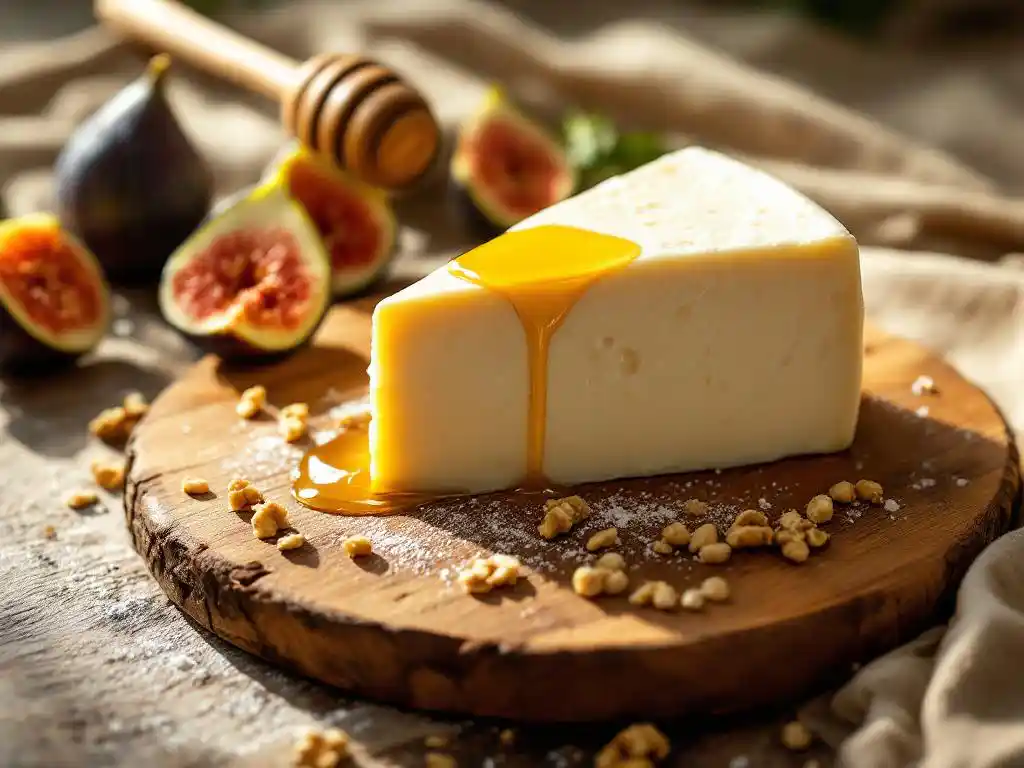
Goat cheese has emerged as a global culinary phenomenon, transforming from a niche product into a mainstream favourite across international markets. This remarkable growth stems from changing consumer preferences, rising health consciousness, and ongoing culinary innovation. The unique characteristics of goat cheese, including its distinctive flavour profile, easier digestibility, and nutritional benefits, have captured the attention of food enthusiasts, chefs, and health-conscious consumers worldwide. Understanding the factors driving this international boom reveals important insights into modern food trends and evolving dietary preferences.
What makes goat cheese different from other cheese types?
Goat cheese stands apart from cow’s milk cheese because of its unique protein structure, which creates a softer, more crumbly texture and a tangy flavour profile. The smaller fat globules in goat’s milk make it naturally easier to digest, while the lower lactose content benefits those with mild sensitivities. These fundamental differences contribute to goat cheese’s growing appeal among consumers seeking alternatives to traditional dairy products.
The production methods for goat cheese often involve traditional techniques that preserve its artisanal character. The natural homogenisation of goat’s milk eliminates the need for mechanical processing, resulting in a purer product. This characteristic creates the distinctive white colour of goat cheese, as goat’s milk lacks the beta-carotene that gives cow’s milk cheese its yellow hue.
Nutritionally, goat cheese contains a different protein composition, with more medium-chain fatty acids that the body processes more efficiently. The calcium and phosphorus ratios differ from those in cow’s milk cheese, potentially offering better mineral absorption. These variations extend to the vitamin content, where goat cheese typically provides higher levels of vitamin A and certain B vitamins.
The taste complexity of goat cheese ranges from mild and creamy in fresh varieties to sharp and complex in aged versions. This versatility allows for diverse culinary applications, from spreading fresh chèvre on crackers to incorporating aged varieties into sophisticated dishes. The influence of terroir on goat cheese is particularly pronounced, with the animals’ diet directly affecting flavour profiles.
Why are more people choosing goat cheese over traditional options?
Consumer preferences have shifted towards goat cheese due to growing health consciousness and the search for digestive-friendly alternatives. Many people report better tolerance of goat cheese compared to cow’s milk products, leading to increased adoption among those managing dietary sensitivities. The perception of goat cheese as a premium, artisanal product also appeals to consumers seeking quality over quantity in their food choices.
The rise of Mediterranean and Middle Eastern cuisines in Western markets has introduced goat cheese to new audiences. These culinary traditions have long celebrated goat cheese, and their growing popularity has normalised its consumption. Food media and celebrity chefs have further elevated goat cheese’s status, featuring it prominently in recipes and on restaurant menus.
Lifestyle factors play a crucial role in driving goat cheese adoption. The growing interest in sustainable and ethical food production aligns with goat farming practices, which typically require less land and fewer resources than cattle farming. Younger consumers in particular value these environmental considerations when making purchasing decisions.
Demographic patterns reveal interesting trends, with urban professionals and health-conscious families leading goat cheese consumption. A willingness to experiment with new flavours and textures characterises these consumer groups. Additionally, the rise of speciality food stores and farmers’ markets has improved access to high-quality goat cheese products.
Which countries are driving the international goat cheese boom?
France remains the traditional powerhouse of goat cheese production and consumption, but emerging markets in North America, Asia, and Australia are experiencing rapid growth. The United States has seen particularly strong expansion, with domestic production increasing alongside imports from Europe. China and Japan represent significant growth opportunities, as Western cheese consumption rises among affluent urban populations.
European countries beyond France, including Spain, the Netherlands, and Greece, have expanded their goat cheese exports significantly. These nations leverage their traditional cheese-making expertise while adapting to international tastes. The European Union’s quality certification systems have helped establish trust in these products across global markets.
Import and export patterns reveal interesting dynamics in the goat cheese trade. Countries with established dairy industries but limited goat farming, such as Germany and the UK, have become major importers. Meanwhile, nations with favourable climates for goat farming, including parts of Africa and South America, are developing export capabilities.
Cultural factors significantly influence market development. In regions where goat dairy has historical roots, such as the Mediterranean and the Middle East, the modernisation of production methods has enhanced quality and consistency. In newer markets, education about goat cheese varieties and uses drives adoption rates. The globalisation of food culture through travel and media accelerates this educational process.
What health benefits make goat cheese increasingly popular?
Goat cheese offers superior digestibility compared to cow’s milk cheese due to its protein structure and smaller fat molecules. The A2 protein in goat’s milk, similar to that in human breast milk, causes fewer inflammatory responses in sensitive individuals. This digestive advantage makes goat cheese an attractive option for people experiencing discomfort with traditional dairy products.
The nutritional profile of goat cheese includes beneficial fatty acids that support heart health and help reduce inflammation. Medium-chain triglycerides (MCTs) in goat cheese provide quick energy and may support weight management. The bioavailability of nutrients in goat cheese often exceeds that of cow’s milk cheese, meaning the body can utilise these nutrients more effectively.
The lower cholesterol content of goat cheese appeals to health-conscious consumers monitoring their cardiovascular health. The mineral density, particularly of calcium and phosphorus, supports bone health while being gentler on the digestive system. These benefits align closely with modern wellness trends focusing on functional foods that provide specific health advantages.
The probiotic potential of certain goat cheese varieties contributes to gut health, an increasingly important consideration for consumers. Fresh and soft-ripened goat cheeses often contain beneficial bacteria that support digestive wellness. This probiotic aspect, combined with easier digestibility, positions goat cheese as a gut-friendly dairy option in the growing market for digestive health products.
How is the foodservice industry embracing goat cheese trends?
Restaurants across all dining segments have incorporated goat cheese into their menus, recognising its versatility and consumer appeal. Fine dining establishments feature artisanal goat cheese boards and sophisticated preparations, while casual dining chains offer goat cheese as a premium topping option. This widespread adoption reflects both chef creativity and customer demand for more diverse cheese options.
Menu innovation with goat cheese extends beyond traditional applications. Chefs experiment with goat cheese in unexpected formats, from ice creams and mousses to tempura-fried preparations. The cheese’s ability to complement both sweet and savoury dishes makes it invaluable for creative menu development. Seasonal menu changes often feature goat cheese prominently, particularly in spring and summer offerings.
The artisanal cheese movement has elevated goat cheese’s status in foodservice. Restaurants partner with local goat cheese producers to offer unique, terroir-driven products that tell a story. This farm-to-table approach resonates with diners seeking authentic, locally sourced experiences. Wine bars and speciality restaurants build entire tasting experiences around goat cheese pairings.
Culinary applications span the full menu spectrum. Appetisers featuring warm goat cheese salads remain perennial favourites, while main courses incorporate goat cheese into pasta, pizza, and protein preparations. Dessert applications showcase goat cheese’s versatility, with cheesecakes, tarts, and paired presentations gaining popularity. The cheese’s ability to enhance rather than dominate dishes makes it a valuable ingredient across all menu categories.
How DeJong Cheese meets growing international goat cheese demand
We at DeJong Cheese have positioned ourselves at the forefront of the international goat cheese market through our commitment to traditional production methods combined with modern quality standards. Our family business, established in 1995, brings decades of expertise to meeting the evolving needs of B2B customers worldwide. We understand that success in international markets requires both exceptional products and reliable partnerships.
Our comprehensive approach to serving international demand includes:
- Traditional cheese-making techniques that preserve authentic flavours while meeting modern food safety standards
- A diverse product range, from fresh goat cheese to aged specialities under our Alphenaer brand
- Flexible private label solutions that help businesses create their own unique market presence
- Bulk packaging options designed for industrial processing and foodservice applications
- The highest food safety certifications, enabling smooth international trade
We support our B2B partners across more than 20 countries with customised solutions for their specific market needs. Whether you are a cheese wholesaler seeking distinctive products for speciality shops, a foodservice distributor requiring consistent quality for restaurants, or a food manufacturer needing reliable bulk supplies for production, we provide the expertise and flexibility to help your business thrive in the growing goat cheese market.
Our team of 55 dedicated professionals understands the complexities of international cheese trade, from navigating regulatory requirements to ensuring optimal product condition throughout the supply chain. We invite you to explore how our traditional craftsmanship and modern capabilities can enhance your goat cheese offerings. Discover our complete product range or contact us directly to discuss your specific requirements. For those interested in local availability, visit our sales points page to find DeJong Cheese products near you.
Frequently Asked Questions
How should I store goat cheese to maintain its quality and extend shelf life?
Store fresh goat cheese in its original packaging or wrapped tightly in plastic wrap in the coldest part of your refrigerator (around 4°C). For aged goat cheeses, wrap them in cheese paper or wax paper, then loosely in plastic to allow breathing while preventing moisture loss. Most fresh goat cheese stays good for 1-2 weeks after opening, while aged varieties can last 3-4 weeks when properly stored.
What are the best wine pairings for different types of goat cheese?
Fresh, creamy goat cheeses pair beautifully with crisp white wines like Sauvignon Blanc, Albariño, or Sancerre, which complement the tangy flavours. For aged goat cheeses with stronger flavours, try medium-bodied reds like Pinot Noir or Tempranillo. Semi-soft goat cheeses work well with rosé wines or light, fruity reds, while ash-ripened varieties match perfectly with Champagne or other sparkling wines.
Can I freeze goat cheese, and how does it affect the texture?
While you can freeze goat cheese for up to three months, it will change the texture, making it more crumbly and less creamy when thawed. Frozen goat cheese works best in cooked dishes like quiches, pasta, or baked goods where texture changes are less noticeable. For optimal results, freeze in small portions, wrap tightly in plastic wrap and aluminium foil, and thaw slowly in the refrigerator before use.
What's the difference between chèvre and other types of goat cheese?
Chèvre specifically refers to fresh, soft goat cheese with a creamy, spreadable texture and mild, tangy flavour, typically consumed within days or weeks of production. Other goat cheese varieties include semi-soft types like Bucheron, hard aged cheeses like aged Gouda-style goat cheese, and blue-veined varieties. Each type offers different textures, flavour intensities, and culinary applications, from spreading fresh chèvre on bread to grating aged varieties over pasta.
How can restaurants calculate the right portion sizes and pricing for goat cheese dishes?
For appetisers and salads, plan 30-50 grams of goat cheese per serving, while main courses typically use 60-80 grams. Calculate pricing by multiplying your cheese cost by 3-4 times to account for labour, overhead, and profit margins. Consider offering goat cheese as a premium upgrade option for an additional charge, and track sales data to optimise portion sizes based on customer satisfaction and waste reduction.
What are common mistakes when cooking with goat cheese, and how can I avoid them?
The most common mistake is overheating goat cheese, which causes it to become grainy or separate – add it at the end of cooking or use gentle heat. Another error is not bringing cold goat cheese to room temperature before incorporating it into warm dishes, which can cause curdling. Avoid pairing goat cheese with ingredients that overpower its delicate flavour, and don’t substitute it 1:1 for cream cheese in recipes without adjusting liquid content, as goat cheese has less moisture.
How do I start sourcing quality goat cheese for my food business or restaurant?
Begin by identifying your specific needs: volume requirements, desired varieties, and price points. Research suppliers who offer consistent quality and reliable delivery, requesting samples to evaluate flavour profiles and textures. Consider factors like minimum order quantities, delivery schedules, and whether you need speciality or artisanal options versus commercial grades. Build relationships with multiple suppliers to ensure continuity, and don’t hesitate to ask about private label options if you want to differentiate your offerings.