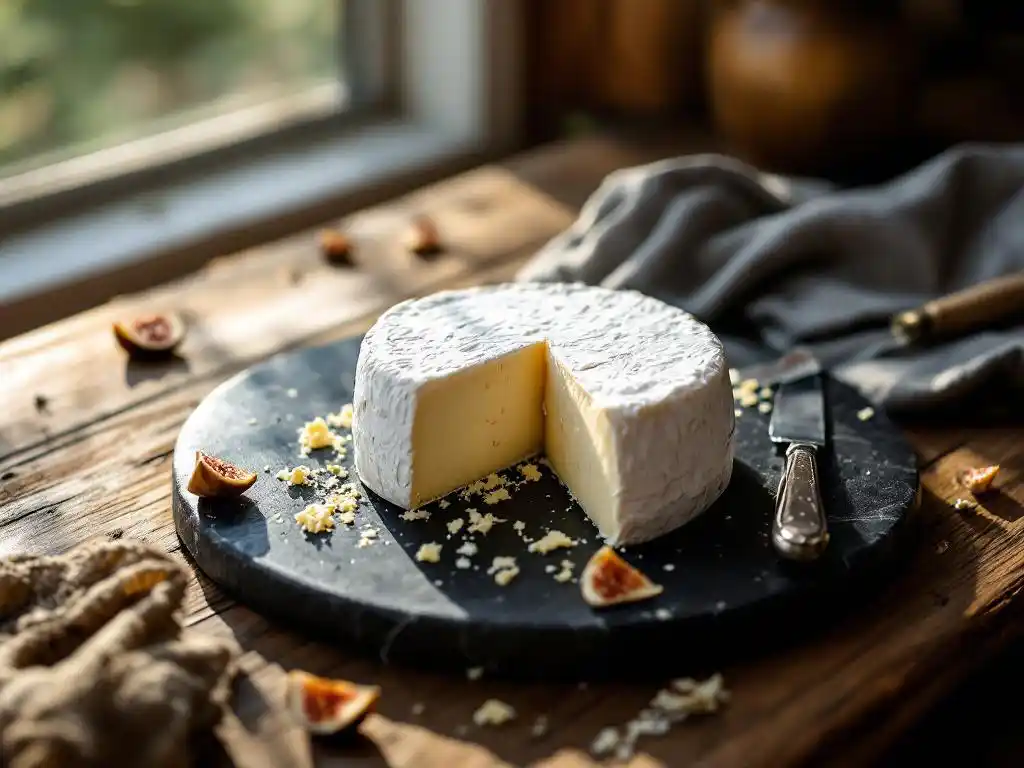
Goat cheese commands premium prices in the gourmet food market due to its unique production requirements, distinct flavour profile, and limited availability compared to cow’s milk cheese. The combination of specialised farming practices, labour-intensive production methods, and artisanal craftsmanship positions goat cheese as a luxury product that appeals to discerning consumers and allows businesses to justify higher price points across retail and foodservice sectors.
What makes goat cheese a premium product in the gourmet market?
Goat cheese achieves premium status through its distinctive tangy flavour, creamy texture, and artisanal production methods that set it apart from mass-produced dairy products. The specialised farming required for high-quality goat’s milk production, combined with traditional cheese-making techniques and careful ageing processes, creates a product that commands higher prices in both retail and foodservice markets.
The unique characteristics of goat cheese begin with the milk itself. Goat’s milk contains smaller fat globules than cow’s milk, creating a naturally smoother, more digestible cheese with a characteristically bright, clean flavour. This distinctive taste profile cannot be replicated with cow’s milk, making goat cheese irreplaceable in many culinary applications.
Nutritional advantages further elevate goat cheese’s premium positioning. The cheese contains less lactose and different protein structures than cow’s milk cheese, making it easier to digest for many consumers. These health benefits appeal to increasingly health-conscious consumers who are willing to pay premium prices for products that align with their dietary preferences.
The artisanal nature of most goat cheese production adds to its luxury appeal. Small-scale producers often use traditional methods passed down through generations, creating unique flavour profiles and textures that vary by region and season. This craftsmanship and attention to detail justify higher prices and attract consumers seeking authentic, handcrafted food experiences.
How does the production process affect goat cheese’s premium status?
Premium goat cheese production requires significantly more labour and expertise than industrial cheese-making, with small-batch processing and traditional ageing techniques that cannot be rushed or automated. The careful handling of delicate goat’s milk, precise temperature control, and extended ageing periods create production costs that directly translate into premium pricing while ensuring exceptional quality that justifies the investment.
The production process begins with milk collection, which presents unique challenges. Goats produce less milk than cows, requiring more animals to achieve the same volume. The milk must be handled with extreme care, as goat’s milk is more sensitive to temperature changes and can develop off-flavours if not processed quickly and correctly.
Traditional cheese-making techniques employed by premium producers include hand-ladling curds, natural draining processes, and careful monitoring of humidity and temperature during ageing. These labour-intensive methods require skilled cheesemakers who understand the subtle nuances of working with goat’s milk. The expertise needed to consistently produce high-quality goat cheese commands higher wages, contributing to increased production costs.
Ageing and maturation processes for premium goat cheese often extend over several months, requiring dedicated ageing facilities with precise climate control. During this time, cheeses must be regularly turned, monitored, and sometimes treated with special cultures or coatings. This extended production timeline ties up capital and requires significant storage space, further increasing costs that must be reflected in the final price.
Why do consumers perceive goat cheese as a luxury food item?
Consumer perception of goat cheese as a luxury item stems from its association with gourmet dining, European culinary traditions, and sophisticated taste preferences that signal refined palates. The cheese’s presence on upscale restaurant menus and in specialty food stores, as well as its pairing with premium wines, reinforces its status as an indulgence rather than an everyday dairy product.
The European heritage of goat cheese production contributes significantly to its luxury image. Many premium goat cheeses originate from specific regions in France, Spain, and Italy, where centuries-old traditions and protected designation of origin status create an aura of authenticity and exclusivity. Consumers associate these imported cheeses with culinary sophistication and are willing to pay premium prices for the experience.
Marketing and presentation strategies further reinforce the luxury positioning. Premium goat cheeses often feature elegant packaging, detailed origin stories, and suggestions for wine pairings or serving occasions. The visual presentation in specialty cheese shops, with carefully curated displays and knowledgeable staff, creates a shopping experience that justifies higher prices.
The growing food culture and interest in artisanal products has elevated goat cheese from a niche product to a symbol of culinary knowledge. Social media influence has amplified this effect, with beautifully styled cheese boards featuring goat cheese becoming aspirational content that drives consumer desire for these premium products.
What role does scarcity play in goat cheese’s premium positioning?
Scarcity significantly impacts goat cheese pricing through limited milk production, as goats produce only 10–15% of the milk volume that cows generate, creating natural supply constraints. Seasonal variations in milk availability, smaller herd sizes, and the specialised distribution requirements for delicate goat cheeses all contribute to higher prices that reflect genuine supply limitations rather than artificial scarcity.
The mathematics of goat’s milk production create fundamental supply challenges. A typical dairy goat produces 2–3 litres of milk per day, compared to 20–30 litres from a dairy cow. This dramatic difference means producers need larger herds and more labour to achieve viable production volumes, immediately increasing costs that must be passed on to consumers.
Seasonal breeding patterns of goats create additional supply fluctuations. Unlike cows, which can be bred year-round, goats have natural breeding seasons that result in periods of abundance and scarcity. During low-production months, prices naturally increase to reflect reduced availability, reinforcing the perception of goat cheese as a special-occasion product.
Distribution challenges compound scarcity issues. Fresh goat cheeses have shorter shelf lives than aged cow’s milk cheeses, requiring faster turnover and more frequent deliveries. The delicate nature of many goat cheeses demands careful temperature control throughout the supply chain, limiting distribution options and increasing logistics costs.
The smaller scale of most goat cheese operations means they cannot achieve the economies of scale available to large dairy producers. This structural limitation keeps production costs high and volumes low, creating a natural premium pricing structure that reflects genuine economic realities rather than marketing positioning alone.
How do restaurants and retailers leverage goat cheese for premium offerings?
Restaurants and retailers strategically use goat cheese to elevate menu offerings and create signature dishes that command premium prices, with goat cheese salads, pizzas, and cheese boards typically priced 20–30% higher than similar items without specialty cheese. The presence of artisanal goat cheese on menus signals quality and sophistication, attracting discerning diners who are willing to pay more for unique culinary experiences.
Menu engineering strategies position goat cheese dishes as premium options that increase average check sizes. Chefs create signature preparations that showcase the cheese’s unique qualities, such as warm goat cheese salads, honey-drizzled goat cheese appetisers, or goat cheese-stuffed proteins. These dishes become menu anchors that define the restaurant’s culinary identity and justify higher price points across the entire menu.
Retailers leverage goat cheese to differentiate their offerings from conventional supermarkets. Specialty food stores create dedicated cheese sections with knowledgeable staff who can educate customers about origins, flavour profiles, and serving suggestions. This educational component adds value that supports premium pricing and builds customer loyalty.
The versatility of goat cheese allows businesses to create multiple revenue streams from a single product category. Cross-merchandising opportunities include pairing goat cheese with premium crackers, specialty honey, artisanal jams, and fine wines. These complementary sales increase basket sizes while reinforcing the luxury positioning of the entire product selection.
Seasonal and limited-edition goat cheese offerings create urgency and excitement that drive sales at premium prices. Restaurants feature special goat cheese preparations during peak seasons, while retailers promote exclusive imports or locally produced artisanal varieties that command attention and higher margins.
How DeJong Cheese helps with premium goat cheese positioning
We support B2B clients in capitalising on the premium goat cheese market through our traditional production methods, comprehensive quality certifications, and flexible packaging solutions that maintain product integrity while meeting diverse business needs. Our expertise in crafting authentic Dutch goat cheese varieties, combined with private-label capabilities, enables restaurants, retailers, and food manufacturers to offer premium goat cheese products that command higher prices and satisfy discerning customers.
Our traditional family recipes and artisanal production methods create the authentic flavour profiles that premium positioning requires. We offer:
- Fresh and aged goat cheese varieties with distinct flavour profiles
- Flexible packaging options, from bulk foodservice formats to retail-ready portions
- Private-label development for businesses seeking exclusive products
- Consistent quality backed by the highest food safety certifications
- Technical support for menu development and product applications
Our B2B partnership approach goes beyond simple supply relationships. We work closely with clients to understand their premium positioning goals and develop customised solutions that support their market strategies. Whether you need unique flavour profiles for signature dishes or consistent quality for large-scale production, our expertise ensures your goat cheese offerings maintain the premium standards your customers expect.
Ready to elevate your product offerings with premium goat cheese? Explore our foodservice solutions to discover how our traditional Dutch goat cheeses can enhance your menu or retail selection. For customised private-label options or to discuss your specific needs, contact our team today. Find out where to source our premium goat cheeses through our sales locations.
Frequently Asked Questions
How can I start incorporating premium goat cheese into my restaurant menu without overwhelming food costs?
Start by introducing goat cheese as a premium add-on option to existing dishes, charging £2-4 extra for goat cheese substitutions in salads, pizzas, or sandwiches. Focus on creating one or two signature goat cheese dishes with high perceived value, such as a warm goat cheese appetiser or a goat cheese tasting board, which can command premium prices while using controlled portions. Track sales data to identify which preparations resonate with your customers before expanding your goat cheese offerings.
What are the most common mistakes businesses make when storing and handling goat cheese?
The biggest mistakes include storing goat cheese at incorrect temperatures (it should be kept at 35-45°F), exposing it to strong odours that the cheese readily absorbs, and failing to properly wrap opened cheese to prevent moisture loss. Fresh goat cheese should be used within 7-10 days of opening, while aged varieties need to breathe—wrap them in cheese paper or wax paper rather than plastic. Always handle goat cheese with clean utensils to prevent cross-contamination that can accelerate spoilage.
How do I educate my staff to sell premium goat cheese effectively to customers?
Conduct regular tasting sessions where staff can experience different goat cheese varieties and learn to describe their unique flavour profiles, textures, and ideal pairings. Create simple reference cards with key selling points: origin stories, flavour notes, and suggested wine or food pairings. Encourage staff to share personal recommendations and teach them to position goat cheese as an accessible luxury rather than an intimidating gourmet product—emphasising its versatility and health benefits helps overcome customer hesitation.
What's the optimal pricing strategy for goat cheese dishes compared to regular cheese options?
Price goat cheese dishes 25-35% higher than comparable items with regular cheese, but ensure the presentation and portion size justify the premium. For retail, maintain a 50-70% markup on wholesale costs for fresh goat cheese and up to 100% for aged or imported varieties. Bundle goat cheese with complementary products (crackers, honey, nuts) to increase perceived value and average transaction size while making the premium price point more palatable.
How can I differentiate my goat cheese offerings from competitors in a crowded market?
Focus on storytelling by highlighting the provenance of your goat cheeses, including farm origins, production methods, and cheesemaker profiles. Create unique flavour combinations by offering house-made accompaniments like truffle honey, seasonal fruit compotes, or herb-infused oils specifically paired with your goat cheeses. Consider exclusive partnerships with local or artisanal producers to offer varieties that competitors cannot source, and develop signature preparations or ageing techniques that create a proprietary product line.
What certifications or quality indicators should I look for when sourcing premium goat cheese?
Prioritise suppliers with recognised food safety certifications such as BRC, IFS, or FSSC 22000, which ensure consistent quality and safety standards. Look for PDO (Protected Designation of Origin) or AOC (Appellation d’Origine Contrôlée) designations for authentic regional cheeses, and consider organic or animal welfare certifications that appeal to conscious consumers. Ask potential suppliers about their traceability systems, production methods, and whether they can provide consistent quality throughout seasonal variations.