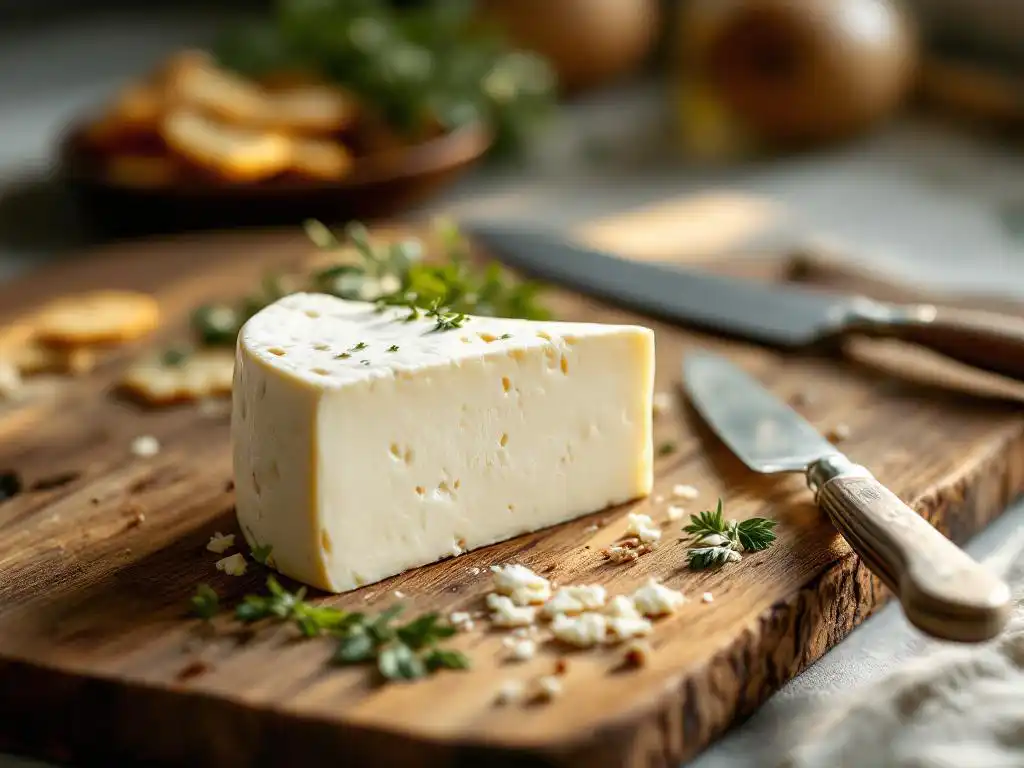
Goat cheese significantly reduces processing complexity for food manufacturers through its unique physical properties and versatile applications. Its natural homogenization, lower melting point, and smoother texture make it easier to incorporate into various production lines compared with traditional cow’s milk cheese. These characteristics reduce equipment strain, simplify temperature control, and minimize the need for additional processing steps, making goat cheese an efficient choice for industrial food production.
What makes goat cheese easier to process than other dairy products?
Goat cheese possesses several unique properties that make it exceptionally easy to process in industrial settings. The smaller fat globules in goat’s milk create natural homogenization, eliminating the need for mechanical homogenization processes. This inherent smoothness translates directly into reduced processing time and equipment wear.
The lower melting point of goat cheese, typically 5–10 degrees lower than cow’s milk cheese, means manufacturers can work with gentler temperatures. This characteristic preserves product quality while reducing energy costs and preventing common issues such as oil separation or texture degradation during heating processes.
Goat cheese’s naturally creamy texture requires less mechanical processing to achieve the desired consistencies. Whether creating spreads, sauces, or incorporating it into prepared foods, the smooth texture blends more readily with other ingredients. This reduces mixing times and prevents the formation of lumps or uneven distribution that often occurs with harder cheeses.
The protein structure in goat cheese also contributes to easier processing. The different casein composition breaks down more readily during processing, making it ideal for applications requiring smooth integration. This means less strain on equipment such as mixers, blenders, and pumps, extending their operational life and reducing maintenance requirements.
How does goat cheese reduce production line complexity?
Goat cheese streamlines manufacturing processes by offering exceptional versatility across different applications without requiring specialized equipment or extensive modifications. Its adaptability means a single product can serve multiple purposes, from direct incorporation into sauces to crumbling for salad toppings, all using standard production equipment.
The reduced need for additives represents another significant advantage. Goat cheese naturally provides the creamy texture and mild flavor that often require multiple ingredients to achieve with other cheeses. This simplification means fewer ingredients to source, store, and manage, while also appealing to clean-label trends.
Temperature control becomes more manageable with goat cheese due to its stable behavior across a wider temperature range. Unlike some cheeses that require precise temperature windows to prevent separation or texture changes, goat cheese maintains its properties more consistently. This flexibility reduces the need for sophisticated temperature monitoring systems and allows for greater tolerance in production environments.
Equipment compatibility is rarely an issue with goat cheese. Standard dairy processing equipment handles goat cheese efficiently without requiring special modifications or attachments. Pumps, fillers, and packaging equipment designed for soft cheeses work seamlessly with goat cheese products, eliminating the need for costly equipment upgrades or specialized machinery.
What are the main processing challenges goat cheese solves?
Goat cheese addresses several common food processing pain points that manufacturers regularly encounter. Consistency issues, which plague many dairy ingredients, are naturally minimized with goat cheese due to its uniform texture and predictable behavior during processing. This reliability ensures batch-to-batch consistency without extensive quality control interventions.
Blending difficulties often arise when incorporating cheese into liquid products or mixed preparations. Goat cheese’s smooth texture and excellent dispersibility solve this challenge by integrating cleanly into both hot and cold applications. Whether creating cheese sauces, dressings, or filled products, goat cheese blends without creating unwanted chunks or requiring extended mixing times.
Texture challenges in final products frequently stem from cheese ingredients that do not maintain their properties throughout processing and storage. Goat cheese provides a stable texture that resists common problems such as syneresis (water separation), graininess, or hardening during shelf life. This stability translates to better product quality and fewer customer complaints.
The natural emulsification properties of goat cheese also solve separation issues common in cheese-based products. Its ability to bind water and fat effectively means products maintain their intended texture without requiring additional emulsifiers or stabilizers. This characteristic is particularly valuable in sauce production, ready meals, and other applications where texture stability is critical.
Which production formats work best with goat cheese?
Bulk packaging formats offer the greatest efficiency for industrial applications of goat cheese. Large blocks, tubs, or bags ranging from 5 to 20 kilograms provide optimal handling for high-volume production while minimizing packaging waste. These formats work particularly well for applications requiring further processing, such as sauce manufacturing or ready-meal production.
Pre-crumbled goat cheese formats save significant labor and processing time for manufacturers producing salads, pizzas, or topped products. The crumbles maintain their integrity during distribution and application, providing consistent coverage without the need for in-house crumbling equipment. This format also reduces product loss associated with manual crumbling processes.
Liquid or semi-liquid formats excel in sauce and dressing applications. Goat cheese can be supplied in pumpable consistencies that integrate directly into production lines without preliminary preparation. This format eliminates the melting step required with solid cheeses and ensures immediate, uniform distribution throughout the product.
Portion-controlled formats suit operations requiring precise ingredient management. Whether in individual portions for meal-kit assembly or pre-weighed amounts for batch production, these formats reduce waste and improve production accuracy. The flexibility in packaging options allows manufacturers to choose formats that best match their production flow and minimize handling steps.
How can manufacturers integrate goat cheese into existing processes?
Manufacturers can successfully integrate goat cheese into existing processes by starting with a compatibility assessment of current equipment and recipes. Most standard dairy processing equipment handles goat cheese without modification, but verifying pump capacities, mixer speeds, and temperature controls ensures smooth integration. Simple trial runs with small batches help identify any adjustments needed before full-scale implementation.
Gradual integration strategies work best for minimizing disruption to established production lines. Beginning with one product line or application allows teams to gain experience with goat cheese characteristics before expanding usage. This approach also provides an opportunity to optimize processes and train staff without risking large-scale production issues.
Equipment adjustments, when needed, are typically minor. Mixer speeds might require slight reduction due to goat cheese’s smoother texture, and temperature settings may need lowering to accommodate its lower melting point. These adjustments are easily made through existing control systems without hardware changes.
Best practices for a smooth transition include maintaining slightly lower processing temperatures, reducing mixing times by 15–20%, and adjusting seasoning levels to account for goat cheese’s naturally tangy flavor profile. Regular quality checks during initial production runs help fine-tune these parameters for optimal results. Documentation of successful settings creates valuable reference guides for consistent production.
How De Jong Cheese helps reduce processing complexity
We understand the challenges food manufacturers face in maintaining efficient production while meeting quality demands. Our expertise in goat cheese production since 1995 enables us to offer solutions specifically designed to simplify your processing requirements.
Our flexible approach to processing support includes:
- Customized packaging formats tailored to your production line specifications
- Consistent quality standards that ensure predictable processing behavior
- Technical support from our experienced team to optimize integration
- Bulk packaging options from 5 kg to 20 kg for efficient handling
- Pre-processed formats including crumbles and pumpable consistencies
- Private-label capabilities to match your specific requirements
We maintain the highest food safety certifications, ensuring our products meet international standards for industrial food production. Our dedicated B2B team works closely with manufacturers to develop solutions that reduce complexity while maintaining the authentic quality our Alphenaer brand represents.
Whether you are producing ready meals, sauces, pizzas, or salads, we provide the consistency and reliability needed for smooth production runs. Our traditional recipes, combined with modern production capabilities, deliver goat cheese products that integrate seamlessly into your existing processes.
Ready to simplify your cheese processing? Contact our team to discuss how our goat cheese solutions can streamline your production. Visit our foodservice solutions to learn more about our industrial applications and availability in your region.
Frequently Asked Questions
What are the most common mistakes when switching from cow's milk cheese to goat cheese in production?
The most common mistakes include using the same temperature settings as cow’s milk cheese (goat cheese requires 5-10 degrees lower), over-mixing due to its smoother texture, and not adjusting seasoning levels to account for goat cheese’s natural tanginess. Additionally, manufacturers often overlook the reduced processing time needed, leading to unnecessary energy consumption and potential texture degradation.
How do I calculate the cost savings when switching to goat cheese in my production line?
Calculate cost savings by comparing energy consumption (lower processing temperatures save 15-20% on heating costs), reduced processing time (typically 20-30% faster), decreased equipment maintenance (less strain means 25% longer equipment life), and fewer additives needed. Factor in labor savings from simplified processes and reduced quality control interventions to get a complete picture of potential savings.
Can goat cheese replace multiple cheese types in my product portfolio?
Yes, goat cheese’s versatility often allows it to replace 2-3 different cheese varieties in a product portfolio. Its ability to function as both a creamy base (replacing cream cheese or mascarpone) and a crumbled topping (replacing feta or ricotta) reduces inventory complexity. This consolidation simplifies purchasing, storage, and production planning while maintaining product quality and variety.
What quality control measures should I implement when processing goat cheese?
Focus quality control on temperature monitoring (staying within the optimal range), texture consistency checks at key production stages, and pH level verification to ensure stability. Implement simple viscosity tests for liquid applications and crumble integrity checks for solid formats. Most importantly, establish baseline parameters during initial runs and monitor for deviations rather than applying cow’s milk cheese standards.
How long does it typically take to fully integrate goat cheese into an existing production line?
Full integration typically takes 2-4 weeks for a single product line, including initial trials, parameter optimization, and staff training. Simple applications like crumbled toppings may integrate within days, while complex sauce systems might require up to 6 weeks for complete optimization. The timeline depends on production complexity, but goat cheese’s compatibility with standard equipment significantly reduces integration time compared to other specialty ingredients.
What certifications should I look for in an industrial goat cheese supplier?
Essential certifications include GFSI-recognized standards (BRC, IFS, or SQF), HACCP compliance, and relevant organic certifications if required. Look for suppliers with ISO 22000 for comprehensive food safety management and specific dairy processing certifications. Additionally, verify halal or kosher certifications if serving those markets, and ensure the supplier maintains full traceability systems for quality assurance.
How can I prevent texture changes in goat cheese products during extended shelf life?
Prevent texture changes by maintaining consistent cold chain management (2-4°C), using appropriate packaging that minimizes air exposure, and avoiding temperature fluctuations during storage and transport. Consider modified atmosphere packaging for extended shelf life applications. For processed products, ensure proper pH balance (4.5-5.0) and avoid over-processing, which can break down the natural structure that provides stability.