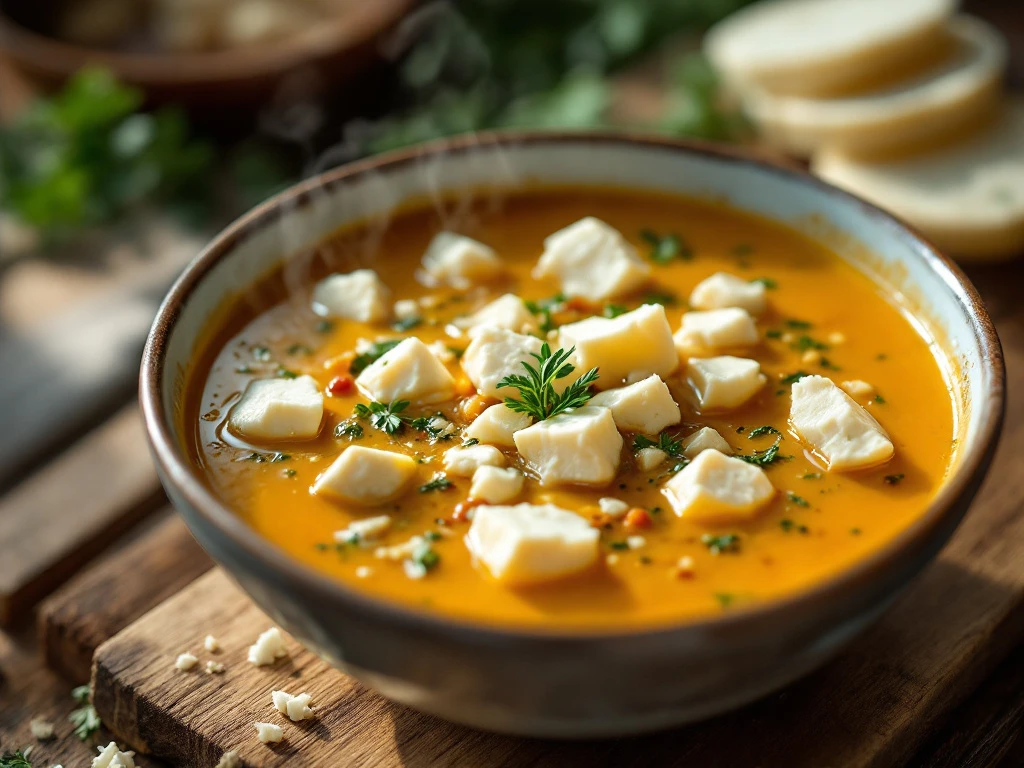
Yes, goat cheese can be used in soups, and it’s one of the best cheese choices for making soup. It has a creamy texture and a special tangy taste that makes soups rich and smooth. It works well with simple vegetable soups and thick cream soups. Goat cheese melts easily into hot liquids without becoming lumpy or stringy. This makes it perfect for creating delicious, restaurant-style soups at home. You can use fresh, soft goat cheese or aged goat cheese – both types make ordinary soups taste amazing.
Can goat cheese be used in soups?
Goat cheese is a great choice for soups because it has special qualities that work well in soup-making. Its creamy texture melts smoothly into hot liquids without becoming stringy or breaking apart. The tangy flavor adds depth and richness to both light broths and thick stews. Fresh goat cheese has lots of moisture, which helps create silky, smooth textures.
Different types of goat cheese work well in soups, and each type brings something different. Fresh goat cheese is soft and spreads easily. It melts quickly and evenly, making it perfect for adding to vegetable soups at the end. Our fresh goat cheese crumbles are very easy to use in soup-making because they melt evenly without forming lumps. Semi-aged types have stronger flavors and are a bit firmer. They work well in chunky soups where you want pieces of creamy cheese throughout.
How goat cheese melts depends on how old it is and how much moisture it has. Fresh types usually have 16-20% fat and lots of moisture, so they mix smoothly into hot liquids. As goat cheese gets older, it becomes firmer and has a stronger flavor. You need to handle it a bit differently, but it still melts well when you add it properly. The natural proteins in goat cheese help make soups stable and creamy without needing heavy cream or other thickeners.
What types of soups work best with goat cheese?
Vegetable soups work very well with goat cheese because the cheese’s tangy taste balances the natural sweetness of cooked vegetables. Butternut squash soup with goat cheese creates a perfect mix of sweet and savory flavors. Tomato soups taste better with the creamy contrast of goat cheese. Root vegetable soups, especially those with beetroot, carrots, or parsnips, become much more flavorful when you add dollops of fresh goat cheese.
Cream soups are another type where goat cheese works really well. The cheese adds both flavor and creaminess, making the soup feel luxurious without covering up delicate tastes. Mushroom soup with goat cheese becomes very rich and earthy. Leek and potato soup becomes an elegant starter when you add creamy goat cheese. Even simple chicken or vegetable broths taste much better when you stir in fresh goat cheese before serving.
The tangy taste of goat cheese goes well with certain flavor combinations. Roasted red pepper soup becomes more complex with goat cheese’s acidity. Caramelized onion soup develops new layers of flavor. Seasonal ingredients like asparagus in spring, zucchini in summer, and pumpkin in autumn all pair wonderfully with goat cheese. Mediterranean-style soups with herbs like basil, oregano, and thyme especially benefit from the cheese’s special character, creating flavors that are both comforting and elegant.
How do you properly add goat cheese to soup without curdling?
The secret to adding goat cheese without curdling is controlling temperature and using the right technique. Take your soup off direct heat and let it cool slightly to around 70-80°C before adding the cheese. This temperature is warm enough to melt the cheese but not so hot that it causes the proteins to separate. Always add goat cheese in small amounts, stirring constantly to spread it evenly through the liquid.
Start by breaking the goat cheese into small, equal pieces or use pre-crumbled types for easier mixing. Add these pieces slowly, stirring constantly in a figure-eight pattern to prevent hot spots and ensure smooth blending. If using our spreadable goat cheese, thin it first with a ladle of warm soup in a separate bowl, making a smooth paste before whisking it back into the main pot. This technique prevents temperature shock and ensures silky results.
Common mistakes to avoid include adding cold cheese directly to boiling soup, using high heat after adding cheese, and not stirring enough during mixing. Never let the soup return to a hard boil after adding goat cheese, as this will cause immediate curdling. If your soup does begin to separate, remove it from heat right away and blend with a hand blender to fix it. For best results, add goat cheese as the final step before serving, keeping gentle heat only to keep the soup warm rather than actively cooking it.
What’s the difference between using fresh and aged goat cheese in soups?
Fresh goat cheese has a mild, creamy flavor with lots of moisture that melts quickly and evenly into soups. Its soft, spreadable texture makes it perfect for creating smooth, silky textures without any graininess. Fresh types usually dissolve completely, leaving no visible pieces while adding rich creaminess and subtle tang. This makes them perfect for delicate soups where you want the cheese to improve rather than overpower the overall flavor.
Aged goat cheese brings stronger, more complex flavors with nutty and earthy notes that develop during aging. These firmer cheeses have less moisture and stronger personalities, making them better for robust soups that can handle bold flavors. Aged goat cheese melts differently, often keeping some texture even when heated, creating interesting pockets of flavor throughout the soup. Our ripened goat cheese varieties work especially well in hearty winter soups and stews.
Choosing between fresh and aged depends on what result you want. For light, summer soups or those needing smooth textures, fresh goat cheese is perfect. When making rustic, chunky soups or wanting to add distinct cheese flavor, aged varieties work better. Fresh cheese should be added at the end of cooking to preserve its delicate nature, while aged cheese can handle longer cooking times. Consider the soup’s other ingredients too – fresh herbs and vegetables go naturally with fresh cheese, while roasted vegetables and strong spices complement aged varieties beautifully.
Which herbs and ingredients pair best with goat cheese in soups?
Classic herb pairings for goat cheese in soups include thyme, rosemary, and basil. Each brings unique aromatic qualities that complement the cheese’s tangy profile. Thyme’s earthy notes enhance mushroom and root vegetable soups, while rosemary’s pine-like fragrance works brilliantly with butternut squash or potato-based soups. Fresh basil creates Mediterranean magic when combined with tomato soup and goat cheese, offering bright, peppery notes that balance the richness.
Vegetable combinations that work very well include roasted red peppers, which bring sweetness and smokiness that pairs beautifully with goat cheese’s acidity. Caramelized onions add deep, sweet flavors that create perfect harmony, while roasted garlic provides mellow, nutty notes. Root vegetables like beetroot, carrots, and parsnips develop incredible sweetness when roasted, creating ideal partners for tangy goat cheese. Leafy greens such as spinach, kale, and chard also work wonderfully, their slight bitterness balanced by the cheese’s creaminess.
Seasoning goat cheese soups requires careful balance to enhance rather than hide the cheese’s special flavor. Black pepper and nutmeg are classic additions that complement without overpowering. A touch of honey can soften the tanginess, while lemon zest brightens the overall profile. For more adventurous pairings, try adding toasted walnuts or pine nuts for texture contrast, or drizzle with truffle oil for luxurious depth. Fresh herbs should be added just before serving to keep their brightness, while dried herbs can be added during cooking to develop deeper flavors.
Goat cheese transforms ordinary soups into extraordinary meals through its unique melting properties, distinctive flavor, and versatile nature. Whether you choose fresh varieties for smooth, creamy textures or aged options for bold, complex flavors, success comes from using proper technique and pairing with complementary ingredients. By following temperature guidelines, adding cheese gradually, and selecting herbs and vegetables that enhance its natural tanginess, you’ll create soups that showcase goat cheese at its finest. At DeJong Cheese, we offer a complete range of goat cheese varieties perfect for your soup-making adventures, from convenient crumbles to spreadable options, all crafted with our traditional expertise to ensure excellent results in your kitchen.