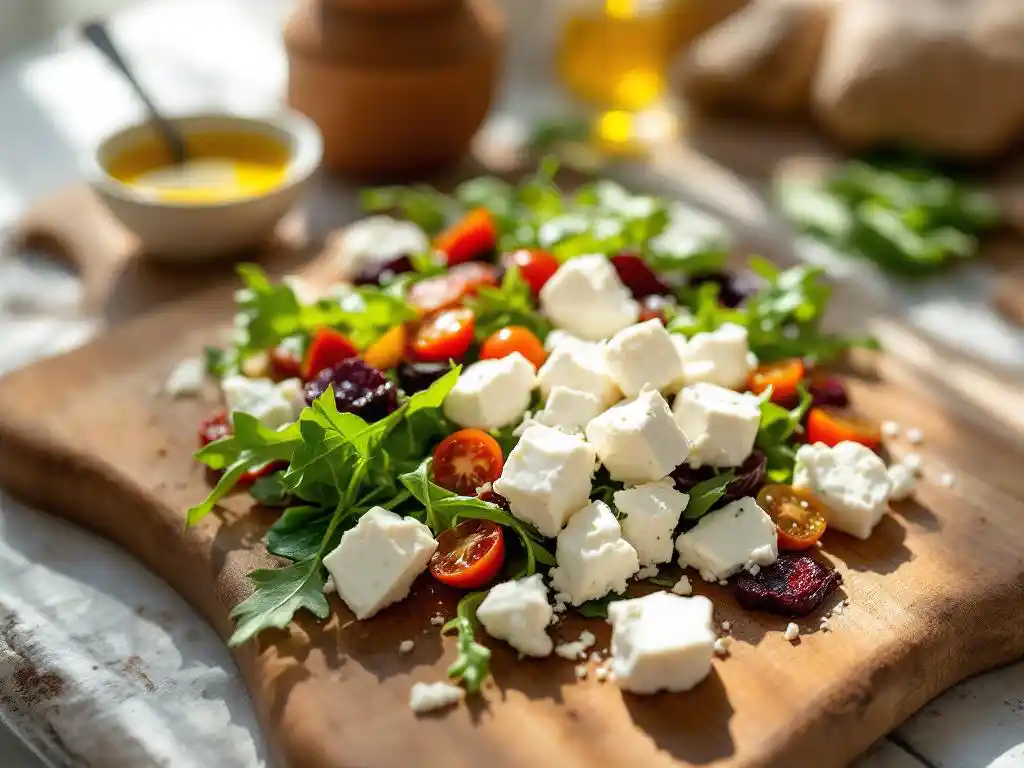
Plant-forward meal concepts integrate goat cheese as a strategic protein component that enhances vegetable-centric dishes while maintaining nutritional balance. This culinary approach prioritises plants while incorporating moderate amounts of high-quality animal proteins, creating satisfying meals that appeal to flexitarian consumers. Goat cheese offers unique advantages for plant-forward menus, providing essential nutrients, sustainable sourcing, and versatile flavour profiles that complement vegetable-based ingredients perfectly.
What exactly are plant-forward meal concepts and why do they matter?
Plant-forward dining represents a culinary philosophy that places vegetables, fruits, whole grains, and plant proteins at the centre of the plate while incorporating smaller portions of animal proteins like goat cheese for flavour and nutritional completeness. This approach differs from vegetarianism by embracing flexibility and balance rather than elimination.
The movement has gained significant momentum in foodservice operations worldwide, driven by consumer demand for healthier, more sustainable dining options. Restaurants, catering companies, and meal kit services increasingly adopt plant-forward menus to meet evolving customer preferences while managing food costs effectively. Environmental consciousness plays a crucial role, as plant-forward meals typically require fewer resources and produce lower carbon emissions than traditional meat-centric dishes.
For foodservice professionals, plant-forward concepts offer operational advantages, including improved profit margins through strategic protein portioning, expanded menu appeal to diverse dietary preferences, and alignment with sustainability initiatives that resonate with modern consumers.
How does goat cheese complement plant-based ingredients nutritionally?
Goat cheese provides complete proteins containing all essential amino acids, making it an ideal complement to plant-based ingredients that may lack certain nutritional components. A typical serving delivers approximately 6 grams of high-quality protein alongside vital nutrients often limited in plant-only diets.
The nutritional synergy between goat cheese and vegetables creates well-rounded meals that satisfy both macro- and micronutrient needs. Goat cheese contributes vitamin B12, which exists almost exclusively in animal products, along with bioavailable calcium and phosphorus that support bone health. Its natural fat content enhances absorption of fat-soluble vitamins A, D, E, and K found abundantly in colourful vegetables.
Digestibility represents another key advantage, as goat cheese contains smaller fat globules and different protein structures compared to cow’s milk products. This makes it easier to digest for many individuals, allowing better nutrient utilisation when combined with fibre-rich plant foods. The combination creates satisfying meals that maintain stable energy levels while providing diverse nutritional benefits.
What makes goat cheese more sustainable than other dairy options?
Goat farming requires significantly fewer environmental resources compared to conventional dairy operations, making goat cheese a more sustainable choice for environmentally conscious foodservice operations. Goats need approximately 85% less land than cows for equivalent milk production and consume less water throughout their lifecycle.
The efficiency of goats stems from their adaptability and feeding habits. These animals thrive on marginal land unsuitable for other agriculture, converting browse and forage into high-quality milk protein more efficiently than larger ruminants. Their smaller carbon footprint results from reduced methane emissions per unit of milk produced and lower feed requirements overall.
For foodservice operations prioritising sustainability, goat cheese offers measurable environmental benefits, including:
- Reduced water consumption throughout production
- Lower greenhouse gas emissions per kilogram of cheese
- Minimal land degradation due to goats’ browsing behaviour
- Support for biodiversity through traditional farming practices
These factors make goat cheese an excellent choice for businesses aiming to reduce their environmental impact while maintaining menu quality and customer satisfaction.
Which plant-forward dishes work best with goat cheese?
Successful plant-forward applications showcase goat cheese as a flavour enhancer and protein component that elevates vegetable-based dishes without overwhelming plant ingredients. Fresh goat cheese works exceptionally well in grain bowls, adding creamy texture and tangy notes that complement nutty whole grains and roasted vegetables.
Roasted vegetable salads benefit from aged goat cheese varieties, which provide sharp, complex flavours that stand up to caramelised vegetables and robust dressings. Plant-based pizzas featuring goat cheese offer lighter alternatives to traditional mozzarella while delivering satisfying richness. The cheese melts differently than cow’s milk varieties, creating appealing texture contrasts with crispy vegetables and herb-infused bases.
Legume-based dishes gain sophistication when enhanced with goat cheese. Mediterranean-inspired preparations combining lentils or chickpeas with crumbled goat cheese create protein-rich meals that satisfy diverse dietary needs. Breakfast concepts represent emerging opportunities, where goat cheese spreads complement vegetable-forward dishes like shakshuka, vegetable frittatas, or avocado toast, providing morning protein in appealing formats.
How do you balance flavours when combining goat cheese with vegetables?
Balancing flavours requires understanding how different goat cheese varieties interact with vegetable preparations and cooking methods. Fresh goat cheese’s tangy, mild profile pairs beautifully with sweet roasted vegetables like beetroot, carrots, and bell peppers, creating harmonious flavour contrasts that enhance both components.
Aged goat cheese varieties offer more assertive flavours that complement bitter greens such as radicchio, endive, and kale. The cheese’s sharpness cuts through bitterness while adding depth and complexity. Herb-infused goat cheeses work particularly well with Mediterranean vegetables, where basil, thyme, or rosemary notes echo similar herbs used in vegetable preparations.
Creating umami-rich combinations involves pairing goat cheese with mushrooms, sun-dried tomatoes, or fermented ingredients. These combinations build layered flavours that satisfy without relying on meat-based umami sources. Temperature contrasts also play important roles, such as warm roasted vegetables topped with cool, creamy goat cheese, creating textural interest alongside flavour balance.
How DeJong Cheese helps with plant-forward meal innovation
We specialise in developing goat cheese products specifically designed for plant-forward applications, understanding the unique requirements of modern foodservice operations. Our comprehensive range includes fresh and aged varieties in bulk packaging formats that support efficient kitchen operations while maintaining consistent quality.
Our expertise in plant-forward meal development offers concrete benefits:
- Custom product development for unique meal concepts and flavour profiles
- Bulk packaging options optimised for foodservice efficiency
- Consistent quality meeting international food safety standards
- Technical support for recipe development and menu innovation
- Flexible ordering to accommodate seasonal menu changes
We work closely with meal kit producers, restaurant chains, and catering companies to create sustainable cheese solutions that enhance plant-forward menus. Our traditional craftsmanship, combined with modern food safety certifications, ensures products that meet both culinary excellence and operational requirements.
Ready to elevate your plant-forward offerings with premium goat cheese? Contact our team to discuss custom solutions for your foodservice operation. Explore our range at authorised sales points or get in touch for personalised support in developing innovative plant-forward concepts.
Frequently Asked Questions
How can I prevent goat cheese from overpowering delicate vegetables in plant-forward dishes?
Start with smaller portions (15-20g per serving) and choose milder fresh goat cheese varieties for delicate vegetables like baby spinach or peas. Crumble or dot the cheese rather than spreading it thickly, and add it as a finishing touch after cooking to maintain distinct flavour profiles. For stronger vegetables like roasted aubergine or grilled courgettes, you can use more assertive aged goat cheeses in slightly larger quantities.
What are the best storage practices for goat cheese in a commercial kitchen setting?
Store fresh goat cheese at 2-4°C in its original packaging or wrapped tightly in cling film to prevent moisture loss and flavour absorption. Aged varieties can be stored at slightly higher temperatures (4-6°C) wrapped in cheese paper or parchment. Always use separate containers for different cheese types, label with opening dates, and implement a first-in-first-out rotation system to maintain optimal quality and reduce waste.
Which cooking methods work best when incorporating goat cheese into hot plant-forward dishes?
Add goat cheese during the final stages of cooking or as a garnish to preserve its texture and flavour. For gratins and baked dishes, place goat cheese on top during the last 5-10 minutes of cooking. When making warm salads or grain bowls, toss vegetables with dressing first, then fold in goat cheese gently to create pockets of creaminess. Avoid high direct heat, which can cause separation and bitter flavours.
How do I calculate the right portion sizes of goat cheese for plant-forward menu costing?
For plant-forward dishes, aim for 20-40g of goat cheese per main course serving, which provides 4-8g of protein while keeping costs manageable. Salads and starters typically require 15-25g portions. Calculate your food cost percentage by dividing the cheese cost by your target selling price, aiming for 25-35% total food cost. Consider that goat cheese’s strong flavour means smaller portions deliver more impact than equivalent amounts of milder cheeses.
What plant-based milk alternatives pair well with goat cheese in hybrid recipes?
Cashew cream and oat milk work exceptionally well with goat cheese in sauces and dressings, as their neutral flavours and creamy textures complement rather than compete. For baking applications, use unsweetened almond or soy milk with goat cheese to maintain proper moisture without adding conflicting flavours. Avoid coconut milk unless specifically designing tropical-themed dishes, as its distinct taste can clash with goat cheese’s tangy profile.
How can I troubleshoot texture issues when goat cheese becomes grainy in hot applications?
Graininess occurs when goat cheese is exposed to excessive heat or acidic ingredients too quickly. To prevent this, bring goat cheese to room temperature before incorporating it into hot dishes, and remove pans from direct heat before stirring it in. If making sauces, create an emulsion by whisking small amounts of hot liquid into the cheese gradually. For soups, blend a portion with goat cheese separately before returning it to the pot.