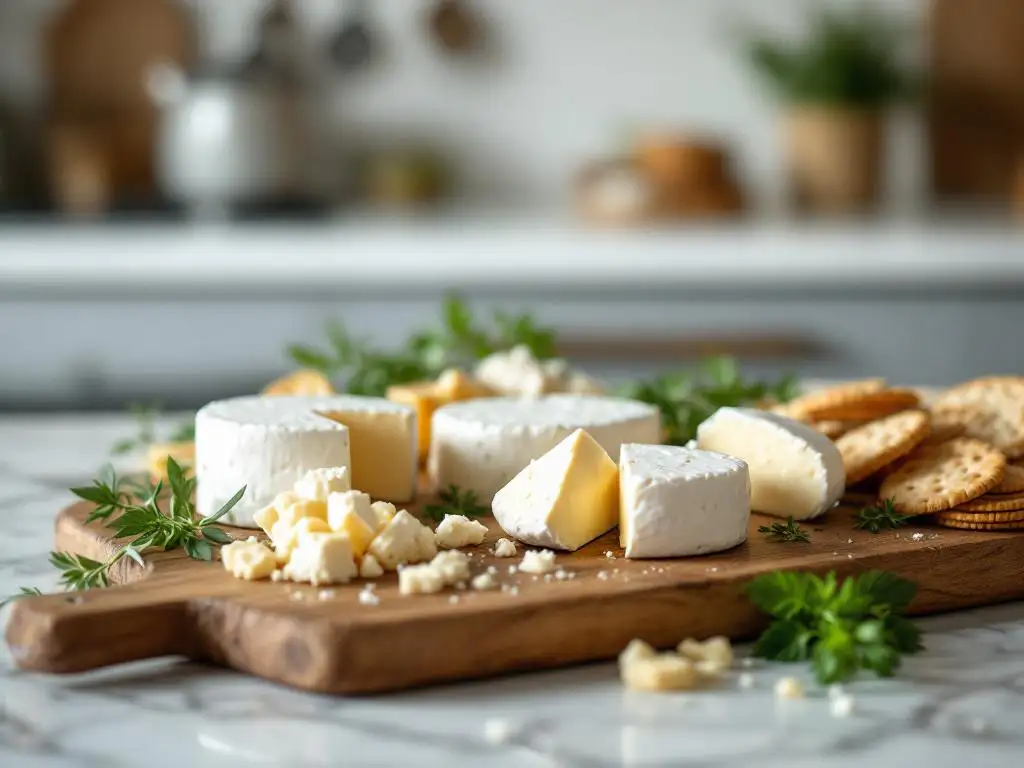
Goat cheese offers exceptional versatility and practical advantages that make it an ideal ingredient for professional catering operations. Its unique properties, including easier digestibility, a longer shelf life than many soft cheeses, and compatibility with diverse menu applications, help caterers meet various dietary preferences while maintaining operational efficiency. From elegant canapés to hearty salads and hot dishes, goat cheese provides caterers with a premium ingredient that enhances both menu appeal and profitability.
What makes goat cheese ideal for catering operations?
Goat cheese excels in catering environments due to its versatile handling characteristics and extended shelf life compared to many traditional dairy products. Fresh goat cheese maintains quality for several weeks when properly stored, while aged varieties offer even longer storage capabilities, reducing waste and improving inventory management for busy catering operations.
The texture of goat cheese makes it particularly suitable for various preparation methods. It spreads easily at room temperature for canapés and sandwiches, crumbles perfectly for salads and garnishes, and melts smoothly for hot applications. This adaptability means caterers can use a single ingredient across multiple menu items, simplifying purchasing and preparation.
Portion control becomes straightforward with goat cheese, as it is available in various formats including logs, rounds, crumbles, and pre-portioned medallions. These options allow precise cost management and consistent presentation across large-scale events. The cheese also holds its shape well on buffet displays and maintains quality throughout extended service periods.
Storage and transport present fewer challenges with goat cheese compared to other premium cheeses. Its stable nature means it travels well to off-site events, and the vacuum-sealed packaging options available for bulk purchases ensure freshness while maximising refrigerator space – a crucial consideration for catering kitchens with limited storage.
How does goat cheese enhance menu diversity and appeal?
Goat cheese creates significant menu differentiation opportunities by offering flavour profiles ranging from mild and creamy to tangy and complex. This variety allows caterers to craft unique dishes that stand out from standard offerings, whether serving corporate events, weddings, or casual gatherings.
The cheese appeals to guests with lactose sensitivities, as goat cheese contains less lactose than cow’s milk cheese and features smaller fat globules that many people find easier to digest. This inclusivity helps caterers accommodate dietary restrictions without creating entirely separate menu options, streamlining kitchen operations while ensuring all guests enjoy premium offerings.
Flavour variations in goat cheese complement both sweet and savoury applications. Fresh varieties pair beautifully with honey, figs, and nuts for dessert options, while herb-crusted or ash-ripened varieties enhance savoury courses. Aged goat cheeses develop complex nutty notes that elevate charcuterie boards and wine pairings.
The visual appeal of goat cheese enhances presentation possibilities. Its bright white colour provides striking contrast on plates, while speciality varieties with herb coatings, edible flowers, or ash rinds add sophisticated visual elements. This aesthetic versatility helps caterers create Instagram-worthy dishes that generate positive social media attention for events.
What are the health benefits of serving goat cheese in catering?
Goat cheese provides superior digestibility compared to many dairy products, containing proteins that break down more easily in the digestive system. The smaller fat molecules and different protein structure mean guests who typically experience discomfort with cow’s milk products often tolerate goat cheese without issues.
Nutritionally, goat cheese delivers high-quality protein with all essential amino acids while typically containing fewer calories than many aged cow’s milk cheeses. It provides significant amounts of vitamin A, B vitamins, calcium, and phosphorus, supporting the growing demand for nutrient-dense menu options in professional catering.
The lower lactose content appeals to health-conscious consumers and those managing digestive sensitivities. Fresh goat cheese contains approximately 4.2% lactose compared to 4.7% in cow’s milk products, while aged varieties contain even less as lactose breaks down during the ageing process.
Modern dietary trends favour goat cheese for its cleaner ingredient profile and traditional production methods. Many varieties contain no additives or preservatives, aligning with consumer preferences for minimally processed foods. This positions goat cheese as a premium, health-forward option that caterers can confidently promote to wellness-oriented clients.
Which goat cheese varieties work best for different catering applications?
Fresh goat cheese serves as the most versatile option for catering, with its creamy texture and mild flavour working equally well in cold preparations like canapés, salads, and spreads, or incorporated into hot dishes such as quiches, tarts, and stuffed vegetables.
Soft-ripened goat cheeses with bloomy rinds offer sophisticated options for cheese boards and plated appetisers. These varieties develop complex flavours as they age, providing caterers with products that can anchor premium menu offerings. They pair exceptionally well with champagne and white wines, making them ideal for cocktail receptions.
Aged goat cheeses bring depth and character to catering menus. Semi-hard and hard varieties grate well for pasta dishes, hold up beautifully on pizza and flatbreads, and provide robust flavours for sandwich applications. Their lower moisture content makes them stable choices for outdoor events or extended service periods.
Flavoured goat cheeses infused with herbs, spices, or other ingredients offer ready-made sophistication. Options like honey-lavender, herb-crusted, or pepper-coated varieties eliminate preparation time while delivering complex flavours. For buffet service, marinated goat cheese in oil provides both visual appeal and extended holding quality.
How can caterers maximise profitability with goat cheese offerings?
Goat cheese commands premium pricing that customers willingly pay for perceived quality and sophistication. By positioning goat cheese dishes as signature offerings, caterers can increase average order values while maintaining reasonable food costs through strategic portioning and menu engineering.
Versatile applications reduce waste significantly. Leftover fresh goat cheese from canapé preparation can be transformed into salad dressings, sandwich spreads, or pasta sauces. Cheese trimmings work perfectly in stuffings or gratins. This complete utilisation improves profit margins while supporting sustainability initiatives.
Bulk purchasing options provide cost advantages for regular users. Many suppliers offer foodservice packaging in larger formats that reduce per-unit costs compared to retail sizes. Vacuum-sealed portions maintain quality for extended periods, allowing caterers to buy in volume during price promotions without risking spoilage.
Creating signature dishes featuring goat cheese establishes menu differentiation that justifies premium pricing. Whether it is a famous goat cheese tart, a unique crostini combination, or an innovative dessert application, these specialities become selling points that clients specifically request, driving both revenue and reputation.
How De Jong Cheese supports professional catering solutions
We understand the unique demands of catering operations and have developed our product range specifically to meet these professional needs. Our Alphenaer brand offers an extensive selection of fresh and ripened goat cheeses available in bulk formats that maximise efficiency and value for catering businesses.
Our support for caterers includes:
- Flexible packaging options from 1kg logs to 5kg bulk containers
- Custom flavour development for signature menu items
- Private label opportunities for exclusive branded offerings
- Consistent year-round quality and availability
- Technical support for recipe development and applications
- Competitive foodservice pricing structures
We maintain the highest food safety certifications, ensuring our products meet the stringent requirements of professional kitchens and international catering operations. Our traditional production methods, combined with modern quality controls, deliver authentic flavours with reliable consistency.
Ready to elevate your catering menu with premium goat cheese? Explore our complete foodservice product range or contact our team to discuss custom solutions for your catering business. Find out where to source our products through our sales locations.
Frequently Asked Questions
How far in advance can I prepare goat cheese canapés for a catering event?
Most goat cheese canapés can be prepared 4-6 hours in advance when stored properly in airtight containers and refrigerated. For optimal freshness and texture, add delicate garnishes like fresh herbs or honey within 1-2 hours of service. Items with crispy bases should be assembled closer to service time to prevent sogginess.
What's the best way to calculate goat cheese portions for large events?
Plan for 30-40g of goat cheese per person for cocktail receptions with multiple offerings, or 60-80g per person if it’s a featured item. For cheese boards, allocate 25-30g per person alongside other cheeses. Always order 10-15% extra to account for preparation loss and ensure adequate backup for unexpected guest counts.
How do I prevent goat cheese from becoming too soft during outdoor summer events?
Keep goat cheese on ice or in chilled display units, rotating stock every 30-45 minutes. Use firmer aged varieties for hot weather events as they hold up better than fresh cheese. Pre-portion items and keep backups refrigerated, bringing out only what’s needed for immediate service.
Which wines pair best with goat cheese for catering wine receptions?
Sauvignon Blanc and Sancerre are classic pairings with fresh goat cheese, while Champagne complements soft-ripened varieties beautifully. For aged goat cheeses, consider light-bodied red wines like Pinot Noir. Offer these specific pairing suggestions on menu cards to enhance the guest experience and demonstrate expertise.
What are common mistakes to avoid when cooking with goat cheese in catering?
Avoid overheating goat cheese as it can become grainy or separate – add it at the end of cooking for hot dishes. Don’t freeze fresh goat cheese as it changes the texture. Always bring cheese to room temperature before spreading to prevent tearing delicate items. Season dishes carefully as goat cheese can be quite salty, especially aged varieties.
How can I accommodate both vegan and dairy-eating guests at the same event?
Create parallel menu items using similar flavour profiles – for instance, herb-crusted goat cheese crostini alongside cashew-based ‘cheese’ versions with identical toppings. Use separate preparation areas and clearly label options. Many goat cheese applications like stuffed peppers or tarts can be made in both versions without doubling your workload.
What's the most cost-effective way to add goat cheese to an existing catering menu?
Start by introducing goat cheese as an upgrade option for existing items – salads, sandwiches, or pizzas – charging a small premium. Use crumbled cheese to extend portions while maintaining impact. Buy versatile fresh logs that work across multiple applications rather than investing in numerous specialty varieties initially.
Related Articles
- What are the benefits of goat cheese spread in a 10 kg bucket for snack fillings?
- What are the consequences of inconsistent cheese quality in a pizza production line?
- What are the advantages of goat cheese over cow cheese in industrial pizza applications?
- What does solar energy in cheese production mean for the CO₂ footprint of curds?
- Why is goat cheese ideal for fresh salad concepts?