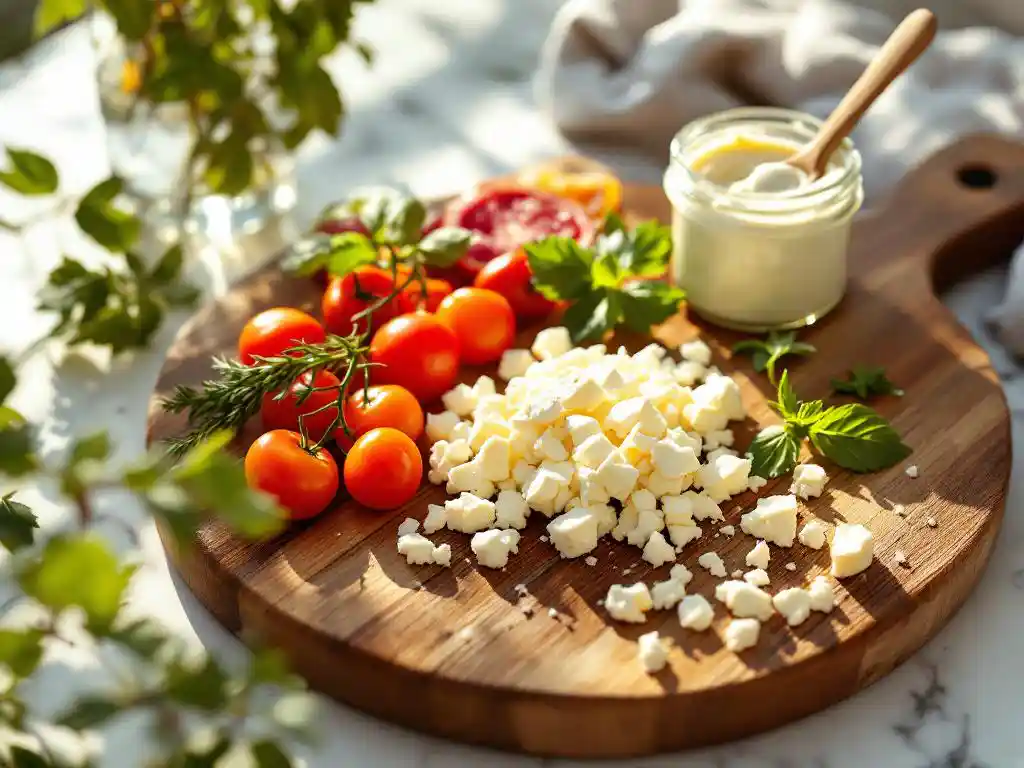
Goat cheese offers food manufacturers a powerful solution for creating clean label products that meet growing consumer demand for transparency and simple ingredients. With naturally minimal processing requirements and traditional production methods, goat cheese provides clean label advantages through its inherently simple ingredient list of milk, cultures, enzymes, and salt. This versatile dairy ingredient supports product development across multiple categories while maintaining the authentic, recognisable ingredients consumers seek in today’s marketplace.
What exactly are clean label products and why do they matter?
Clean label products contain simple, recognisable ingredients without artificial additives, preservatives, or complex chemical names. These products feature minimal processing and transparent ingredient lists that consumers can easily understand. The clean label movement represents a fundamental shift in how food manufacturers approach product development and consumer communication.
Consumer demand for transparency drives the clean label trend as shoppers increasingly scrutinise ingredient lists before making purchasing decisions. Health-conscious consumers seek products that align with their values of natural, wholesome eating. This shift impacts manufacturers, who must reformulate existing products and develop new offerings that meet these evolving expectations.
Food manufacturers face significant challenges in creating clean label products that maintain quality, shelf life, and functionality without traditional preservatives and stabilisers. The trend requires rethinking formulations, sourcing ingredients differently, and often accepting shorter shelf lives. However, companies that successfully develop clean label products often command premium prices and stronger consumer loyalty.
How does goat cheese naturally align with clean label requirements?
Goat cheese inherently meets clean label standards through its traditional production methods and simple ingredient lists. Quality goat cheese typically contains only milk, bacterial cultures, enzymes, and salt, making it an ideal clean label ingredient. The natural fermentation process creates flavour and texture without requiring artificial additives or preservatives.
The nutritional profile of goat cheese supports clean label positioning with naturally occurring vitamins, minerals, and proteins. Goat cheese offers easier digestibility compared to many cow’s milk products due to smaller fat globules and different protein structures. These natural advantages eliminate the need for additional processing or modification that might compromise clean label status.
Traditional cheese-making techniques used for goat cheese production align perfectly with clean label principles. The centuries-old methods of culturing, draining, and ageing create complex flavours naturally. Quality producers maintain these traditional approaches while meeting modern food safety standards, demonstrating that clean label does not mean compromising on safety or quality.
What makes goat cheese different from other dairy in clean label applications?
Goat cheese requires fewer processing steps than many cow’s milk cheeses to achieve desired flavours and textures. The natural white colour of goat cheese eliminates any need for bleaching agents often used in cow’s milk products. This inherent simplicity makes goat cheese particularly suitable for clean label formulations where every ingredient matters.
Consumer perception strongly favours goat cheese as a premium, artisanal ingredient that fits naturally into clean label products. The association with traditional farming and small-scale production enhances its clean label appeal. Goat cheese provides natural shelf stability through its acidity levels and moisture content, reducing reliance on artificial preservatives.
The versatility of goat cheese in various applications sets it apart from other dairy ingredients. Fresh goat cheese works beautifully in cold applications, while aged varieties add complexity to cooked dishes. This flexibility allows manufacturers to use a single clean label ingredient across multiple product lines, simplifying inventory and ingredient declarations.
Which clean label products can benefit most from goat cheese ingredients?
Salads, pizzas, sandwiches, meal kits, and prepared foods represent ideal applications for goat cheese in clean label products. Fresh goat cheese adds creamy texture to salads without requiring artificial emulsifiers or stabilisers. Pizza manufacturers appreciate how goat cheese melts naturally while contributing distinctive flavour that differentiates their products.
Sandwich and wrap manufacturers find goat cheese provides both flavour and functional benefits in clean label applications. The spreadable consistency of fresh goat cheese eliminates the need for modified starches or gums. Meal kit companies value goat cheese for its premium positioning and ability to maintain quality throughout distribution without artificial preservatives.
Prepared food manufacturers discover that goat cheese maintains stability in both hot and cold applications. The natural binding properties help hold ingredients together in stuffed products or layered dishes. Flavour contributions from goat cheese allow reduction of sodium and artificial flavour enhancers while maintaining consumer appeal.
How can manufacturers successfully incorporate goat cheese into clean label products?
Successful incorporation of goat cheese requires understanding its moisture content, pH levels, and melting characteristics. Manufacturers should consider storage temperature requirements and plan for slightly shorter shelf lives compared to products with preservatives. Proper packaging selection helps maintain quality throughout the distribution chain without compromising clean label status.
Formulation considerations include balancing goat cheese with other ingredients to achieve desired flavour profiles and textures. Start with small test batches to understand how goat cheese interacts with other components. Consider both fresh and aged goat cheese options to find the best match for specific applications.
Bulk packaging options for manufacturers include various sizes suitable for different production scales. Customisation possibilities exist for fat content, texture, and flavour intensity to meet specific product requirements. Working closely with goat cheese suppliers ensures consistent quality and helps optimise formulations for both functionality and clean label appeal.
How DeJong Cheese supports clean label product development
We at DeJong Cheese have maintained traditional production methods since 1995, creating goat cheese products that naturally meet clean label requirements. Our commitment to minimal processing and authentic cheese-making techniques results in products with simple, recognisable ingredient lists. We understand the challenges manufacturers face in developing clean label products and provide expertise to help overcome these obstacles.
Our support for clean label product development includes:
- Extensive range of fresh and aged goat cheese options suitable for various applications
- Customisation capabilities to meet specific texture, flavour, and functionality requirements
- Private label options that allow manufacturers to offer premium clean label products under their own brands
- Technical support for formulation optimisation and shelf life management
- Flexible bulk packaging formats designed for efficient manufacturing processes
Our expertise in goat cheese production, combined with our understanding of B2B customer needs, positions us as ideal partners for clean label product development. We work closely with manufacturers to ensure our goat cheese products deliver both the clean label credentials consumers demand and the functionality manufacturers require. Our foodservice solutions are specifically designed to support your manufacturing needs. Contact us to discuss how our traditional goat cheese can support your clean label initiatives.
Frequently Asked Questions
How do I calculate the right amount of goat cheese to use when reformulating existing products for clean label?
Start by replacing your current dairy ingredient at a 1:1 ratio, then adjust based on moisture content and flavour intensity. Goat cheese typically has higher moisture than aged cow’s milk cheeses, so you may need 10-20% less product. Conduct small batch tests and consider that goat cheese’s tangy flavour means you can often reduce other flavour enhancers or salt content in your formulation.
What are the most common mistakes manufacturers make when first working with goat cheese in clean label applications?
The biggest mistakes include overheating goat cheese (which can cause separation), not accounting for its natural acidity when balancing flavours, and expecting the same shelf life as products with preservatives. Additionally, some manufacturers don’t properly communicate the premium value of goat cheese to consumers, missing opportunities to justify higher price points that clean label products often command.
Can goat cheese work in frozen clean label products, and what special considerations apply?
Yes, goat cheese can work in frozen applications, but choose aged varieties over fresh for better freeze-thaw stability. Fresh goat cheese may become grainy after freezing due to moisture separation. For best results, incorporate goat cheese into sauces or mixed preparations rather than using chunks, and consider adding natural stabilisers like tapioca starch if absolutely necessary while maintaining clean label status.
How can I maintain consistent quality when using goat cheese across different production batches?
Establish clear specifications with your supplier for moisture content, pH levels, and fat content, as these directly impact product consistency. Store goat cheese at consistent temperatures (2-4°C) and use FIFO inventory management. Work with suppliers who can provide certificates of analysis for each batch and consider establishing a vendor-managed inventory system for larger operations to ensure fresh product availability.
What certifications should I look for in goat cheese suppliers to support my clean label claims?
Look for suppliers with SQF, BRC, or similar food safety certifications as a baseline. For enhanced clean label credibility, seek suppliers offering organic certification, Non-GMO Project verification, or animal welfare certifications. European suppliers often have additional quality designations like PDO or PGI that reinforce traditional production methods and can strengthen your clean label positioning.
How do I effectively market the goat cheese ingredient to consumers who might be unfamiliar with it?
Focus on the artisanal, traditional aspects of goat cheese and its digestibility benefits rather than just listing it as an ingredient. Use descriptive terms like ‘creamy goat cheese’ or ‘tangy chèvre’ on packaging. Include origin stories or farmer profiles if possible, and consider adding serving suggestions that showcase the goat cheese. Educational back-of-pack content about goat cheese’s nutritional benefits can also help convert hesitant consumers.
Related Articles
- What are the risks of working with an unknown producer of industrial cheese products?
- What ready to heat traybake meals can be developed using goat cheese?
- How can goat cheese add value to deli concepts?
- What equipment is needed for proper goat cheese storage?
- How to handle goat cheese delivery rejections?