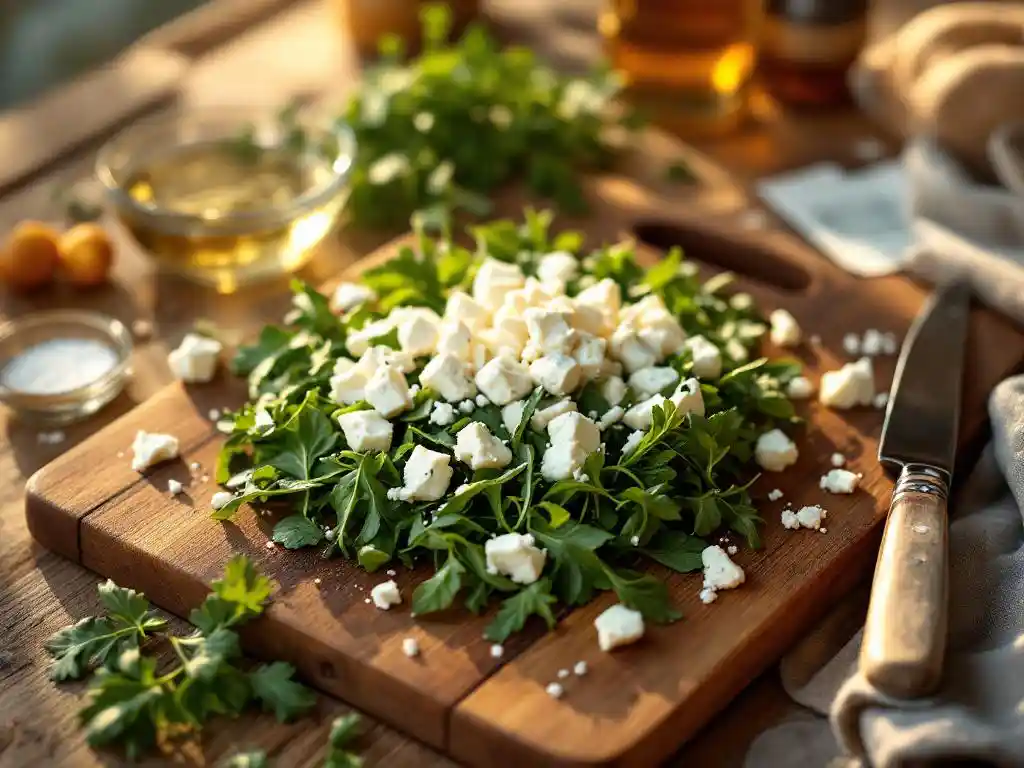
Meal kit companies incorporate goat cheese strategically to enhance recipe variety and customer satisfaction. This versatile cheese adds sophisticated flavour profiles while meeting practical requirements for portion control, shelf stability, and recipe simplicity. Understanding how meal kit services select, source, and use goat cheese reveals the careful balance between culinary excellence and operational efficiency that makes these convenient meal solutions successful.
What makes goat cheese perfect for meal kit recipes?
Goat cheese offers unique advantages for meal kit applications through its versatile flavour profile, convenient portioning capabilities, and ability to elevate simple dishes. Its creamy texture and tangy taste complement various cuisines while maintaining stability during shipping and storage. The cheese’s natural portion control characteristics make it ideal for pre-measured meal kit ingredients.
The versatility of goat cheese allows meal kit companies to incorporate it across multiple recipe categories. Fresh goat cheese crumbles easily over salads and grain bowls, while softer varieties spread smoothly on flatbreads or blend into creamy pasta sauces. This adaptability means companies can feature the same cheese product across diverse menu options, simplifying inventory management while offering variety to customers.
Shelf life considerations play a crucial role in meal kit planning. Goat cheese typically maintains quality for several weeks when properly packaged, providing sufficient time for distribution and home storage. The cheese’s natural acidity helps preserve freshness, reducing spoilage concerns that affect other dairy products. This extended shelf life allows meal kit companies to include goat cheese in weekly deliveries without compromising quality or safety.
Portion control benefits make goat cheese particularly attractive for meal kit applications. Unlike harder cheeses that require precise cutting or grating, goat cheese naturally portions into medallions, crumbles, or spreadable amounts. This characteristic simplifies both packaging at the facility and usage by home cooks, ensuring consistent results and reducing food waste.
How do meal kit companies source and select their goat cheese?
Meal kit companies follow rigorous sourcing processes when selecting goat cheese suppliers, prioritising consistent quality, reliable supply chains, and appropriate certifications. They evaluate potential partners based on production capacity, packaging flexibility, and ability to meet food safety standards. Long-term partnerships with established dairy producers ensure steady availability and quality control.
Quality standards form the foundation of supplier selection. Meal kit companies require consistent texture, flavour profiles, and appearance across all deliveries. Suppliers must demonstrate controlled production processes that deliver uniform products meeting specific moisture content, acidity levels, and sensory characteristics. Regular quality audits and testing protocols verify that these standards are maintained throughout the partnership.
Packaging considerations significantly influence supplier choice. Ideal packaging solutions protect cheese integrity while minimising environmental impact. Suppliers offering custom portion sizes, resealable options, and cold-chain-compatible materials gain preference. The packaging must withstand transportation stress, temperature fluctuations, and extended storage periods without compromising product quality.
Certification requirements vary based on market demands and company values. Most meal kit services require basic food safety certifications, while others seek organic, animal welfare, or sustainability credentials. Suppliers with comprehensive certification portfolios can serve diverse meal kit company needs, from budget-conscious options to premium organic offerings.
What types of goat cheese work best in meal kit portions?
Fresh crumbled goat cheese varieties dominate meal kit selections due to their versatility and ease of use. These cheeses maintain their texture during shipping and require minimal preparation by home cooks. Aged goat cheese options appear less frequently but add sophistication to premium meal kits. The selection depends on recipe requirements, price points, and target customer preferences.
Fresh goat cheese in log or medallion format provides maximum flexibility for meal kit recipes. These formats allow easy portioning into exact weights needed for individual servings. The cheese maintains its shape during transport yet crumbles or spreads easily during cooking. This versatility makes fresh goat cheese suitable for everything from simple salads to complex baked dishes.
Pre-crumbled goat cheese offers convenience advantages for both meal kit companies and customers. This format eliminates preparation steps, reducing cooking time and complexity. The crumbles distribute evenly throughout dishes, ensuring consistent flavour in every bite. Packaging innovations keep crumbles separate and fresh, preventing clumping during storage and transport.
Texture considerations guide cheese selection for specific recipe applications. Creamy, spreadable varieties work best for appetisers and sandwiches, while firmer textures suit grilling or baking applications. Some meal kit companies offer speciality flavoured goat cheeses infused with herbs or spices, adding recipe complexity without additional ingredients or preparation steps.
How do meal kit companies ensure goat cheese freshness during delivery?
Meal kit companies employ sophisticated cold chain management systems to maintain goat cheese quality from warehouse to customer doorstep. Temperature-controlled packaging, insulated box liners, and gel ice packs work together to keep cheese within safe temperature ranges. Advanced logistics planning minimises transit time, while monitoring systems track temperature throughout the delivery process.
Packaging innovations specifically designed for cheese products prevent quality degradation during shipping. Modified atmosphere packaging removes oxygen and replaces it with inert gases, extending freshness without preservatives. Vacuum-sealed portions eliminate air exposure while maintaining product integrity. These technologies allow goat cheese to arrive at customers’ homes in peak condition.
Temperature control methods vary based on delivery distance and seasonal considerations. Summer deliveries require additional cooling elements, while winter shipments need protection from freezing. Smart packaging solutions include phase-change materials that maintain consistent temperatures longer than traditional ice packs. Some companies use data loggers to monitor temperature fluctuations and adjust packaging protocols accordingly.
Shelf life optimisation techniques extend beyond packaging to include strategic inventory management. Meal kit companies coordinate with suppliers to receive fresh cheese shipments aligned with delivery schedules. First-in, first-out rotation ensures customers receive the freshest possible products. Clear date labelling and storage instructions help customers maintain quality after delivery.
Which meal kit recipes feature goat cheese most successfully?
Salads and grain bowls represent the most successful applications for goat cheese in meal kits, offering simple assembly with impressive results. Pasta dishes featuring goat cheese-based sauces provide comfort food appeal with minimal cooking complexity. Flatbreads and pizzas showcase goat cheese as a premium topping that differentiates meal kit offerings from standard takeaway options.
Mediterranean-inspired recipes particularly benefit from goat cheese inclusion. The cheese pairs naturally with ingredients like sun-dried tomatoes, olives, and fresh herbs common in these cuisines. Meal kit companies successfully feature goat cheese in Greek-style salads, Italian pasta dishes, and French-inspired tarts. These familiar flavour combinations reduce customer hesitation while introducing new cooking techniques.
Vegetarian meal options rely heavily on goat cheese to provide protein and satisfying richness. Plant-forward recipes featuring roasted vegetables, whole grains, and legumes gain complexity and appeal with goat cheese additions. The cheese transforms simple vegetable dishes into complete, satisfying meals that appeal to both vegetarians and meat-eaters seeking variety.
Recipe development for meal kits considers cooking skill levels and time constraints. Successful goat cheese applications require minimal technique while delivering maximum flavour impact. No-cook options like salads allow customers to experience goat cheese without intimidation. Simple warming or melting applications introduce gentle cooking techniques that build confidence for more complex future recipes.
How DeJong Cheese helps meal kit companies with goat cheese solutions
We specialise in creating custom goat cheese solutions specifically designed for meal kit company needs. Our traditional craftsmanship combined with modern packaging capabilities ensures consistent quality and reliable supply for your meal kit operations. With over 25 years of experience and the highest food safety certifications, we understand the unique challenges meal kit companies face in delivering fresh, high-quality cheese products to customers.
Our comprehensive support for meal kit partners includes:
- Custom portion sizes tailored to your recipe requirements
- Flexible packaging formats optimised for cold chain distribution
- Private label options to strengthen your brand identity
- Consistent quality standards meeting international certifications
- Bulk packaging solutions for efficient warehouse operations
- Recipe development support from our cheese experts
- Reliable supply chain serving over 20 countries
We offer both our premium Alphenaer brand and private label solutions, allowing meal kit companies to choose the best fit for their market positioning. Our team of 55 dedicated professionals ensures personalised service and a quick response to your changing needs. Whether you need fresh crumbled goat cheese for summer salads or aged varieties for gourmet winter recipes, we provide the flexibility and expertise to support your menu development.
Ready to enhance your meal kit offerings with premium goat cheese? Contact our team directly to discuss your specific requirements and explore our complete product range.
Frequently Asked Questions
How far in advance should meal kit companies order goat cheese to ensure freshness upon delivery?
Most meal kit companies should place goat cheese orders 2-3 weeks before their planned delivery date to customers. This timeline allows for production scheduling, quality testing, and coordination with cold chain logistics while ensuring the cheese arrives with maximum shelf life remaining. Working with suppliers who offer flexible ordering schedules and maintain buffer stock can help accommodate last-minute menu changes or unexpected demand spikes.
What are the most common mistakes meal kit companies make when incorporating goat cheese into their recipes?
The biggest mistakes include overcomplicating recipes that require extensive goat cheese preparation, selecting varieties with too short a shelf life, and failing to provide clear storage instructions to customers. Additionally, some companies underestimate the importance of portion size accuracy – too little cheese disappoints customers while too much overwhelms the dish and increases costs. Proper recipe testing with real customers helps avoid these pitfalls.
How can meal kit companies calculate the right portion size of goat cheese per serving?
Standard portions typically range from 25-40 grams per serving, depending on whether goat cheese serves as a garnish, flavour accent, or main protein source. For salads and grain bowls, 25-30 grams provides sufficient impact, while pasta dishes may require 35-40 grams for a creamy sauce. Testing recipes with target customers and analysing feedback helps refine portions to balance satisfaction with cost efficiency.
What backup options should meal kit companies have if goat cheese becomes temporarily unavailable?
Establish relationships with multiple goat cheese suppliers to ensure continuity, and consider having pre-approved substitution options like feta or ricotta for certain recipes. Create a substitution matrix that matches flavour profiles and textures for each recipe type. Having frozen goat cheese crumbles as an emergency backup can also help, though fresh is always preferred for optimal quality.
How do seasonal temperature changes affect goat cheese shipping requirements for meal kits?
Summer months require 20-30% more cooling materials and may necessitate expedited shipping to maintain safe temperatures below 4°C. Winter presents freezing risks that can damage cheese texture, requiring insulation adjustments. Smart meal kit companies develop seasonal packaging protocols and may even adjust delivery schedules during extreme weather events to ensure cheese quality.
What certifications should meal kit companies prioritise when selecting goat cheese suppliers?
Essential certifications include HACCP or BRC for food safety, while ISO 22000 demonstrates comprehensive quality management. For premium meal kit services, organic certification and animal welfare standards like Certified Humane add value. Halal or Kosher certifications expand market reach. Prioritise suppliers who can provide multiple certifications to serve diverse customer segments without managing multiple vendors.