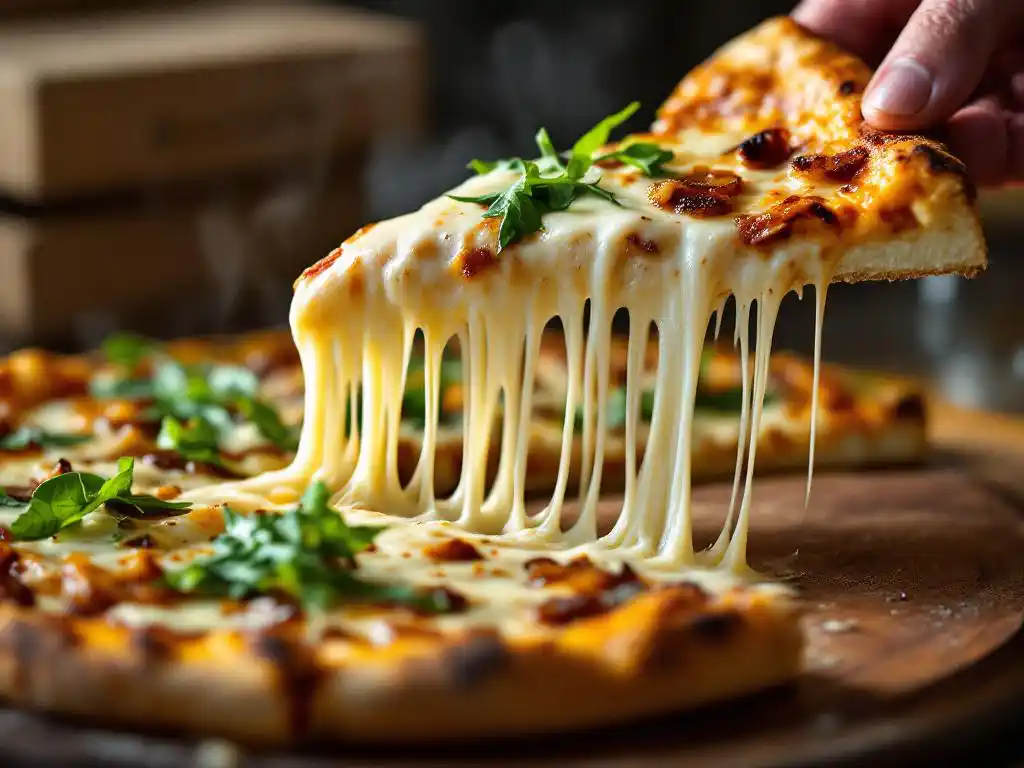
Pizza chains are increasingly incorporating goat cheese into their menus to meet growing consumer demand for premium, artisanal options. This versatile cheese offers a distinctive tangy flavour and creamy texture that complements both traditional and innovative pizza combinations. Understanding how to successfully integrate goat cheese requires careful consideration of supplier selection, operational procedures, and staff training to ensure consistent quality and customer satisfaction.
What makes goat cheese attractive for pizza chains?
Goat cheese provides pizza chains with a unique flavour profile that sets their offerings apart from competitors. Its tangy, slightly earthy taste and creamy texture create a sophisticated alternative to traditional mozzarella, appealing to customers seeking premium dining experiences. The cheese melts differently from cow’s milk cheeses, creating strong visual appeal with its characteristic white colour and soft, spreadable consistency.
Consumer demand for goat cheese pizzas reflects broader market trends towards artisanal and speciality ingredients. Health-conscious diners appreciate that goat cheese is often easier to digest than cow’s milk cheese and contains different protein structures that some find more tolerable. The cheese also contains less lactose and offers a different nutritional profile, making it attractive to customers with specific dietary preferences or sensitivities.
Premium positioning opportunities make goat cheese particularly valuable for pizza chains looking to expand their market reach. By offering goat cheese options, restaurants can justify higher price points while attracting adventurous diners who are willing to pay more for unique flavour experiences. This positioning helps chains differentiate themselves in competitive markets where traditional pizza offerings have become commoditised.
How do pizza chains select the right goat cheese suppliers?
Selecting reliable goat cheese suppliers requires pizza chains to evaluate multiple criteria beyond basic price considerations. Consistent quality standards form the foundation of supplier selection, as variations in taste, texture, or melting properties can significantly impact customer satisfaction. Chains need suppliers who maintain strict quality control throughout production and can guarantee uniform products across multiple deliveries.
Food safety certifications represent non-negotiable requirements for pizza chain suppliers. International certifications such as BRC, IFS, or FSSC 22000 demonstrate a supplier’s commitment to food safety and their ability to meet stringent industry standards. These certifications become particularly important for chains operating across multiple regions or countries, ensuring compliance with various regulatory requirements.
Flexibility in packaging formats significantly influences supplier selection decisions. Pizza chains require various goat cheese formats to suit different operational needs:
- Pre-crumbled cheese for quick, portion-controlled application
- Logs or blocks for chains preferring to prepare cheese in-house
- Pre-portioned medallions for consistent sizing on speciality pizzas
- Bulk packaging options for high-volume operations
Reliable delivery capabilities ensure uninterrupted operations across all restaurant locations. Suppliers must demonstrate robust logistics networks capable of maintaining proper cold chain management while meeting delivery schedules. This reliability becomes crucial for chains operating just-in-time inventory systems or those with limited storage capacity.
What are the most popular goat cheese pizza combinations?
Mediterranean-inspired pizzas featuring goat cheese consistently rank among customer favourites. The classic combination of goat cheese with spinach, sun-dried tomatoes, and kalamata olives creates a balanced flavour profile that highlights the cheese’s tangy notes. Adding fresh herbs like basil or oregano enhances the Mediterranean theme while providing aromatic appeal.
Fig and prosciutto pizzas showcase goat cheese in upscale combinations that justify premium pricing. The sweetness of caramelised figs complements the cheese’s tanginess, while prosciutto adds savoury depth. This combination works particularly well with a drizzle of balsamic reduction, creating a sophisticated flavour experience that appeals to discerning customers.
Vegetarian options featuring goat cheese attract health-conscious diners and those seeking meat-free alternatives. Popular combinations include:
- Caramelised onions with fresh thyme and goat cheese
- Roasted red peppers, courgette, and goat cheese with a pesto base
- Beetroot, rocket, and goat cheese with a walnut garnish
- Mushroom medley with truffle oil and goat cheese
Seasonal menu opportunities allow chains to experiment with goat cheese combinations that reflect local produce availability. Spring pizzas might feature asparagus and goat cheese, while autumn offerings could combine roasted butternut squash with goat cheese and sage. These seasonal variations keep menus fresh while capitalising on ingredient availability and customer interest in seasonal dining.
How do pizza chains train staff to work with goat cheese?
Proper storage procedures form the foundation of staff training for goat cheese handling. Staff must understand that goat cheese requires consistent refrigeration at temperatures between 2–4°C, with particular attention to avoiding temperature fluctuations. Training emphasises the importance of first-in, first-out rotation and recognising signs of spoilage, as goat cheese has a shorter shelf life than many traditional pizza cheeses.
Portion control techniques ensure consistent product usage and cost management. Staff learn to use standardised portioning tools or pre-portioned products to maintain uniformity across pizzas. Training covers the differences in goat cheese application compared to mozzarella, as goat cheese does not stretch or spread in the same manner.
Application methods require specific attention during training to achieve optimal results. Staff must learn to distribute goat cheese evenly across the pizza surface, typically in small dollops or crumbles rather than attempting to spread it like traditional cheese. This technique ensures proper melting and prevents the cheese from becoming too liquid during cooking.
High-temperature cooking considerations present unique challenges when working with goat cheese. Training covers:
- Optimal oven temperatures to prevent burning while ensuring proper melting
- Timing adjustments when goat cheese is the primary cheese
- Techniques for adding goat cheese partway through cooking for delicate applications
- Visual cues indicating when goat cheese pizzas are properly cooked
What operational challenges do pizza chains face with goat cheese?
Shorter shelf life compared to traditional cheeses creates inventory management challenges for pizza chains. Goat cheese typically maintains quality for 2–3 weeks when properly stored, compared to several months for aged cow’s milk cheeses. This shortened timeframe requires more frequent deliveries and careful demand forecasting to minimise waste while ensuring product availability.
Temperature sensitivity throughout the supply chain demands rigorous cold chain management. Goat cheese quality deteriorates rapidly when exposed to temperature fluctuations, affecting both texture and flavour. Chains must invest in proper refrigeration equipment and train staff to minimise time spent at room temperature during preparation.
Cost management strategies become essential given goat cheese’s premium pricing compared to standard pizza cheeses. Chains address this challenge through:
- Menu engineering to ensure appropriate profit margins on goat cheese pizzas
- Combination offerings that blend goat cheese with other cheeses to control costs
- Targeted marketing to customers willing to pay premium prices
- Efficient portioning systems to prevent overuse
Maintaining consistency across multiple locations requires standardised procedures and regular quality audits. Variations in storage conditions, handling practices, or cooking techniques between locations can result in inconsistent customer experiences. Successful chains develop detailed standard operating procedures and conduct regular training refreshers to ensure all locations deliver the same quality.
How DeJong Cheese helps pizza chains with goat cheese integration
We understand the unique challenges pizza chains face when introducing goat cheese to their menus. Our comprehensive support system addresses every aspect of successful integration, from initial product selection through to ongoing operational excellence. With nearly three decades of experience in traditional cheese production, we have developed solutions specifically tailored to foodservice needs.
Our support for pizza chains includes:
- Flexible bulk packaging options designed for efficient kitchen operations
- Consistent quality through traditional production methods perfected since 1995
- International food safety certifications (BRC, IFS, FSSC 22000) ensuring compliance
- Custom product development for unique menu applications
- Technical support for handling and preparation procedures
- Reliable delivery to over 20 countries with maintained cold chain integrity
We offer various goat cheese formats specifically developed for pizza applications, including pre-crumbled options for quick service and portion-controlled medallions for consistent presentation. Our team provides hands-on training support to ensure your staff maximises product quality while minimising waste.
Ready to elevate your pizza menu with premium goat cheese? Explore our complete range of solutions for pizza chains. For personalised consultation about integrating goat cheese into your operations, contact our team directly. Discover why leading pizza chains across Europe trust DeJong Cheese for their speciality cheese needs.
Frequently Asked Questions
How much more expensive is goat cheese compared to mozzarella, and how can we justify the cost to customers?
Goat cheese typically costs 40-60% more than standard mozzarella, but you can justify this through strategic menu pricing and marketing. Position goat cheese pizzas as premium artisanal offerings, emphasise the unique flavour profile and health benefits, and consider using a blend of goat cheese with mozzarella to control costs while maintaining the distinctive taste. Many chains successfully charge £2-4 more for goat cheese pizzas, which customers willingly pay for the premium experience.
What's the best way to prevent goat cheese from burning in high-temperature pizza ovens?
To prevent burning, add goat cheese during the last 2-3 minutes of cooking rather than at the beginning, or place it under other toppings for protection. Alternatively, reduce oven temperature by 10-15°C when cooking goat cheese pizzas, or position them in cooler spots within the oven. Some chains successfully use a two-stage cooking process: baking the base with other toppings first, then adding goat cheese for a final quick blast.
How can we minimise waste given goat cheese's shorter shelf life?
Implement a demand forecasting system based on historical sales data to order appropriate quantities, and consider starting with goat cheese as a limited-time offer to gauge demand. Use pre-portioned products to extend usability, cross-utilise goat cheese in salads or appetisers to increase turnover, and train staff to properly date and rotate stock. Many successful chains also freeze portion-controlled goat cheese for up to one month without significant quality loss.
What are the most common customer complaints about goat cheese pizzas and how do we address them?
The most common complaints include ‘too strong’ flavour, uneven melting, and texture issues. Address these by offering goat cheese blended with mozzarella for milder options, training staff on proper distribution techniques (small, evenly-spaced dollops), and ensuring proper temperature control throughout service. Create menu descriptions that accurately set expectations about goat cheese’s unique characteristics, and consider offering samples to hesitant customers.
Should we offer goat cheese as a standard topping option or only on specialty pizzas?
Start by featuring goat cheese on 2-3 signature specialty pizzas to control quality and build demand, then evaluate customer response before offering it as a standard topping. This approach allows better inventory management, ensures proper staff training on specific combinations, and positions goat cheese as a premium option. Once established, you can offer it as a premium topping upgrade for an additional charge, typically £1.50-2.50.
What equipment modifications or additions do we need for proper goat cheese storage and handling?
Most chains require dedicated refrigeration space at 2-4°C with minimal temperature fluctuation, ideally with separate storage from strong-smelling ingredients. Invest in portion-control tools like small scoops or scales for consistent application, and ensure all prep areas have easy access to refrigeration. Some chains benefit from blast chillers for quickly cooling pre-portioned goat cheese, and sealed containers are essential for preventing moisture loss and contamination during service.
Related Articles
- How do you use the story of a family business as a marketing asset in product development?
- What are the sustainability benefits of choosing a local cheese supplier?
- How to calculate total cost of ownership for goat cheese procurement?
- What are goat cheese and cranberry recipes?
- Does goat cheese have probiotics?