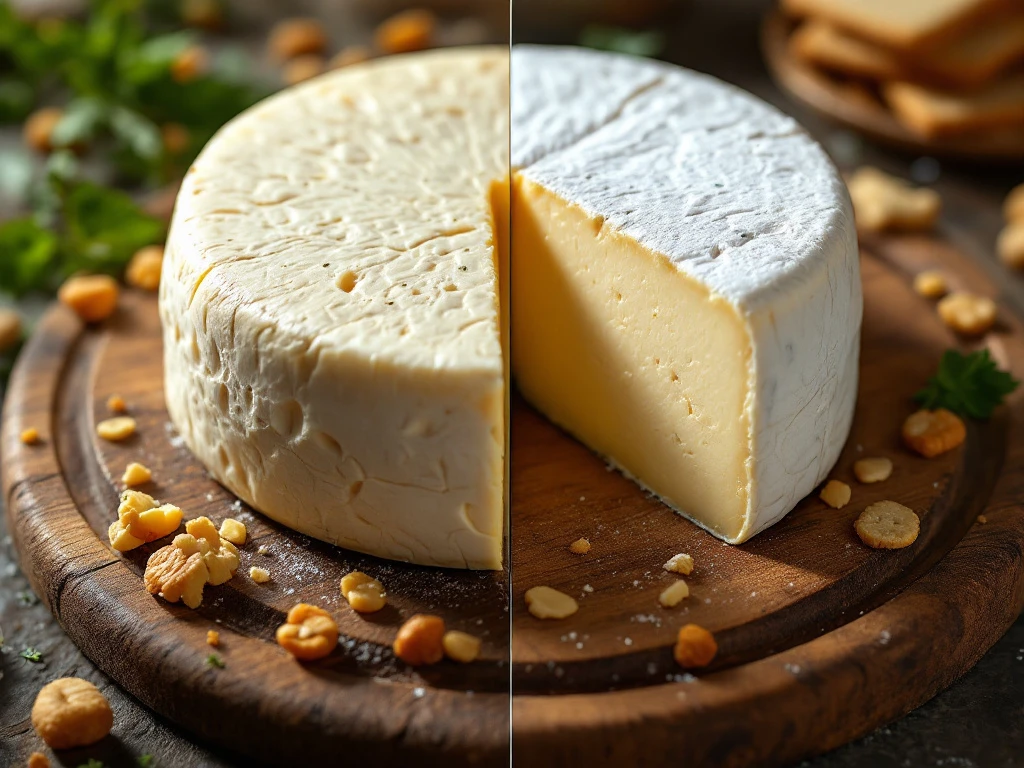
Goat cheese and vegan cheese are two different types of cheese. Each type has special features that work for different diets and tastes. Goat cheese is a traditional dairy product made from goat’s milk. It uses fermentation and aging processes. Vegan cheese is made completely from plant ingredients like nuts, soy, or coconut oil. The main differences go beyond just ingredients. They also have different nutrition, how easy they are to digest, and how you can cook with them. Your choice depends on your diet needs, health concerns, and what tastes you like.
What are the main differences between goat cheese and vegan cheese?
The biggest difference between goat cheese and vegan cheese is where they come from and how they are made. Goat cheese comes from goat’s milk. It uses traditional dairy methods with bacterial cultures, rennet, and aging techniques that people have used for hundreds of years. Vegan cheese uses plant ingredients like cashews, almonds, soy, or coconut oil. These are mixed with cultures, thickeners, and flavors to copy traditional cheese.
The proteins in these cheeses are very different. Goat cheese has casein and whey proteins that naturally exist in goat’s milk. These proteins create the texture through coagulation. These proteins give you all the amino acids your body needs. Vegan cheeses use plant proteins that work differently when processed. They often need extra binding agents or fermentation techniques to feel like cheese.
The fat sources also make these products different. Goat cheese fat comes from milk fat globules, which are naturally smaller than those in cow’s milk. This makes the creamy texture and easier digestion. Vegan cheese fats usually come from nuts or added oils. This creates different melting properties and mouth feel. The nutrition shows these basic differences. Goat cheese gives you animal-based nutrients while vegan alternatives offer plant compounds with their own special benefits.
How do the nutrition facts of goat cheese and vegan cheese compare?
Goat cheese and vegan cheese have very different nutrition that shows their different sources. Goat cheese usually has 6-8 grams of protein per ounce, with complete amino acids that your body can easily use. Vegan cheeses generally have 1-4 grams of protein per ounce, though cashew-based types can have higher levels. The protein quality is different because animal proteins work better in your body than most plant sources.
The fat content is quite different between these options. Goat cheese has mainly saturated fats from milk, averaging 6-9 grams per ounce. It has helpful medium-chain fatty acids that support your metabolism. Vegan cheeses often have similar fat levels but from plant sources. They may include healthier unsaturated fats depending on the main ingredients. Carbohydrate content is usually low in goat cheese (under 1 gram per ounce), while vegan types may have 2-5 grams from added starches or natural nut carbohydrates.
Vitamin and mineral content shows another big difference. Goat cheese naturally gives you calcium (200-300mg per ounce), vitamin B12, phosphorus, and riboflavin in forms your body can easily use. Vegan cheeses often need added vitamins to match these levels, and your body may not absorb them as well. Goat cheese also has natural probiotics from the fermentation process, while vegan alternatives may or may not include helpful bacteria depending on how they are made.
What makes goat cheese easier to digest than other dairy cheeses?
Goat cheese is easier to digest because of several special features of goat milk. The fat globules in goat milk are naturally smaller than those in cow’s milk. This lets digestive enzymes work better. This structural difference means your stomach can break down goat cheese more easily, reducing digestive problems often linked with dairy consumption. Also, goat milk has higher levels of medium-chain fatty acids, which your body absorbs directly without needing bile salt help.
The protein structure in goat cheese helps make it easier to digest. Goat milk has mainly A2 beta-casein proteins, while cow’s milk usually has both A1 and A2 types. The A2 protein breaks down differently during digestion, making fewer inflammatory compounds that can cause digestive problems. This difference makes goat cheese a good option for many people who have problems with cow’s milk products but don’t have true lactose intolerance.
Lactose content in goat cheese is naturally lower than in cow’s milk cheese, especially in aged varieties where fermentation reduces lactose levels more. Fresh goat cheese has about 2-3% lactose compared to 4-5% in cow’s milk products. Vegan cheese has no lactose at all, making it good for those with severe lactose intolerance. However, vegan cheese has no dairy proteins, so different digestive things apply, such as possible reactions to nuts or soy in sensitive people.
Which cheese option works better for different dietary needs?
For lactose intolerance, the choice depends on how severe it is. Mild cases often handle goat cheese well because of its lower lactose content and easier digestion, especially aged varieties where lactose is very low. Severe lactose intolerance requires complete avoidance of dairy, making vegan cheese the only suitable option. Those with cow milk protein allergies might find goat cheese acceptable, as the protein structure is different, though cross-reactions can happen in some people.
Vegan cheese works for those following plant-based diets only, whether for ethical, environmental, or health reasons. It fits vegan lifestyles completely while giving cheese-like experiences in cooking and eating. However, common vegan cheese ingredients like nuts, soy, or coconut can cause allergies in sensitive people. Nut-based varieties are risky for those with tree nut allergies, while soy-based options may not work for those avoiding soy products.
Health conditions affect cheese choices a lot. Goat cheese’s lower cholesterol and easier digestion help those managing heart health while still eating dairy. The natural probiotics in traditionally made goat cheese support gut health. Vegan cheeses offer cholesterol-free alternatives and may give helpful plant compounds, though nutrition varies widely between brands and types. Individual tolerance and nutrition needs should guide your choice, considering both immediate digestive comfort and long-term health goals.
How do taste and texture differ between goat cheese and vegan cheese?
Goat cheese has a special tangy, slightly tart flavor that ranges from mild in fresh varieties to strong in aged types. This special taste comes from capric, caprylic, and caproic fatty acids unique to goat’s milk. Fresh goat cheese like our Alphenaer varieties gives a clean, bright flavor that works well with both sweet and savory foods. Aged goat cheeses develop complex, earthy notes with different intensity depending on ripening time and conditions.
Vegan cheese flavors vary a lot based on main ingredients and how they are made. Cashew-based varieties tend to be mild and creamy and can successfully copy certain soft cheeses. Fermented nut cheeses develop more complex flavors through aging, though they rarely achieve the depth of traditional dairy cheeses. Coconut oil-based versions often have subtle coconut undertones, while soy-based alternatives may have beany notes that makers work to reduce through flavoring.
Texture differences are especially notable in cooking. Goat cheese melts smoothly when heated, making it perfect for sauces, pizzas, and gratins. Fresh varieties spread easily at room temperature, while aged types crumble beautifully over salads. Vegan cheeses show different melting properties – some newer types melt well, while others keep their shape when heated. The mouth feel is different too, with goat cheese giving special creaminess from milk proteins and fats, while vegan alternatives achieve creaminess through different ways, sometimes resulting in slightly different sensory experiences. Both can work wonderfully in appropriate uses when their unique properties are understood and used well.
Understanding the differences between goat cheese and vegan cheese helps you make informed choices based on individual needs and preferences. Goat cheese offers traditional dairy nutrition with better digestibility, making it suitable for many who have problems with cow’s milk products. Vegan cheese gives completely plant-based alternatives that work for strict dietary needs while continuing to improve in taste and texture. Whether choosing goat cheese for its special flavor and nutrition or vegan alternatives for dietary needs, both options serve important roles in modern cooking. At DeJong Cheese, we specialize in making exceptional goat cheeses that show the best qualities of this versatile dairy product, from fresh spreads to aged specialties, supporting both traditional cheese lovers and those seeking easier-to-digest dairy options.