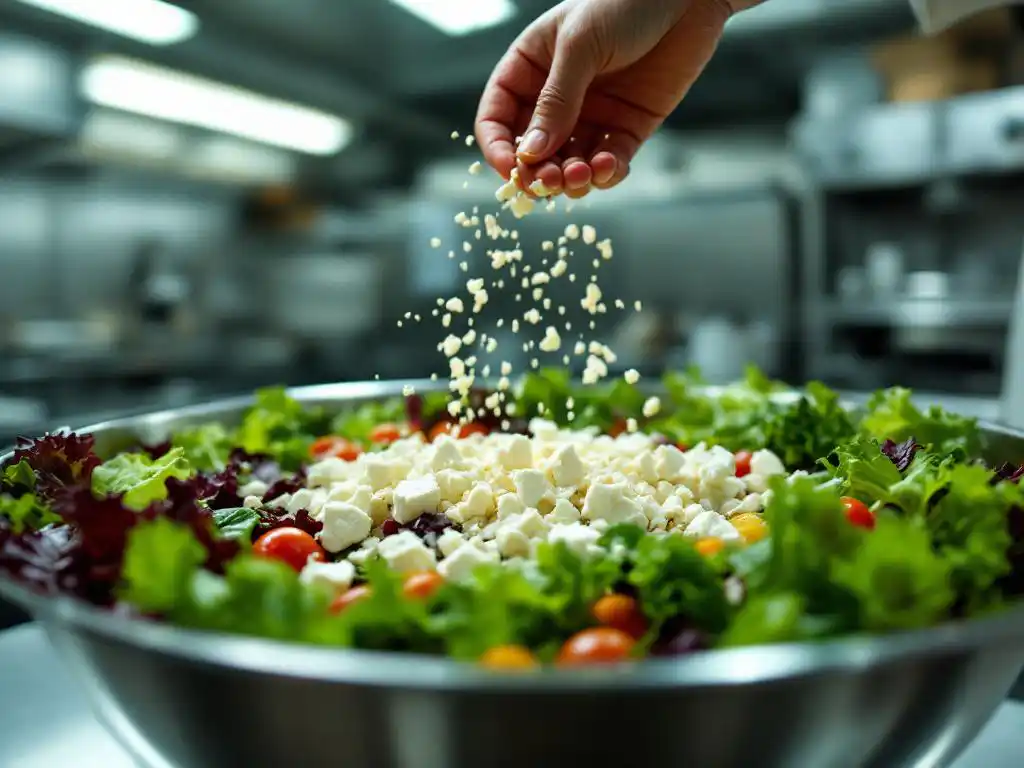
Goat cheese has become a premium ingredient in industrial meal salad production, offering unique properties that enhance both quality and consumer appeal. Its creamy texture, distinctive tangy flavour, and excellent stability make it particularly suitable for large-scale salad manufacturing. Food manufacturers increasingly choose goat cheese to create differentiated products that command premium positioning while maintaining consistent quality throughout extended shelf life. Understanding how to incorporate goat cheese effectively into industrial salad production can transform standard offerings into gourmet meal solutions.
What makes goat cheese ideal for industrial meal salad production?
Goat cheese possesses unique characteristics that make it exceptionally suitable for industrial salad applications. Its natural crumbly texture maintains integrity during processing and packaging, while its lower moisture content compared to fresh mozzarella prevents salads from becoming soggy. The cheese’s tangy flavour profile complements a wide range of ingredients without overpowering delicate greens or other components.
The protein structure in goat cheese provides remarkable stability during temperature fluctuations common in industrial settings. Unlike many soft cheeses, goat cheese retains its texture whether served cold or at room temperature, making it ideal for grab-and-go meal salads. Its naturally white colour remains consistent without artificial additives, appealing to health-conscious consumers seeking clean-label products.
From a nutritional standpoint, goat cheese offers easier digestibility due to smaller fat globules and a different protein composition compared to cow’s milk cheese. This characteristic allows manufacturers to market their salads to consumers with mild lactose sensitivities, expanding their potential customer base. The cheese also provides essential nutrients, including calcium, protein, and vitamins, while maintaining a lower calorie count than many comparable cheeses.
How is goat cheese processed for bulk salad manufacturing?
Industrial processing of goat cheese for salad production requires specialised techniques to maintain quality while achieving efficient throughput. The process begins with temperature-controlled crumbling systems that break cheese logs into uniform pieces sized specifically for salad applications. These automated systems ensure consistent portion control while minimising product waste through precise cutting mechanisms.
Temperature management throughout processing is critical for maintaining goat cheese quality. Processing facilities maintain environments between 2–4°C to preserve texture and prevent unwanted moisture migration. Specialised coating techniques may be applied to cheese crumbles, using natural anti-caking agents that prevent clumping during storage and distribution without affecting flavour profiles.
Quality control measures include metal detection, visual inspection systems, and microbiological testing at multiple stages. Advanced packaging technologies utilise modified atmosphere packaging (MAP) to extend shelf life while maintaining the cheese’s characteristic texture and flavour. Bulk packaging options range from 5kg bags for smaller operations to 20kg containers for high-volume manufacturers, each designed to minimise handling and maintain product integrity.
What types of industrial meal salads benefit most from goat cheese?
Mediterranean-style salads represent the most successful category for goat cheese incorporation, combining the cheese with ingredients like olives, sun-dried tomatoes, and mixed greens. These salads leverage goat cheese’s affinity for bold Mediterranean flavours while providing protein content that transforms side salads into complete meals. The cheese’s creamy texture contrasts beautifully with crispy vegetables and nuts commonly used in these formulations.
Grain bowls and power salads benefit significantly from goat cheese additions, particularly those featuring quinoa, farro, or ancient grains. The cheese provides creamy relief from hearty grains while contributing valuable protein and calcium. Premium green salads featuring baby spinach, rocket, or mixed baby leaves pair exceptionally well with goat cheese, creating upscale offerings that justify higher price points in retail settings.
Seasonal salads incorporating roasted vegetables, beetroot, or butternut squash find perfect balance with goat cheese’s tangy profile. The cheese’s ability to complement both sweet and savoury elements makes it versatile across seasonal menu rotations. Protein-enriched salads combining goat cheese with grilled chicken, nuts, or seeds create satisfying meal options that appeal to fitness-conscious consumers seeking balanced nutrition.
How do manufacturers ensure goat cheese quality in mass-produced salads?
Quality assurance for goat cheese in industrial salad production begins with supplier certification and rigorous incoming material inspections. Manufacturers establish strict specifications for moisture content, pH levels, and microbiological parameters that suppliers must consistently meet. Regular audits of cheese production facilities ensure compliance with food safety standards and traceability requirements.
Storage protocols play a crucial role in maintaining cheese quality throughout the production cycle. Dedicated cold storage areas with precise temperature and humidity controls prevent quality degradation. First-in, first-out (FIFO) inventory management ensures optimal freshness, while separate storage zones prevent cross-contamination with other ingredients. Advanced tracking systems monitor cheese batches from receipt through final product distribution.
Supply chain management requires close coordination between cheese suppliers and salad manufacturers to maintain consistent availability and quality. Long-term partnerships with reliable goat cheese producers ensure stable supply and consistent product characteristics. Contingency planning includes qualified backup suppliers and safety stock levels to prevent production disruptions. Regular quality testing throughout storage and production verifies that the cheese meets specifications for texture, flavour, and food safety parameters.
What are the cost considerations for using goat cheese in industrial salads?
Goat cheese typically commands premium pricing compared to standard cheese options, requiring careful yield calculations to maintain profitable margins. The cheese’s concentrated flavour allows for smaller portion sizes while delivering significant taste impact, helping offset higher per-kilogram costs. Manufacturers must balance cheese quantity with perceived value, ensuring visible cheese presence without excessive cost burden.
Waste reduction strategies become particularly important given goat cheese’s premium price point. Precise portioning equipment and optimised packaging sizes minimise trim loss during production. Some manufacturers implement cheese recovery systems that collect and repurpose cheese fragments from cutting operations into other products. Strategic menu engineering positions goat cheese salads at price points that reflect their premium ingredients while remaining accessible to target consumers.
Market research consistently shows consumer willingness to pay 15–25% premiums for salads featuring goat cheese compared to standard options. This price tolerance allows manufacturers to maintain healthy margins while delivering perceived value. Competitive positioning strategies often emphasise the artisanal, healthy, and gourmet aspects of goat cheese to justify premium pricing. Volume purchasing agreements and long-term supplier contracts help stabilise costs and improve predictability for financial planning.
How DeJong Cheese supports industrial meal salad manufacturers
We at DeJong Cheese understand the unique challenges faced by industrial meal salad producers. Our specialised solutions address every aspect of incorporating premium goat cheese into large-scale salad production. With decades of experience in traditional cheesemaking combined with modern production capabilities, we deliver consistent quality that meets the demanding requirements of industrial food manufacturing.
Our comprehensive support for salad manufacturers includes:
- Custom crumbling and portioning to your exact specifications
- Bulk packaging options from 5kg to 20kg suited for automated handling
- Consistent year-round quality through controlled production processes
- Technical support for product development and process optimisation
- Flexible delivery schedules aligned with your production needs
- Private label opportunities to strengthen your brand positioning
Our commitment to quality extends beyond product delivery. We provide ongoing technical assistance to help optimise your production processes, troubleshoot challenges, and develop new salad concepts that leverage goat cheese’s unique properties. Our team understands the importance of reliable partnerships in maintaining smooth operations and meeting consumer expectations.
Ready to elevate your industrial meal salads with premium goat cheese? Contact our team to discuss your specific requirements and discover how our traditional expertise and modern capabilities can support your business growth. Learn more about our comprehensive product range designed specifically for food service applications. For information about availability in your region, visit our sales locations page.
Frequently Asked Questions
How long can goat cheese maintain quality in packaged salads compared to other cheeses?
Goat cheese typically maintains optimal quality for 7-10 days in properly packaged salads, outperforming many soft cheeses due to its lower moisture content and stable protein structure. Using modified atmosphere packaging (MAP) with the correct gas mixture can extend this to 12-14 days while preserving texture and flavour. The key is maintaining consistent cold chain temperatures between 2-4°C and using appropriate anti-caking agents to prevent moisture migration between the cheese and other salad components.
What equipment modifications are needed to handle goat cheese in existing salad production lines?
Most salad production lines require minimal modifications to accommodate goat cheese, primarily focusing on temperature-controlled dispensing systems that maintain cheese at 2-4°C during portioning. Installing vibrating hoppers with adjustable flow rates helps prevent cheese clumping, while Teflon-coated surfaces reduce adhesion issues. Consider adding dedicated cheese application stations with precise weight controls and installing gentle handling conveyors to maintain cheese integrity throughout the process.
How can manufacturers prevent goat cheese from absorbing moisture from wet salad ingredients?
Strategic layering techniques position goat cheese away from high-moisture ingredients like tomatoes or cucumbers, using barrier ingredients such as nuts or grains. Apply food-grade protective coatings like cellulose or rice starch to cheese crumbles, creating a moisture barrier without affecting taste. Consider using compartmentalised packaging that separates cheese from wet ingredients until consumption, or time cheese addition as the final step before sealing to minimise exposure time.
What are common mistakes when scaling up goat cheese salad production from test kitchen to industrial scale?
The most critical mistake is underestimating temperature sensitivity during extended production runs, leading to cheese becoming too soft and difficult to handle. Manufacturers often use the same portion sizes from small-batch testing without accounting for flavour concentration differences in industrial processing. Another common error is insufficient mixing equipment calibration, resulting in uneven cheese distribution, and failing to adjust processing times for larger batches where cheese exposure to ambient temperatures increases significantly.
How do you calculate optimal goat cheese ratios for different salad types while maintaining profitability?
Start with a base ratio of 25-30g of goat cheese per 250g serving for premium salads, adjusting based on other protein content and target price points. Calculate cheese cost as a percentage of total ingredient cost, aiming for 20-30% for premium positioning while ensuring visible cheese presence. Use sensory panel testing to identify minimum effective amounts that deliver expected flavour impact, and consider cheese surface area rather than just weight – crumbled pieces provide better coverage and perceived value than larger chunks.
What certifications should goat cheese suppliers have for industrial salad production?
Essential certifications include GFSI-recognised standards like BRC, SQF, or FSSC 22000, demonstrating robust food safety management systems. Suppliers should maintain HACCP certification and provide complete traceability documentation from farm to facility. Additional valuable certifications include organic, animal welfare approved, or Non-GMO Project Verified, depending on your target market, plus halal or kosher certification for broader market access and specific third-party audits for allergen management protocols.
How can manufacturers troubleshoot texture changes in goat cheese during extended cold storage?
Monitor storage humidity levels carefully, maintaining 80-85% relative humidity to prevent moisture loss that causes hard, crumbly texture or excess moisture leading to soft, pasty consistency. Implement regular temperature mapping of storage areas to identify hot spots or fluctuations that accelerate texture degradation. Rotate stock using strict FIFO principles and limit temperature cycling during quality checks, while considering repackaging bulk cheese into smaller portions if extended storage is unavoidable to minimise repeated temperature exposure.