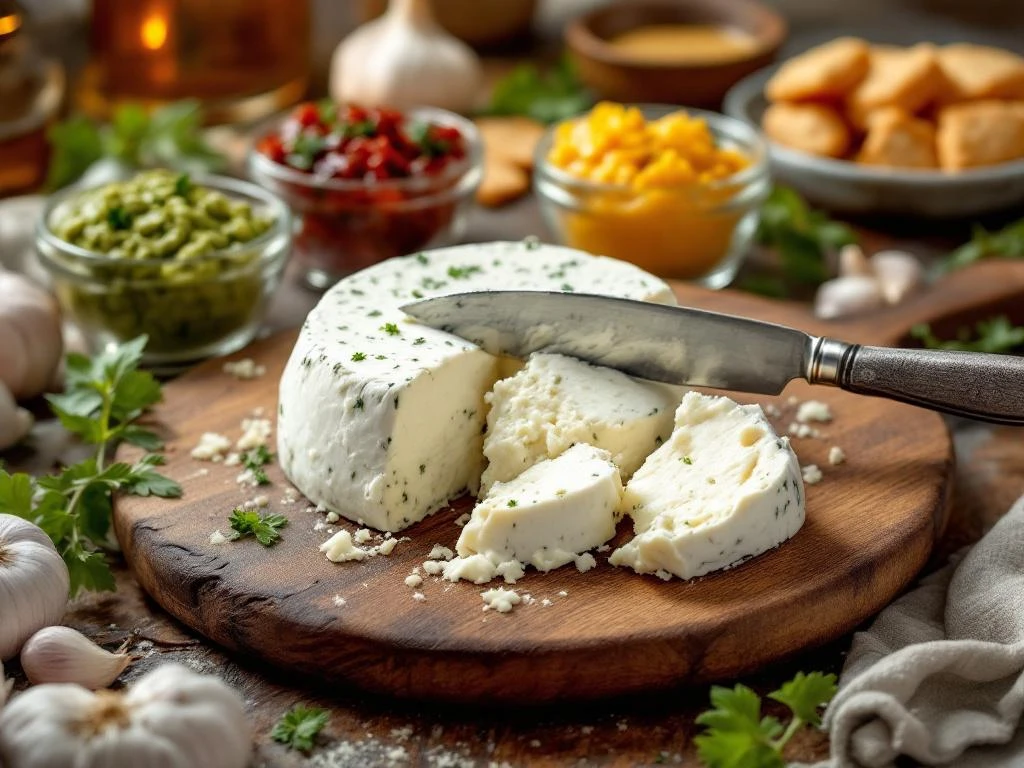
Making goat cheese spreads at home involves combining fresh goat cheese with cream or milk to achieve a smooth consistency, then adding herbs, spices, or other flavourings to create delicious variations. The process requires minimal equipment, typically just a mixing bowl and fork or food processor, and allows you to create customised spreads that rival commercial products. With proper technique and quality ingredients, homemade goat cheese spreads offer superior freshness and flavour control while helping you understand the craftsmanship behind professional cheese production.
Getting started with homemade goat cheese spreads
Creating homemade cheese spreads requires surprisingly little equipment and expertise. You’ll need a mixing bowl, a fork or food processor, and a spatula for scraping. The simplicity of the process makes it accessible to anyone interested in exploring goat cheese recipes at home.
The advantages of making your own spreads extend beyond mere cost savings. When you control the ingredients and preparation, you achieve a freshness that store-bought versions rarely match. The texture remains light and airy, while the flavours stay vibrant and distinct. Understanding these fundamentals helps you appreciate why professional cheese makers invest such care in their craft.
Temperature plays a crucial role in achieving optimal results. Allow your goat cheese to reach room temperature before mixing, as this ensures easier blending and prevents lumps. This simple step makes the difference between a professional-quality spread and an amateur attempt.
What ingredients do you need for goat cheese spreads?
The foundation of any excellent spread starts with high-quality fresh goat cheese. Choose varieties with a creamy texture and mild tanginess, avoiding aged or crumbly types that won’t blend smoothly. For every 200g of goat cheese, you’ll typically need 2-3 tablespoons of cream or milk to achieve the desired consistency.
Essential flavour additions include:
- Fresh herbs: chives, dill, basil, or thyme
- Dried spices: garlic powder, paprika, or black pepper
- Sweet elements: honey, fig jam, or dried cranberries
- Savoury additions: sun-dried tomatoes, olives, or capers
- Nuts: toasted walnuts, pecans, or pine nuts
Storage requirements for ingredients matter significantly. Keep fresh herbs wrapped in damp paper towels in the refrigerator, store spices in airtight containers away from light, and ensure your goat cheese remains properly refrigerated until use. Different goat cheese types affect your final product dramatically. Soft, fresh varieties create light, airy spreads, while slightly aged cheeses produce denser, more complex textures.
How do you achieve the perfect creamy texture?
Achieving creamy goat cheese texture requires proper technique and patience. Start by breaking the cheese into smaller pieces in your mixing bowl. Add liquid gradually, beginning with just one tablespoon of cream or milk. Mix gently with a fork, using a folding motion rather than aggressive stirring.
Food processors offer efficiency but require careful monitoring. Pulse in short bursts rather than continuous blending to prevent overworking the cheese. Stop frequently to scrape down the sides, ensuring even distribution. Hand mixing provides more control and produces a lighter texture, though it requires more effort.
Temperature considerations extend beyond initial preparation. If your spread becomes too thick during mixing, add liquid one teaspoon at a time. For a lighter texture, whip the mixture briefly with a whisk. Adjust consistency based on intended use: thicker for spreading on crackers, thinner for piping or drizzling.
What are the best flavor combinations for goat cheese spreads?
Classic herb combinations complement goat cheese’s natural tanginess beautifully. Mix fresh chives with lemon zest for a bright, spring-like spread. Combine dill with garlic for a more robust flavour profile. These traditional pairings work because they enhance rather than mask the cheese’s inherent qualities.
Sweet and savoury combinations create sophisticated goat cheese flavors:
- Honey with crushed black pepper and fresh thyme
- Fig jam with chopped rosemary and orange zest
- Cranberries with toasted pecans and sage
- Roasted red peppers with basil and pine nuts
Balance remains crucial when developing your own combinations. Start with small amounts of strong flavours like garlic or blue cheese, tasting as you go. Consider texture contrasts: smooth spreads benefit from crunchy additions like toasted nuts or seeds. Remember that flavours intensify during refrigeration, so slightly under-season initially.
How long do homemade goat cheese spreads last?
Proper storage extends the life of your homemade spreads significantly. Transfer finished spreads to clean, airtight containers, preferably glass or food-grade plastic. Press plastic wrap directly onto the surface before sealing to prevent air exposure and potential mould growth.
Refrigerated homemade spreads typically last 5-7 days when stored correctly. Commercial products often last longer due to preservatives and professional packaging methods. Watch for signs of spoilage: off odours, visible mould, or separation of liquids indicate it’s time to discard the spread.
Extend freshness through careful handling:
- Use clean utensils each time you serve
- Return containers to refrigeration promptly
- Avoid cross-contamination with other foods
- Label containers with preparation dates
- Store in the coldest part of your refrigerator
Key takeaways for making goat cheese spreads
Success with spreadable goat cheese depends on quality ingredients and proper technique. Start with fresh, high-quality goat cheese and allow it to reach room temperature before mixing. Add liquids gradually to achieve your desired consistency, and incorporate flavours thoughtfully to complement rather than overpower the cheese’s natural taste.
Understanding the homemade process illuminates why professional goat cheese products maintain such consistent quality. The careful balance of ingredients, precise temperature control, and attention to texture that you practice at home mirrors the expertise applied in commercial production. This knowledge helps you appreciate the craftsmanship behind professionally made goat cheese spreads and their reliable excellence.
Whether you’re creating simple herb spreads or complex flavour combinations, the principles remain constant: respect the cheese, balance your additions, and store properly. These fundamentals ensure your homemade creations rival any commercial offering while giving you complete control over ingredients and taste.
Related Articles
- What are the benefits of goat cheese spread in a 10 kg bucket for snack fillings?
- How do you ensure a good backup supplier for wrongel in your production chain?
- What are the trends in goat cheese usage on pizzas in the European food industry?
- What does EC accreditation mean for an industrial goat cheese producer?
- Is goat cheese milder than blue cheese?