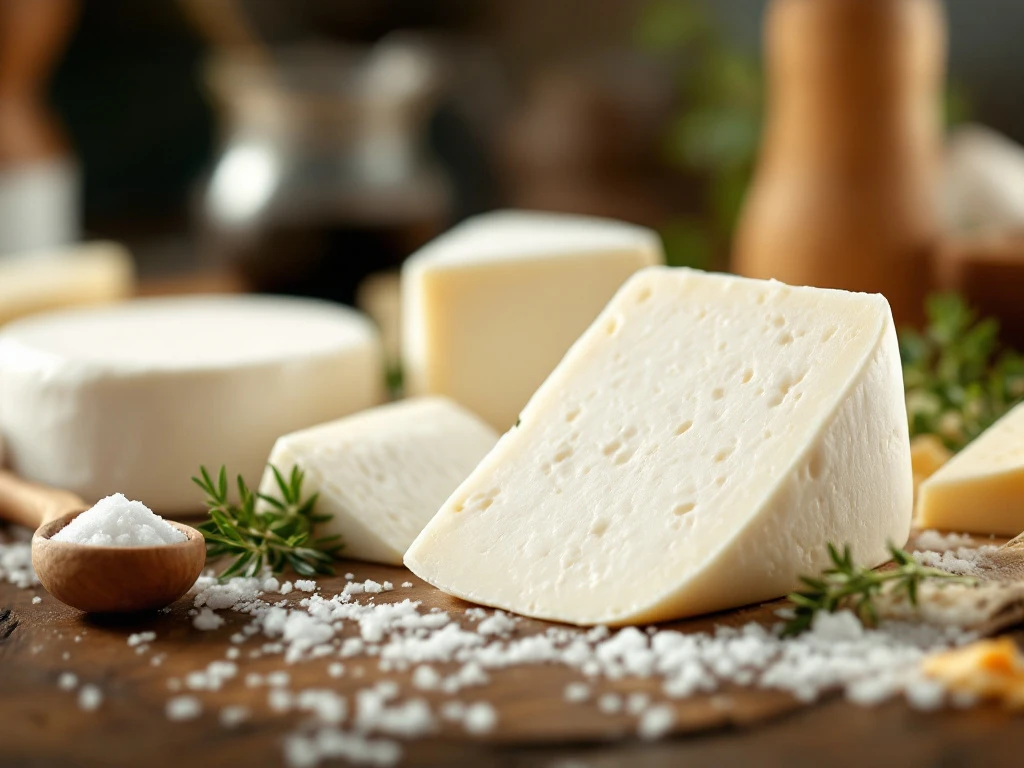
To stop goat cheese from becoming too salty, control salt during making and storing. Keep brining time to 2-4 hours for fresh cheese. Store at 4-7°C with good humidity control. Wrap cheese in materials that let air through, not plastic. If your cheese is already salty, put it in fresh water for 30-60 minutes or eat it with sweet foods. Learning these methods helps keep the good taste that makes goat cheese special.
Why does goat cheese become too salty?
Goat cheese becomes too salty mainly because of too much brining, wrong storage, and how goat milk takes in salt easily. Goat cheese has more water and different proteins than cow’s milk cheese. This means it takes in salt faster. Long brining times, especially when warm, make salt go deep into the cheese.
Salt moves around when cheese gets older. As goat cheese ages, water goes away from the surface. This makes the salt stronger. This happens more when cheese is kept in dry places or where air moves around it. Temperature changes make water move inside the cheese. This spreads salt unevenly and makes some parts too salty.
How you store cheese affects salt levels. When fresh goat cheese touches salty cheese or salty liquids, salt moves between them. Even keeping cheese in containers used for salty foods before can make it salty. Fresh goat cheese takes in tastes and salt from around it easily because it has small holes.
What are the best ways to store cheese and prevent salt buildup?
Good storage for goat cheese salt control means keeping temperature at 4-7°C with 80-85% humidity. Store fresh goat cheese in closed containers with parchment paper. Change the paper every 3-4 days to stop water building up. For older cheese, use cheese paper or wraps that let some air through but stop too much drying.
The container you choose is important. Glass or food-safe plastic containers work well for fresh goat cheese. Older cheese works better in wooden cheese boxes or special cheese bags. Never use containers that held salty foods before. Keep fresh goat cheese at least 15cm away from salty cheese in your fridge, because salt can move through the air.
Controlling humidity stops salt from getting stronger when water goes away. Put a wet paper towel in the cheese drawer, but don’t let it touch the cheese. For longer storage, wrap cheese in wax paper first, then loosely in foil. This makes a small space that keeps water in without growing bad bacteria. Check stored cheese every few days and remove any water on the surface that could move salt around.
How do you brine goat cheese properly without making it too salty?
Good brining needs a 2-3% salt solution for fresh goat cheese. This means 20-30g of salt for each litre of water. Keep brine temperature steady at 10-12°C, because warmer temperatures make cheese take in salt faster. For normal 100g pieces, brine for only 2-4 hours. Bigger pieces need more time, but never more than 24 hours for cheese under 1kg.
Making perfect brine means mixing salt completely in cold water before adding cheese. Use salt without iodine to avoid metallic tastes. Add 1-2 tablespoons of calcium chloride per litre to keep cheese firm during brining. The cheese should float a little. If it sinks completely, add 0.5% more salt.
Check salt levels by tasting a small piece every hour after the first two hours. Take cheese out right away when it tastes right, because it keeps taking in salt after you remove it. Wash brined cheese in cold water for 30 seconds to stop surface salt going in. Dry with paper towels and let it air-dry for 30 minutes before storing. This way ensures even salt without too much.
Can you fix goat cheese that’s already too salty?
Yes, you can fix salty goat cheese by putting it in fresh, cold water for 30-60 minutes. Change the water every 20 minutes to take out more salt. For crumbled cheese, use milk instead of water. The fat in milk helps keep the texture while taking out extra salt. This works best for fresh goat cheese.
Pairing with other foods helps balance too much salt without changing the cheese. Eat salty goat cheese with honey, fresh figs, or pear pieces. In cooking, use small amounts in creamy pasta sauces or soups where other ingredients make the salt weaker. Mix very salty goat cheese with unsalted cream cheese or ricotta to make a balanced spread.
Creative recipes can turn salty cheese into good dishes. Add it to bread dough where you need salt anyway, or use in stuffed vegetables where the salt flavors the whole dish. Mix salty goat cheese with herbs and olive oil to make a tasty dip where the salt helps rather than hurts. For salads, use small amounts and don’t add extra salt to the dressing.
What’s the difference between salt levels in fresh and aged goat cheese?
Fresh goat cheese usually has 0.5-1.5% salt, while aged cheese has 1.5-3.5%. Fresh cheese needs little salt for keeping and taste, using cold storage instead. During aging, salt does two things: keeps cheese good and develops flavor. As water goes away during aging, salt gets stronger, making the taste more intense.
Salt management is very different for each type. Fresh goat cheese needs gentle handling with short salt exposure. This can be light surface salting or short brining. Store fresh types away from salty liquids to stop extra salt going in. Aged goat cheese needs more salt at first for proper skin development and protection against bad bacteria during aging.
Texture changes affect how we taste and where salt goes. Fresh goat cheese is creamy and moist, so salt spreads evenly but can quickly become too salty. Aged cheese becomes firmer and holds salt in specific areas, making complex flavors. Aging creates natural salt patterns, with more salt near the skin. Understanding these differences helps in choosing the right storage methods and knowing the best time to eat each cheese type.
Managing salt in goat cheese requires understanding each type and using the right methods during making and storage. Whether working with fresh goat cheese or aged types, proper salt control keeps the delicate flavors that make these products special. For those wanting perfectly balanced goat cheese for cooking, we offer lots of knowledge in making the best flavor for every use.
Related Articles
- How do you organize a trial delivery of goat cheese crumbles from a new producer?
- Why does lactose-free UHT goat milk have a shelf life of 45 weeks?
- How does goat cheese contribute to flavour differentiation in pizza?
- How to make goat cheese stuffed chicken breast?
- What are goat cheese and nut pairings?