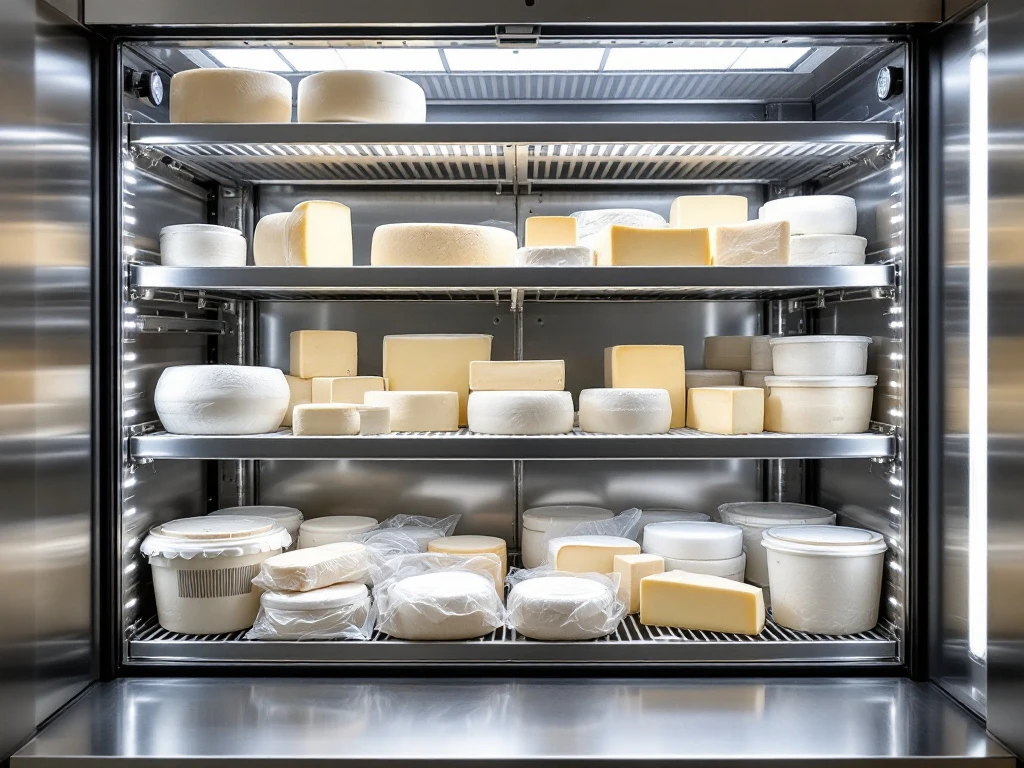
Storing goat cheese in high-volume kitchens requires maintaining temperatures between 1-4°C (34-39°F) for fresh varieties and proper packaging to prevent moisture loss and contamination. The key to successful cheese preservation lies in implementing strict rotation systems, monitoring storage conditions, and understanding the specific requirements of different goat cheese types. Commercial kitchens must balance efficiency with quality preservation to minimise waste and ensure consistent product standards.
What temperature should goat cheese be stored at in commercial kitchens?
Fresh goat cheese requires storage at 1-4°C (34-39°F), whilst aged varieties can tolerate slightly higher temperatures up to 8°C (46°F). Soft-ripened goat cheeses like brie need consistent temperatures between 4-6°C (39-43°F) to maintain their delicate texture and prevent over-ripening. Temperature fluctuations above 2°C can significantly reduce shelf life and compromise food safety standards in busy kitchen environments.
Commercial refrigeration systems should include digital temperature monitoring with alerts for any deviations outside the safe range. Walk-in coolers work best for bulk storage, providing stable temperatures and adequate air circulation. Separate dairy refrigerators prevent cross-contamination and allow precise temperature control for different cheese types.
Temperature zones within storage areas matter significantly. Place fresh goat cheese products away from cooling unit fans to prevent freezing, whilst keeping them in the coldest stable area of the refrigerator. Regular calibration of thermometers ensures accuracy, and staff should check temperatures at least twice daily during peak service periods.
How do you properly package goat cheese for bulk storage?
Vacuum sealing provides the best protection for bulk goat cheese storage, removing air that causes oxidation and extending shelf life by up to 40%. Modified atmosphere packaging using nitrogen or carbon dioxide creates an environment that slows bacterial growth whilst maintaining cheese texture. Proper wrapping starts with food-grade plastic film directly touching the cheese surface, followed by an outer protective layer.
Material selection impacts cheese quality significantly. Use breathable cheese paper for ripened varieties to allow proper moisture exchange whilst preventing contamination. Fresh goat cheese crumbles and spreads require airtight containers that prevent moisture loss but allow easy portion control during service.
Portion control packaging saves time and reduces waste in commercial settings. Pre-portioned pucks or slices in individual wrapping speed up preparation whilst maintaining hygiene standards. Label each package with production date, batch number, and use-by date using waterproof markers or printed labels that withstand cold storage conditions.
What’s the best rotation system for goat cheese in busy kitchens?
FIFO (First In, First Out) implementation for goat cheese requires clear date labelling and designated storage zones for new and older stock. Create separate shelving areas marked “USE FIRST” for products approaching their best-by dates, positioning them at eye level for easy identification. Digital inventory systems track cheese age automatically, sending alerts when products need rotation or approach expiration.
Colour-coded labelling systems enhance visual management in fast-paced environments. Use different coloured dots or tags for each day of the week, making it immediately obvious which products to use first. Storage organisation should follow a left-to-right or top-to-bottom flow, with newer products always placed behind or below older stock.
Training staff on proper rotation procedures prevents costly mistakes. Implement daily inventory checks during shift changes, documenting any products nearing expiration. Create rotation charts showing maximum storage times for each cheese type, posting them prominently in storage areas for quick reference.
How long can different types of goat cheese be stored safely?
Fresh goat cheese maintains quality for 7-14 days when properly refrigerated, whilst vacuum-sealed products can last up to 3 weeks. Soft-ripened varieties like goat brie remain safe for 2-4 weeks but develop stronger flavours over time. Semi-hard and aged goat cheeses store safely for 4-8 weeks, with harder varieties lasting even longer when properly wrapped and refrigerated.
Quality indicators change throughout storage periods. Fresh cheese should maintain its bright white colour and mild aroma. Any yellowing, excessive moisture, or sour smell indicates spoilage. Ripened cheeses naturally develop stronger aromas but should never smell ammonia-like or show unusual mould colours beyond their characteristic white bloom.
Commercial kitchen environments affect storage times due to frequent temperature changes from opening refrigerators. Reduce listed storage times by 20-30% for products accessed multiple times daily. Monitor high-turnover items closely, as repeated exposure to warmer temperatures accelerates deterioration even when products return to proper storage quickly.
What are the most common goat cheese storage mistakes in commercial kitchens?
Temperature fluctuations from storing cheese near refrigerator doors or in areas with poor air circulation cause the most damage. Cross-contamination occurs when unwrapped cheese sits near strong-smelling foods or raw proteins. Inadequate packaging leads to moisture loss, creating dry, crumbly textures that disappoint customers and increase waste.
Poor inventory management results in forgotten products developing beyond safe consumption. Overstocking without considering realistic usage rates ties up capital and increases spoilage risk. Many kitchens fail to separate different cheese types, storing fresh and aged varieties together despite their different temperature and humidity requirements.
Solutions include installing thermometers in multiple refrigerator locations, using dedicated cheese storage containers, and implementing weekly inventory audits. Train staff to handle cheese with clean utensils and gloves, avoiding direct hand contact that transfers bacteria and shortens shelf life. Create standard operating procedures for receiving, storing, and rotating cheese products, reviewing them quarterly to ensure compliance.
Proper goat cheese storage in commercial kitchens combines temperature control, appropriate packaging, and systematic rotation to maintain quality and minimise waste. Success requires understanding each cheese type’s specific needs and training staff to follow established procedures consistently. For kitchens seeking premium goat cheese products designed for commercial use, working with suppliers who understand foodservice requirements ensures products arrive in optimal condition with packaging suited for high-volume operations.