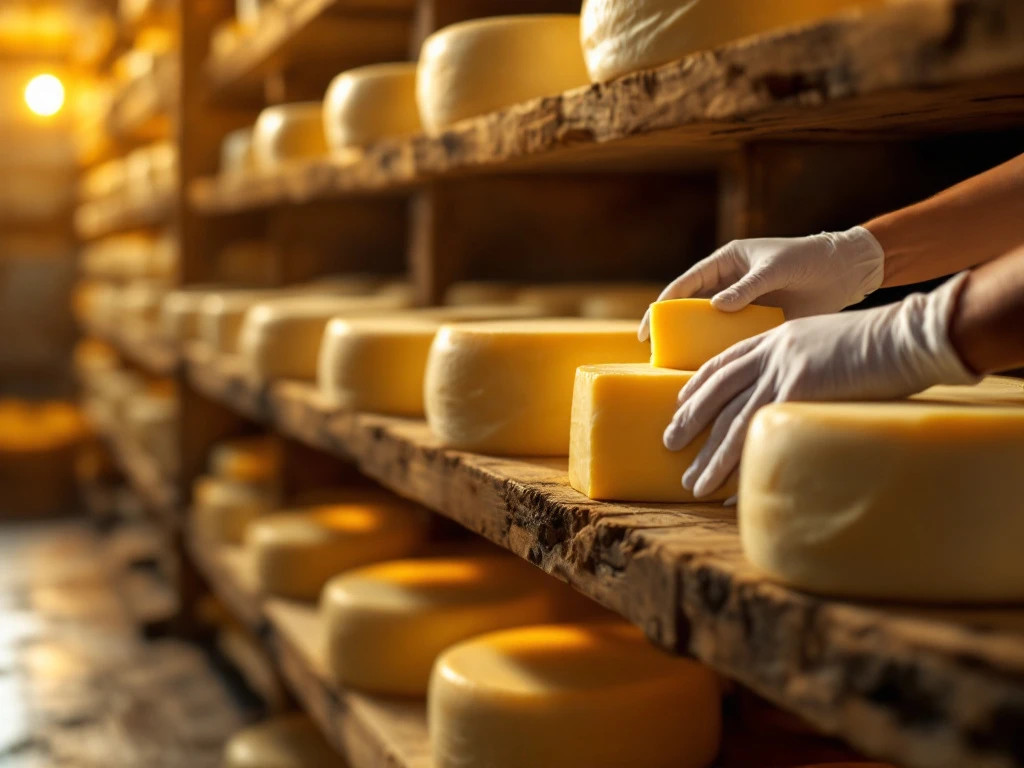
Consistent goat cheese supply partnerships provide B2B operations with predictable inventory management, stable pricing structures, and guaranteed quality standards that enable better business planning. These strategic relationships reduce supply chain disruptions, ensure product availability during peak seasons, and offer customised solutions that match specific business needs. Understanding the advantages of reliable cheese partnerships helps businesses in retail, foodservice, and industrial sectors make informed procurement decisions that support long-term growth and customer satisfaction.
What makes consistent goat cheese supply partnerships valuable for B2B operations?
Consistent goat cheese supply partnerships create operational stability through predictable inventory levels, fixed pricing agreements, and reliable delivery schedules that allow businesses to plan effectively. These partnerships eliminate the uncertainty of spot market purchasing whilst ensuring continuous product availability for retail shelves, restaurant menus, and industrial processing needs.
The value extends beyond basic supply security. Quality consistency becomes a cornerstone benefit when working with dedicated suppliers who maintain standardised production protocols. This means every delivery meets the same specifications for taste, texture, and shelf life, reducing customer complaints and product returns. For retailers, this consistency translates to satisfied customers who trust the product quality. Restaurants benefit from menu stability, knowing their signature dishes will taste the same every time.
Industrial processors particularly value partnerships that provide cheese in specific formats and packaging. Whether requiring 5kg blocks for further processing or pre-portioned formats like 20g pucks for ready meal production, consistent suppliers adapt their offerings to match operational requirements. This flexibility in packaging options, from 100g retail tubs to 10kg industrial containers, supports efficient production workflows.
Financial predictability represents another crucial advantage. Long-term partnerships often include price protection agreements that shield businesses from market volatility. This stability enables accurate budget forecasting and protects profit margins, especially important for businesses operating on thin margins or those with fixed-price customer contracts.
How do goat cheese supply partnerships solve common sourcing challenges?
Goat cheese sourcing challenges include quality variations between batches, seasonal availability gaps, inflexible packaging requirements, and limited innovation in product offerings. Strategic partnerships address these issues through established quality protocols, year-round production planning, and collaborative product development that responds to market demands.
Quality variations often plague businesses sourcing from multiple suppliers or spot markets. Professional partnerships implement standardised quality protocols across their entire production process. From milk sourcing to aging procedures, every step follows documented processes that ensure consistency. This includes maintaining specific fat content levels, controlling moisture percentages, and standardising aging times for ripened varieties.
Availability challenges particularly affect goat cheese due to seasonal milk production variations. Established suppliers manage these fluctuations through strategic planning and proper storage facilities. They maintain buffer stocks during peak production periods and use advanced forecasting to ensure continuous availability. This approach prevents the common problem of stock-outs during high-demand periods or when goat milk production naturally decreases.
Packaging flexibility solves another persistent challenge. While some suppliers offer only standard formats, partnership-oriented producers provide customised solutions. This includes everything from portion-controlled servings for foodservice operations to bulk packaging for industrial processing. The ability to specify exact weights, packaging materials, and labelling requirements eliminates the need for costly repackaging operations.
Innovation support helps businesses stay competitive in evolving markets. Partners who invest in product development can create exclusive flavour profiles, develop new textures, or formulate products for specific applications. This might include creating spreadable goat cheese for sandwich operations or developing heat-stable varieties for pizza applications.
What’s the difference between transactional buying and strategic cheese partnerships?
Transactional buying focuses on immediate needs and lowest prices, whilst strategic partnerships prioritise long-term value through stable supply, consistent quality, and collaborative growth opportunities. The fundamental difference lies in the relationship depth and mutual investment in success rather than simple product exchange.
Price stability marks a clear distinction between these approaches. Transactional buyers face market price fluctuations with every purchase, making budget planning difficult. Strategic partnerships often include annual pricing agreements or graduated pricing structures that provide predictability. This stability extends beyond base prices to include transportation costs, packaging charges, and any additional services.
Product customisation capabilities differ significantly. Transactional relationships typically limit buyers to standard catalogue offerings. Strategic partners invest time understanding specific business needs, developing custom products, creating exclusive recipes, or adjusting existing products to match exact specifications. This might involve creating specific flavour profiles, adjusting salt content for dietary requirements, or developing unique packaging configurations.
Supply security represents perhaps the most critical difference. Transactional buyers compete for available inventory during shortage periods, often facing allocation limits or complete unavailability. Strategic partners reserve production capacity for their long-term customers, ensuring continuous supply even during market disruptions. This security becomes invaluable during seasonal peaks, unexpected demand surges, or supply chain disruptions.
Business support services distinguish partnerships from simple transactions. Strategic suppliers provide market insights, trend analysis, and category management support. They might offer staff training on cheese handling, provide marketing materials, or collaborate on new product launches. This added value helps partners grow their cheese business beyond simply fulfilling orders.
Which quality standards should you expect from professional goat cheese suppliers?
Professional goat cheese suppliers maintain internationally recognised certifications including IFS (International Featured Standards), HACCP compliance, and comprehensive traceability systems that ensure product safety and quality. These standards provide assurance that products meet the highest food safety requirements whilst maintaining consistent quality characteristics.
IFS certification demonstrates commitment to food safety through rigorous third-party auditing. This standard covers everything from raw material sourcing to finished product distribution. Suppliers with IFS certification follow documented procedures for hazard analysis, implement preventive controls, and maintain detailed records. Additional certifications like VLOG (non-GMO), Halal, and Kosher expand market access whilst ensuring products meet specific dietary requirements.
Production consistency relies on standardised processes throughout the cheese-making operation. This includes controlling milk quality through regular testing, maintaining precise temperature controls during production, and following exact timing for each production step. Professional suppliers document these processes and train staff to follow them precisely, ensuring every batch meets specifications.
Cold chain management proves critical for maintaining cheese quality from production to delivery. Professional suppliers invest in temperature-controlled storage facilities, refrigerated transport vehicles, and monitoring systems that track temperatures throughout distribution. This infrastructure ensures products arrive at optimal quality with maximum remaining shelf life.
Quality control processes extend beyond basic safety checks. Professional suppliers conduct sensory evaluations to ensure taste consistency, test texture characteristics, and verify visual appearance standards. They maintain retained samples from each production batch, enabling quick investigation if quality questions arise. Regular microbiological testing confirms products remain safe throughout their stated shelf life.
How can flexible goat cheese partnerships support your business growth?
Flexible partnerships support business growth through private label development opportunities, scalable order volumes, seasonal product variations, and rapid response to market trends. This adaptability allows businesses to expand their offerings, enter new markets, and respond quickly to customer demands without major capital investments.
Private label development opens significant growth opportunities. Partners with flexible production capabilities can create exclusive products that differentiate your business from competitors. This might involve developing unique flavour combinations, creating specific textures for particular applications, or designing packaging that reinforces your brand identity. The ability to offer exclusive products commands higher margins and builds customer loyalty.
Scalability ensures partnerships grow alongside your business. Starting with smaller order quantities allows testing new products or markets without excessive inventory risk. As demand increases, flexible partners scale production accordingly, maintaining the same quality standards whether producing 100 kilograms or 10 tonnes. This scalability extends to packaging options, allowing evolution from foodservice bulk packaging to retail-ready consumer portions.
Seasonal adaptations help capture market opportunities throughout the year. Partners might develop lighter, fresh varieties for summer salads or richer, aged options for winter entertaining. Special packaging for holiday periods, limited edition flavours, or promotional pack sizes all become possible with flexible manufacturing partners. This responsiveness helps maximise sales during peak periods.
Market trend adaptation keeps your offerings relevant and competitive. When plant-based diets drive demand for lactose-reduced options, flexible partners can adjust formulations. If convenience becomes paramount, they might develop pre-portioned formats or ready-to-use preparations. This agility in responding to market evolution ensures your cheese offerings remain attractive to changing consumer preferences.
Building successful goat cheese partnerships requires clear communication about business goals, quality expectations, and growth plans. The most valuable partnerships develop over time through mutual trust and shared success. By choosing suppliers who view your success as their own, businesses create competitive advantages that extend far beyond simple product procurement.
For businesses seeking reliable goat cheese supply partnerships, evaluating potential suppliers against these criteria ensures selection of partners capable of supporting long-term growth. Whether you operate in retail, foodservice, or industrial processing, the right partnership transforms cheese procurement from a simple transaction into a strategic business advantage. Our expertise in traditional goat cheese production, combined with modern flexibility and certified quality standards, positions us as an ideal partner for businesses seeking consistent, high-quality goat cheese supply throughout Europe and beyond.