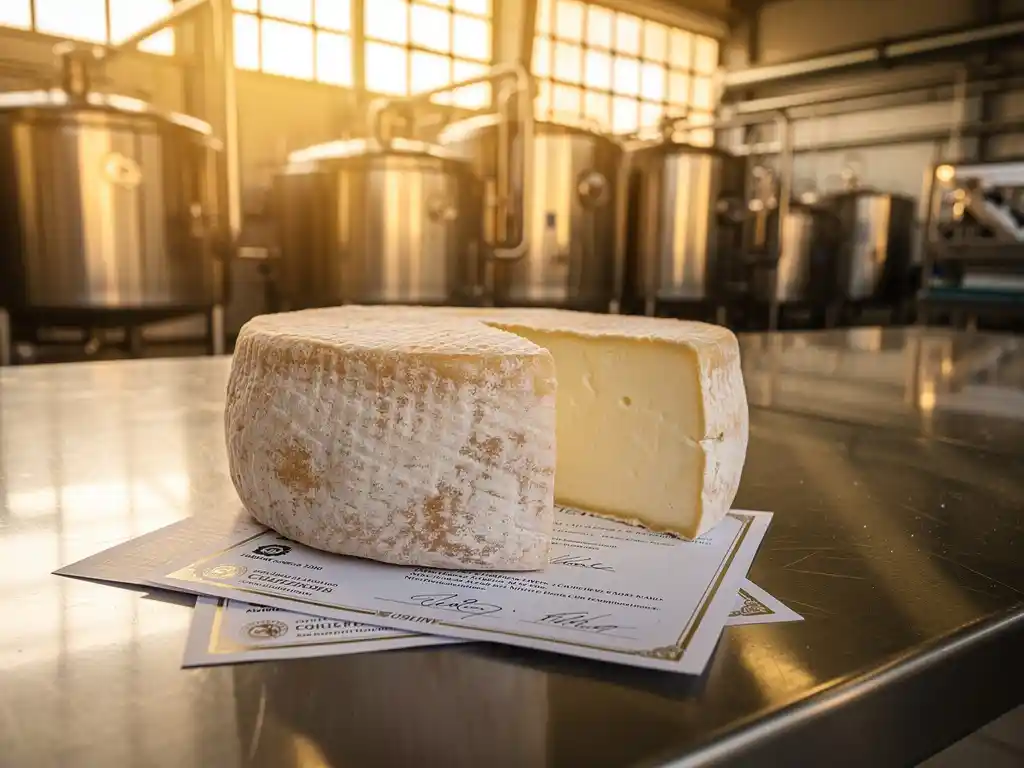
EC-accreditatie is een cruciale certificering voor kaasproducenten die hun producten binnen de Europese Unie willen verhandelen. Voor ons als producent van hoogwaardige geitenkaasspecialiteiten is deze accreditatie essentieel om onze traditionele kazen aan industriële afnemers te kunnen leveren. In dit artikel beantwoorden we de belangrijkste vragen over EC-accreditatie, specifiek voor producenten van industriële geitenkaas.
Wat is EC-accreditatie voor kaasproducenten precies?
EC-accreditatie is een officiële erkenning van de Europese Commissie die bevestigt dat een kaasproductiebedrijf voldoet aan alle EU-regelgeving voor voedselveiligheid, hygiëne en kwaliteit. Deze accreditatie garandeert dat de productiefaciliteit, processen en producten voldoen aan de strenge Europese normen voor zuivelverwerking.
De accreditatie omvat verschillende aspecten van het productieproces. Ten eerste worden de hygiënische omstandigheden in de productiefaciliteit beoordeeld, waarbij wordt gekeken naar de inrichting van productieruimtes, de scheiding tussen vuile en schone zones, en de aanwezigheid van adequate sanitaire voorzieningen. Ten tweede wordt het HACCP-systeem (Hazard Analysis and Critical Control Points) gecontroleerd, dat risico’s in het productieproces identificeert en beheerst.
Voor geitenkaasproducenten betekent EC-accreditatie ook dat specifieke eisen voor de verwerking van geitenmelk worden nageleefd. Dit omvat de juiste temperatuurbeheersing tijdens pasteurisatie, de correcte opslag van grondstoffen, en de traceerbaarheid van alle ingrediënten vanaf de boerderij tot het eindproduct. De accreditatie wordt periodiek gecontroleerd door onafhankelijke inspecteurs die namens de nationale voedselautoriteiten optreden.
Waarom is EC-accreditatie belangrijk voor industriële geitenkaas?
EC-accreditatie is essentieel voor industriële geitenkaasproducenten omdat het de toegang tot de Europese markt garandeert en het vertrouwen van industriële afnemers waarborgt. Zonder deze accreditatie mogen kaasproducten niet worden verhandeld binnen de EU, wat de afzetmogelijkheden drastisch beperkt.
Voor industriële afnemers zoals producenten van kant-en-klaarmaaltijden, pizza’s of andere voedingsproducten is EC-accreditatie een basisvereiste. Deze bedrijven moeten kunnen aantonen dat alle ingrediënten in hun producten voldoen aan de hoogste veiligheidsnormen. Een EC-gecertificeerde leverancier van geitenkaas biedt de zekerheid dat de kaas veilig is voor verdere verwerking en consumptie.
De accreditatie speelt ook een belangrijke rol in de internationale handel. Veel landen buiten de EU erkennen EC-accreditatie als bewijs van hoge kwaliteitsstandaarden, wat exportmogelijkheden vergroot. Voor ons als producent van geitenkaas crumbles, plakjes en andere industriële formaten betekent dit dat we onze producten wereldwijd kunnen leveren met het vertrouwen dat ze voldoen aan internationale normen.
Bovendien beschermt EC-accreditatie tegen aansprakelijkheidsclaims. Bij eventuele voedselveiligheidsincidenten kunnen gecertificeerde producenten aantonen dat ze alle voorgeschreven procedures hebben gevolgd, wat juridische bescherming biedt.
Welke eisen stelt EC-accreditatie aan geitenkaasproducenten?
EC-accreditatie stelt uitgebreide eisen aan geitenkaasproducenten op het gebied van faciliteiten, processen, personeel en documentatie. Deze eisen zijn vastgelegd in EU-verordeningen 852/2004 en 853/2004, die specifieke voorwaarden bevatten voor zuivelverwerking.
De fysieke productiefaciliteit moet voldoen aan strenge bouwkundige eisen. Dit omvat gladde, afwasbare wanden en vloeren, adequate ventilatie en verlichting, en gescheiden ruimtes voor verschillende productiestappen. Voor geitenkaasproductie zijn specifieke rijpingskamers met gecontroleerde temperatuur en luchtvochtigheid vereist. Alle apparatuur moet van voedselgeschikt materiaal zijn gemaakt en regelmatig worden onderhouden volgens een vastgesteld schema.
Op procesmatig niveau moeten producenten een volledig HACCP-systeem implementeren. Dit betekent dat alle kritische controlepunten in het productieproces zijn geïdentificeerd, van melkontvangst tot eindproductverpakking. Voor verse geitenkaas, zoals onze smeerbare varianten, gelden specifieke temperatuureisen tijdens productie en opslag. Gerijpte geitenkazen vereisen daarnaast gecontroleerde rijpingsomstandigheden met regelmatige monitoring.
Personeelseisen omvatten verplichte training in voedselveiligheid en hygiëne voor alle medewerkers die met het product in aanraking komen. Gezondheidsverklaringen en regelmatige medische controles zijn verplicht. Documentatie moet volledig en up-to-date zijn, inclusief recepturen, productielogboeken, temperatuurregistraties en traceerbaarheidssystemen die elke batch kaas kunnen volgen van grondstof tot eindproduct.
Hoe krijgt een geitenkaasproducent EC-accreditatie?
Het verkrijgen van EC-accreditatie voor geitenkaasproductie is een gestructureerd proces dat begint met een aanvraag bij de nationale voedselautoriteit, in Nederland de NVWA. Het traject duurt gemiddeld 6 tot 12 maanden, afhankelijk van de gereedheid van het bedrijf.
Het proces start met een grondige zelfevaluatie waarbij het bedrijf alle processen, procedures en faciliteiten toetst aan de EC-vereisten. Vaak wordt hiervoor een externe consultant ingeschakeld die ervaring heeft met zuivelcertificering. Na deze evaluatie volgt de implementatie van verbeteringen, zoals het aanpassen van productieruimtes, het installeren van nieuwe apparatuur, of het ontwikkelen van ontbrekende procedures.
De formele aanvraag wordt ingediend met uitgebreide documentatie, waaronder plattegronden van de faciliteit, processchema’s, HACCP-plannen, en personeelsprocedures. De NVWA plant vervolgens een eerste inspectie waarbij alle aspecten van de productie worden beoordeeld. Deze inspectie is zeer grondig en kan meerdere dagen duren voor complexe productiefaciliteiten.
Na de inspectie ontvangt het bedrijf een rapport met eventuele tekortkomingen die moeten worden opgelost. Zodra alle punten zijn aangepakt, volgt een herinspectie. Bij goedkeuring wordt de EC-accreditatie verleend en krijgt het bedrijf een uniek erkenningsnummer dat op alle verpakkingen moet worden vermeld. Jaarlijkse controle-inspecties zorgen ervoor dat de standaarden worden gehandhaafd.
Wat zijn de voordelen van EC-gecertificeerde geitenkaas voor inkopers?
EC-gecertificeerde geitenkaas biedt industriële inkopers gegarandeerde voedselveiligheid, consistente kwaliteit en volledige traceerbaarheid. Deze certificering elimineert risico’s in de toeleveringsketen en vereenvoudigt compliance met eigen kwaliteitssystemen.
Voor inkopers zoals Marco Visser, die werken in de voedingsindustrie, betekent EC-certificering dat ze kunnen vertrouwen op consistente productspecificaties. Of het nu gaat om geitenkaas crumbles voor pizzatoepassingen of verse geitenkaas plakjes voor kant-en-klaarmaaltijden, de certificering garandeert dat elke levering voldoet aan dezelfde hoge standaarden. Dit vermindert het risico op productieverstoringen door wisselende kwaliteit.
De administratieve voordelen zijn ook significant. EC-gecertificeerde leveranciers hebben uitgebreide documentatiesystemen die audits vereenvoudigen. Traceerbaarheid is gegarandeerd, wat betekent dat bij eventuele kwaliteitsvragen snel kan worden achterhaald welke grondstoffen zijn gebruikt en onder welke omstandigheden de productie heeft plaatsgevonden. Dit bespaart tijd bij leveranciersaudits en vermindert de administratieve last.
Commercieel gezien opent EC-certificering deuren naar nieuwe markten. Producten met geitenkaas kunnen zonder aanvullende certificering worden geëxporteerd binnen de hele EU. Voor producenten van internationale voedingsproducten is dit essentieel. Bovendien accepteren veel niet-EU landen EC-certificering als bewijs van hoge kwaliteitsstandaarden, wat de exportmogelijkheden van eindproducten vergroot.
Hoe DeJong Cheese helpt met EC-accreditatie voor industriële geitenkaas
Als EC-gecertificeerde producent sinds 1995 begrijpen wij bij DeJong Cheese precies wat industriële afnemers nodig hebben op het gebied van certificering en kwaliteitsgaranties. Onze jarenlange ervaring met EC-accreditatie vertaalt zich in betrouwbare leveringen van hoogwaardige geitenkaasproducten voor de industrie.
Wij bieden concrete ondersteuning aan onze industriële klanten:
- Volledige documentatie: Alle certificaten, specificaties en veiligheidsbladen zijn direct beschikbaar via ons klantenportaal
- Traceerbaarheidssysteem: Elke batch verse geitenkaas, gerijpte geitenkaas of geitenkaasbolletjes is volledig traceerbaar vanaf de melkontvangst
- Flexibele auditmogelijkheden: Wij verwelkomen klantaudits en delen proactief onze NVWA-inspectierapporten
- Consistente kwaliteit: Onze EC-procedures garanderen dat elke levering geitenkaasschijfjes of smeerbare geitenkaas exact aan de specificaties voldoet
- Private label mogelijkheden: Ook voor private label producten behouden wij dezelfde hoge EC-standaarden
Bent u op zoek naar een betrouwbare leverancier van EC-gecertificeerde industriële geitenkaas? Neem contact met ons op voor meer informatie over onze certificeringen en producten. Bezoek onze homepage voor het complete overzicht van onze geitenkaasspecialiteiten, of ontdek waar u onze producten kunt vinden via onze verkooppunten pagina.
Frequently Asked Questions
Hoe lang blijft een EC-accreditatie geldig en wat zijn de kosten voor verlenging?
EC-accreditatie heeft geen vaste vervaldatum, maar vereist jaarlijkse controle-inspecties door de NVWA om de status te behouden. De kosten variëren per bedrijfsgrootte, maar reken op €2.000-€5.000 per jaar voor inspecties en administratieve kosten. Bij grote wijzigingen in productieprocessen of faciliteiten is een aanvullende inspectie nodig, wat extra kosten met zich meebrengt.
Kunnen kleine ambachtelijke geitenkaasproducenten ook EC-accreditatie verkrijgen?
Ja, ook kleine producenten kunnen EC-accreditatie verkrijgen, maar de eisen blijven hetzelfde ongeacht de bedrijfsgrootte. Voor kleinschalige producenten bestaan er soms vereenvoudigde procedures, maar de basisnormen voor voedselveiligheid zijn niet onderhandelbaar. Het is raadzaam om samen te werken met een consultant die ervaring heeft met kleinschalige zuivelcertificering om de kosten beheersbaar te houden.
Wat gebeurt er als tijdens een inspectie tekortkomingen worden geconstateerd?
Bij kleine tekortkomingen krijgt het bedrijf meestal 30-90 dagen om verbeteringen door te voeren zonder verlies van accreditatie. Bij ernstige overtredingen kan de productie tijdelijk worden stilgelegd of kan de accreditatie worden ingetrokken. Het bedrijf ontvangt altijd een gedetailleerd rapport met concrete verbeterpunten en termijnen, waarna een herinspectie volgt om te controleren of alle punten zijn opgelost.
Is EC-accreditatie voldoende voor export naar landen buiten de EU?
EC-accreditatie wordt door veel landen erkend als basisstandaard, maar sommige landen stellen aanvullende eisen. De VS vereist bijvoorbeeld FDA-registratie, China heeft eigen importcertificaten, en islamitische landen vragen vaak halal-certificering. Check altijd de specifieke importeisen van het doelland en overleg met uw leverancier welke aanvullende certificeringen zij kunnen bieden.
Hoe kan ik als inkoper verifiëren of een geitenkaasproducent daadwerkelijk EC-gecertificeerd is?
Vraag altijd naar het officiële erkenningsnummer dat op alle verpakkingen moet staan (NL-nummer voor Nederlandse producenten). Dit nummer kunt u verifiëren via de NVWA-database of de EU-database van erkende bedrijven. Vraag daarnaast om recente inspectierapporten en check of het bedrijf op de lijst van goedgekeurde exporteurs staat voor uw specifieke toepassing.
Welke specifieke uitdagingen zijn er bij EC-accreditatie voor biologische geitenkaas?
Biologische geitenkaasproductie vereist dubbele certificering: zowel EC-accreditatie als biologische certificering volgens EU-verordening 834/2007. Dit betekent strengere eisen voor grondstoffen, gescheiden productieprocessen, en uitgebreidere documentatie. De grootste uitdaging is het voorkomen van kruisbesmetting tussen biologische en conventionele producten, wat aparte productiedagen of zelfs gescheiden productielijnen kan vereisen.