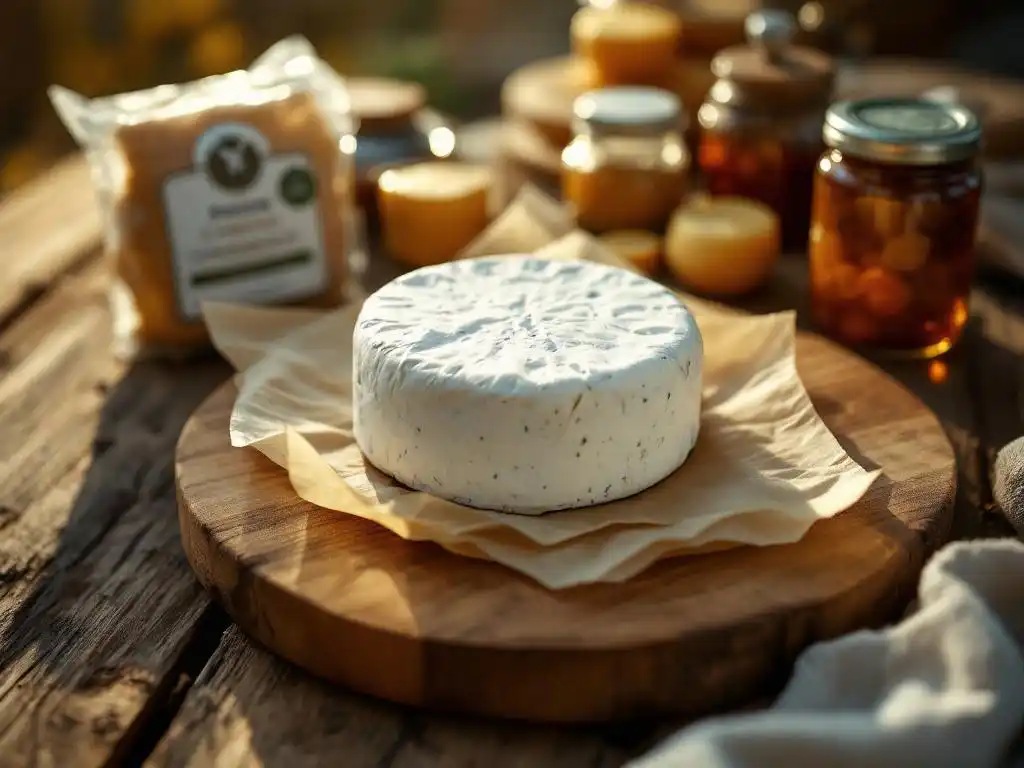
Goat cheese packaging requires careful consideration to maintain quality, extend shelf life, and meet diverse business needs. From retail-ready portions to industrial bulk formats, the right packaging solution protects the cheese’s delicate texture and distinctive flavour while ensuring food safety and operational efficiency. Understanding the various packaging options helps businesses select formats that preserve product integrity, optimise storage, and satisfy their specific market requirements.
What are the most common packaging formats for goat cheese in retail?
Retail goat cheese packaging typically includes vacuum-sealed portions, plastic containers, wax-coated wheels, and glass jars. Vacuum-sealed portions dominate the market, offering individual servings of 100–200 g that maintain freshness for 3–4 weeks. Plastic containers provide convenient resealable options for spreadable varieties, while traditional wax coatings preserve artisanal wheels.
Consumer preferences lean towards transparent packaging that showcases the product’s quality and texture. Clear plastic containers and vacuum packs allow customers to assess freshness visually, building trust in the product. Glass jars, though less common due to cost and fragility, appeal to premium market segments seeking sustainable packaging options.
Shelf life considerations drive many packaging decisions in retail environments. Modified atmosphere packaging (MAP) extends freshness by replacing oxygen with nitrogen or carbon dioxide, preventing unwanted bacterial growth. This technology allows retailers to stock products longer without compromising quality, reducing waste and improving profitability.
Product presentation plays a crucial role in retail success. Eye-catching labels, clear product visibility, and convenient portion sizes influence purchasing decisions. Many producers now incorporate easy-open features and resealable options that enhance the user experience while maintaining product protection throughout the consumption period.
How does wholesale goat cheese packaging differ from retail formats?
Wholesale packaging prioritises efficiency and bulk handling, featuring large vacuum-sealed blocks, brine buckets, and industrial containers ranging from 1 kg to 25 kg. These formats reduce packaging costs per unit and simplify storage in commercial kitchens and production facilities. Vacuum-sealed blocks remain the most popular wholesale format, offering excellent protection during transport and extended shelf life.
Foodservice operations benefit from standardised portion sizes that streamline kitchen workflows. Pre-portioned blocks of 2–5 kg fit perfectly into commercial refrigeration systems and allow for consistent portion control. Many suppliers offer custom cutting services, providing exact weights that match menu specifications and reduce preparation time.
Industrial clients require specialised packaging that integrates with automated processing equipment. Large blocks wrapped in barrier films work seamlessly with industrial slicers and portioning machines. Some manufacturers provide goat cheese in flowable forms for sauce and dressing production, packaged in aseptic bags or bulk containers with dispensing valves.
Transport efficiency becomes paramount in wholesale distribution. Stackable containers, standardised pallet configurations, and robust packaging materials prevent damage during long-distance shipping. Temperature indicators and protective barriers ensure product integrity from the production facility to the end user, maintaining the cold chain throughout distribution.
Which packaging materials work best for preserving goat cheese quality?
Food-grade plastics, particularly polyethylene and polypropylene films, provide excellent moisture barriers while allowing controlled gas exchange. These materials prevent excessive drying while managing internal humidity levels that could promote unwanted mould growth. Multi-layer barrier films combine different plastics to optimise protection against oxygen, light, and contamination.
Wax coatings offer traditional preservation methods particularly suited to aged goat cheeses. Food-grade paraffin or microcrystalline waxes create breathable barriers that allow proper maturation while preventing surface contamination. This method works exceptionally well for artisanal producers seeking authentic presentation without modern plastic packaging.
Modified atmosphere packaging revolutionises goat cheese preservation by creating optimal storage environments within sealed packages. By adjusting oxygen, nitrogen, and carbon dioxide levels, MAP technology significantly extends shelf life without preservatives. This approach maintains the cheese’s natural flavour profile while preventing spoilage organisms from developing.
Vacuum barrier films represent the gold standard for commercial goat cheese packaging. These specialised materials combine multiple polymer layers with aluminium or EVOH barriers, creating near-impermeable protection. The vacuum process removes air that could cause oxidation, while the barrier prevents moisture loss and external contamination throughout distribution and storage.
What packaging requirements should food manufacturers consider for goat cheese?
Food manufacturers need packaging that supports high-speed production lines, featuring easy-open designs and consistent seal integrity. Thermoformable films allow automated portioning systems to create individual servings efficiently while maintaining product protection. Peelable seals enable quick access without compromising the package’s protective properties during transport and storage.
Portion control becomes critical for manufacturers producing ready meals, pizzas, and sandwich products. Pre-portioned cups, sachets, or flow-wrapped portions ensure consistent product application and cost control. These formats must withstand production temperatures, whether for hot-fill applications or frozen product lines, without affecting the cheese’s quality.
Food safety regulations demand comprehensive labelling space for allergen declarations, nutritional information, and traceability codes. Packaging must accommodate these requirements while remaining cost-effective and visually appealing. Many manufacturers now incorporate QR codes linking to detailed product information, satisfying regulatory requirements while minimising package size.
Production efficiency relies on packaging compatibility with existing equipment. Standard package dimensions that fit automated filling, sealing, and cartoning systems reduce changeover times and minimise waste. Manufacturers increasingly request packaging solutions that work across multiple product lines, maximising equipment utilisation and reducing inventory complexity.
How does packaging affect goat cheese shelf life and storage conditions?
Packaging directly influences storage requirements by controlling moisture levels, gas exchange, and temperature stability. Properly packaged goat cheese maintains quality for 2–3 weeks in standard refrigeration, while specialised packaging can extend this to several months. Temperature control remains the most critical factor, with optimal storage between 2–4 °C regardless of packaging type.
Humidity management through packaging prevents both excessive drying and unwanted moisture accumulation. Micro-perforated films allow controlled moisture release, preventing condensation that could promote bacterial growth. This balance maintains the cheese’s characteristic texture while preventing surface defects that affect appearance and flavour.
Light exposure accelerates lipid oxidation, causing off-flavours and discolouration in goat cheese. Opaque packaging materials or UV-blocking films protect sensitive products during retail display. Some manufacturers combine clear windows for product visibility with strategic opacity to balance marketing needs with quality preservation.
Different cheese types require tailored packaging approaches to maximise shelf life. Fresh chèvre benefits from tight moisture control, while aged varieties need breathable packaging that allows continued maturation. Understanding these relationships helps producers select packaging that optimises quality throughout the product’s intended shelf life, from production through consumption.
How DeJong Cheese helps with goat cheese packaging solutions
We understand that packaging requirements vary significantly across different business needs. Our expertise in goat cheese production since 1995 enables us to provide customised packaging solutions that maintain product quality while meeting specific operational requirements. Whether you need retail-ready portions or industrial bulk formats, we work closely with clients to develop optimal packaging strategies.
Our flexible packaging options include:
- Custom portion sizes from 100 g retail packs to 25 kg industrial blocks
- Private-label packaging with your branding specifications
- Modified atmosphere packaging for extended shelf life
- Specialised formats for automated production lines
- International-shipping-compliant packaging with proper certifications
We support B2B clients across retail, foodservice, and industrial sectors with packaging that addresses their unique challenges. Our team provides guidance on optimal formats for your specific application, whether that is convenient portions for meal kit producers or bulk packaging for industrial processing. With our highest food safety certifications and experience serving over 20 countries, we ensure your packaging meets all regulatory requirements.
Ready to discuss packaging solutions that protect your goat cheese quality while optimising your operations? Contact our team to explore custom packaging options. Learn more about our product range or find where to purchase our Alphenaer brand products.
Frequently Asked Questions
How do I transition from retail to bulk goat cheese packaging for my growing food business?
Start by evaluating your weekly usage to determine optimal bulk sizes – most businesses find 2-5 kg blocks ideal for the transition phase. Request samples in different bulk formats to test compatibility with your equipment and workflows before committing to larger orders. Consider investing in portion control equipment like wire cutters or portioning scales to maintain consistency when working with bulk formats.
What's the best way to repackage bulk goat cheese for smaller portions without compromising quality?
Use food-grade cling film or vacuum sealing equipment to rewrap portions immediately after cutting, minimizing air exposure. Store repackaged portions in airtight containers with labels showing the original packaging date and new portion date. Maintain the cold chain throughout the process by working in refrigerated environments or limiting exposure to room temperature to under 15 minutes.
How can I prevent goat cheese from developing off-flavours during extended storage?
Store goat cheese away from strong-smelling foods as it readily absorbs odours through its packaging. Double-wrap opened products in wax paper followed by plastic wrap or aluminium foil to create an additional barrier. Rotate stock using FIFO (first in, first out) principles and monitor storage temperatures daily, as even brief temperature spikes above 4°C can accelerate flavour deterioration.
What packaging modifications should I request for goat cheese used in hot applications?
Request heat-stable packaging films that won’t melt or transfer flavours when exposed to cooking temperatures up to 180°C. Consider portion-controlled formats like medallions or crumbles that melt evenly without requiring additional handling. For industrial applications, ask about flow-wrapped individual portions that can go directly from freezer to oven without repackaging.
How do I calculate the true cost difference between retail and wholesale goat cheese packaging?
Factor in labour savings from reduced unpacking time, lower packaging waste disposal costs, and decreased storage space requirements when comparing formats. Calculate the price per kilogram including packaging, then subtract savings from reduced handling – bulk formats typically save 15-30% overall. Consider hidden costs like product loss from damaged retail packages versus the durability of industrial packaging.
What are the most common packaging mistakes that lead to premature goat cheese spoilage?
Puncturing vacuum seals when opening packages introduces air that accelerates spoilage – always cut carefully along sealed edges. Storing partially used cheese in its original oversized packaging creates air pockets that promote mould growth. Using non-food-grade materials for rewrapping or storing cheese in fluctuating temperatures near cooling unit fans causes rapid quality deterioration.
Which sustainable packaging options maintain goat cheese quality without compromising shelf life?
Biodegradable cellulose films combined with compostable wax coatings offer eco-friendly alternatives that maintain 80-90% of traditional packaging performance. Reusable glass containers with silicone seals work well for frequent-use applications in commercial kitchens. Ask suppliers about recycled-content plastics and mono-material films that simplify recycling while providing adequate barrier properties for 2-3 week shelf life requirements.