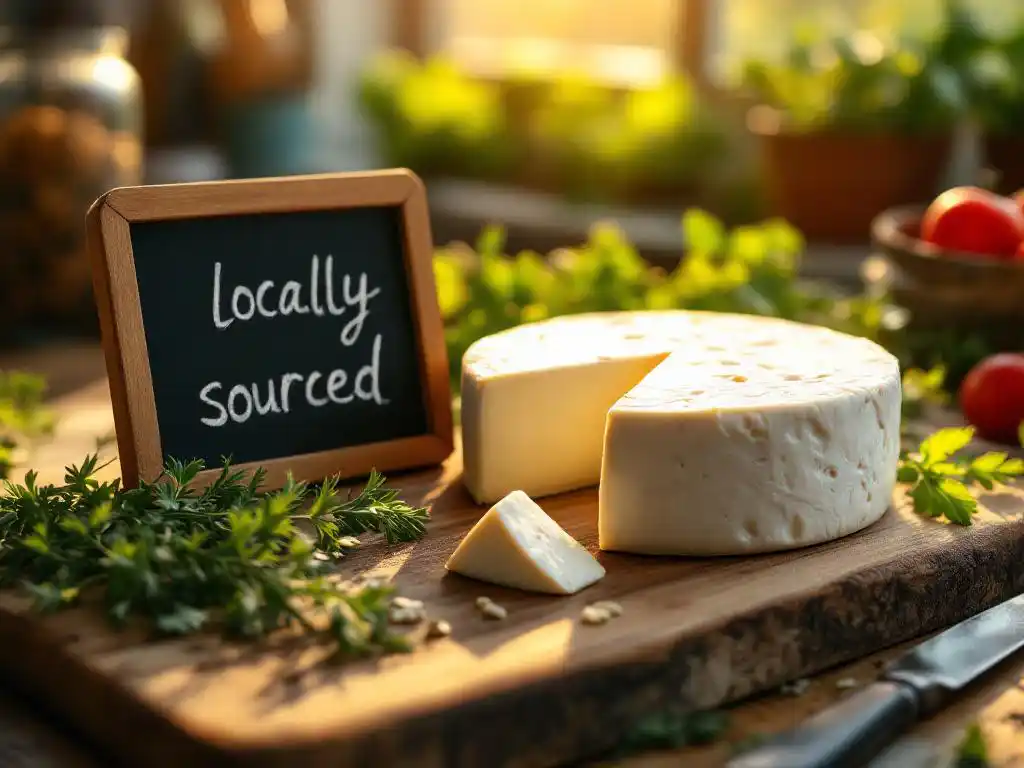
Goat cheese attracts conscious consumers through its unique combination of health benefits, environmental advantages, and ethical production methods. Unlike traditional cow’s milk cheese, goat cheese offers easier digestibility, lower lactose content, and a different protein structure that appeals to those with dietary sensitivities. Sustainable farming practices, a smaller carbon footprint, and artisanal production methods align perfectly with the values of environmentally and ethically minded consumers seeking authentic, wholesome food choices.
What makes goat cheese different from regular cheese for health-conscious consumers?
Goat cheese contains smaller fat globules and different protein structures that make it significantly easier to digest than cow’s milk cheese. The A2 casein protein in goat cheese is gentler on the digestive system, while cow’s milk typically contains A1 casein that can cause discomfort for many people. Additionally, goat cheese naturally contains less lactose, making it a suitable option for those with mild lactose intolerance.
The nutritional profile of goat cheese particularly appeals to health-conscious consumers seeking nutrient-dense foods. It provides higher levels of vitamin A, calcium, and medium-chain fatty acids compared to many cow’s milk cheeses. These medium-chain fatty acids are metabolized more efficiently by the body, potentially supporting weight management and providing quick energy.
For consumers managing dietary sensitivities, goat cheese offers a valuable alternative that doesn’t compromise on taste or versatility. The different protein structure means that some people who experience inflammation or digestive issues with cow’s milk products can often tolerate goat cheese without problems. This makes it an excellent choice for those following anti-inflammatory diets or managing autoimmune conditions.
Why do environmentally conscious consumers choose goat cheese over cow’s cheese?
Goat farming requires significantly fewer resources than traditional dairy farming, making it an environmentally sustainable choice. Goats need less water, less feed, and less land per unit of milk produced compared to cows. They also produce considerably less methane, a potent greenhouse gas, contributing to a lower carbon footprint for goat cheese production.
The efficiency of goat farming extends to land use and grazing practices. Goats can thrive on marginal land unsuitable for cattle, browsing on shrubs and weeds that other livestock won’t eat. This natural browsing behavior helps manage vegetation without the need for mechanical clearing or herbicides, supporting biodiversity and soil health.
Water conservation is another compelling factor for environmentally conscious consumers. Goats require approximately 20% less water than cows to produce the same amount of milk. When considering the entire production process from farm to table, goat cheese production uses substantially fewer water resources, making it a more sustainable choice in regions facing water scarcity.
How does artisanal goat cheese production support ethical food values?
Artisanal goat cheese production typically involves smaller herds and more personalized animal care than industrial dairy operations. Goat farmers often know their animals individually, monitoring their health and well-being closely. This intimate scale of production allows for higher animal welfare standards, with goats enjoying more natural living conditions and individualized attention.
Traditional production methods used in artisanal goat cheese making preserve cultural heritage while supporting local economies. Small-scale producers often employ time-honored techniques passed down through generations, creating unique flavors and textures that cannot be replicated in mass production. These methods typically avoid unnecessary additives and processing, resulting in a more natural product.
The economic impact of choosing artisanal goat cheese extends beyond the farm. Small producers often source supplies locally, employ community members, and contribute to rural economic sustainability. By supporting these producers, conscious consumers help maintain agricultural diversity and prevent the consolidation of food production into large industrial operations.
What nutritional benefits do conscious consumers find in goat cheese?
Goat cheese provides exceptional nutritional value with higher bioavailability of essential nutrients compared to many other cheeses. It contains more calcium per serving than cow’s milk cheese, with the calcium in a form that’s easier for the body to absorb. The vitamin A content is also notably higher, supporting immune function and eye health.
The calorie content of goat cheese is typically lower than that of equivalent cow’s milk cheeses, appealing to weight-conscious consumers. A standard serving contains fewer calories while still providing satisfying protein and healthy fats. The beneficial probiotics naturally present in many goat cheeses support digestive health and may contribute to improved immune function.
The anti-inflammatory properties of goat cheese make it particularly attractive to health-focused consumers. The specific fatty acid profile, including caprylic and capric acids, has been associated with reduced inflammation markers. These properties, combined with easier digestibility, make goat cheese a preferred choice for those managing inflammatory conditions or seeking to optimize their overall health through dietary choices.
How does DeJong Cheese support conscious consumption choices?
We at DeJong Cheese have maintained traditional production methods since 1995, creating artisanal goat cheese that meets the highest standards for conscious consumers. Our Alphenaer brand represents our commitment to quality, combining time-honored recipes with modern food safety standards to deliver products that satisfy both ethical and health-conscious requirements.
Our approach to supporting conscious consumption includes:
- Traditional family recipes that avoid unnecessary additives
- The highest food safety certifications for peace of mind
- Flexible packaging options to reduce waste
- Fresh and aged varieties to suit different dietary preferences
- A commitment to consistent quality that supports your healthy lifestyle
We understand that today’s conscious consumers seek transparency and authenticity in their food choices. That’s why we maintain close relationships with our partners and offer customized solutions for businesses that share our values. Whether you’re looking for bulk options for your restaurant or private-label products for your health food store, we provide the flexibility and quality that conscious consumers demand through our foodservice solutions.
Discover how our traditional goat cheese can enhance your product offerings and support your conscious consumers’ needs. For personalized assistance in selecting the right products, please contact our team. You can also find our products at various locations throughout the region.
Frequently Asked Questions
How do I store goat cheese to maintain its quality and extend shelf life?
Store fresh goat cheese in its original packaging or wrapped tightly in wax paper in the coldest part of your refrigerator (35-40°F). For aged goat cheeses, wrap in cheese paper or parchment paper, then place in a partially open plastic bag to allow breathing. Fresh goat cheese typically lasts 1-2 weeks after opening, while aged varieties can last 3-4 weeks when properly stored.
Can I freeze goat cheese, and how does it affect the texture?
While you can freeze goat cheese for up to 3 months, it will change the texture, making it more crumbly and less creamy. Frozen goat cheese works best in cooked dishes like quiches, pasta, or baked goods rather than fresh applications. To freeze, wrap portions tightly in plastic wrap and place in an airtight container, then thaw slowly in the refrigerator before use.
What are the best wine and food pairings for different types of goat cheese?
Fresh goat cheese pairs beautifully with crisp white wines like Sauvignon Blanc or Albariño, and complements honey, fresh herbs, and stone fruits. Aged goat cheeses work well with light red wines like Pinot Noir or rosé, and pair excellently with nuts, dried fruits, and crusty bread. For cooking, goat cheese enhances salads, pizzas, and vegetable tarts with its tangy flavor profile.
How can I tell if I'm actually lactose intolerant or just sensitive to cow's milk proteins?
Lactose intolerance causes digestive symptoms like bloating and gas within 30 minutes to 2 hours after consuming dairy, while cow’s milk protein sensitivity may cause delayed reactions including skin issues, respiratory problems, or inflammation. Try eliminating cow’s milk products for 2-3 weeks, then introduce goat cheese – if you tolerate it well, you’re likely sensitive to cow’s milk proteins rather than lactose.
What certifications should I look for when buying ethical and sustainable goat cheese?
Look for certifications like Animal Welfare Approved, Certified Humane, or local organic certifications that ensure high animal welfare standards. For environmental sustainability, seek out producers who mention regenerative farming practices, local sourcing, or carbon-neutral operations. Small-scale, family-owned operations often provide transparency about their practices even without formal certifications.
Is goat cheese safe during pregnancy, and what types should be avoided?
Pasteurized goat cheese is safe during pregnancy and provides beneficial nutrients like calcium and protein. Avoid unpasteurized (raw milk) goat cheeses and soft-ripened varieties with white rinds like chèvre or fresh goat cheese from farmers’ markets unless you’re certain they’re made from pasteurized milk. Hard, aged goat cheeses are generally safe as the aging process reduces harmful bacteria risk.