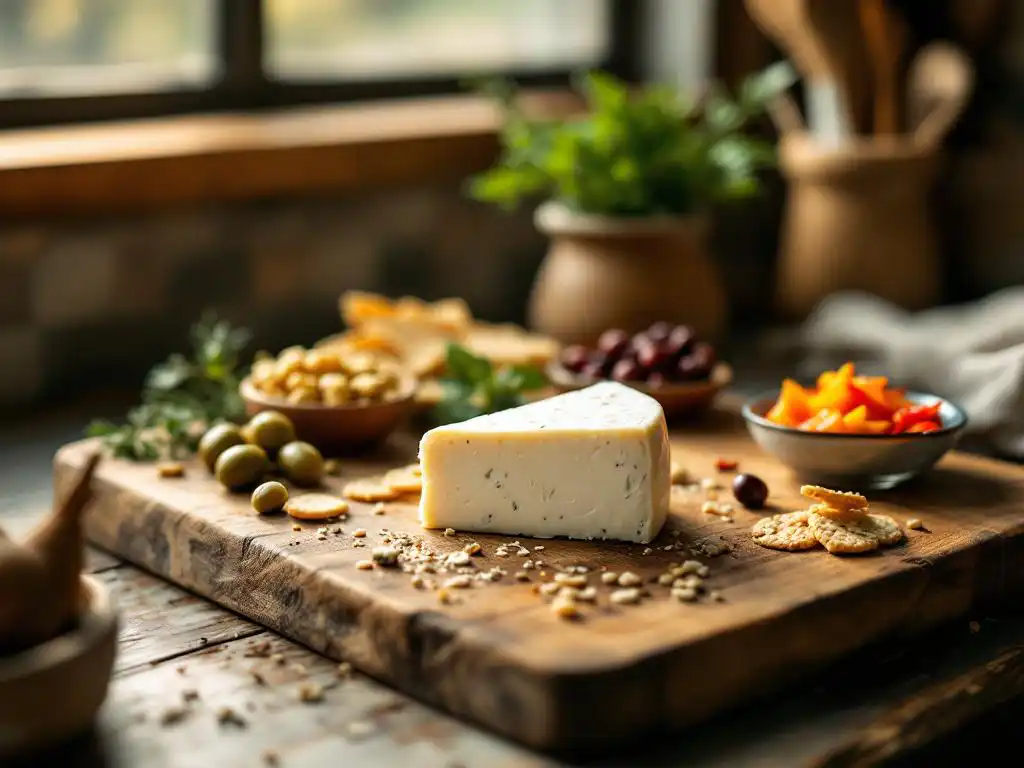
Goat cheese has emerged as a versatile ingredient in cross-border food concepts due to its unique nutritional profile, adaptability to various cuisines, and practical advantages for international trade. With lower lactose content than cow’s milk cheese, distinctive flavour profiles, and excellent shelf-life characteristics, goat cheese meets the demands of diverse global markets. This comprehensive guide explores why goat cheese has become increasingly popular in international food concepts and how businesses can leverage its benefits for cross-border success.
What makes goat cheese unique for international food markets?
Goat cheese stands out in international markets primarily due to its superior digestibility and lower lactose content compared to cow’s milk products. The smaller fat globules and different protein structure make it easier to digest, appealing to consumers across various cultures who may experience sensitivity to traditional dairy products. Additionally, goat cheese contains higher levels of certain nutrients, including vitamin A, potassium, and medium-chain fatty acids.
The flavour versatility of goat cheese ranges from mild and creamy to sharp and tangy, allowing it to complement both subtle and bold culinary applications. This adaptability makes it suitable for diverse palates and dietary preferences worldwide. Fresh goat cheese offers a clean, light taste that works well in health-conscious markets, while aged varieties provide complex flavours appreciated by gourmet food enthusiasts.
From a nutritional standpoint, goat cheese typically contains fewer calories and less fat than many cow’s milk cheeses, while maintaining a high protein content. This nutritional profile aligns perfectly with growing global health trends, making it attractive to markets focused on wellness and balanced nutrition. The presence of beneficial probiotics in certain goat cheese varieties further enhances its appeal to health-conscious consumers internationally.
How does goat cheese adapt to different culinary traditions?
Goat cheese demonstrates remarkable versatility across international cuisines, seamlessly integrating into both traditional recipes and modern culinary innovations. In Mediterranean cuisine, it enhances salads, pastries, and grilled dishes, while Asian fusion applications showcase its ability to complement umami-rich ingredients and delicate flavours. The cheese’s neutral base allows it to absorb and enhance surrounding flavours without overpowering dishes.
Traditional European applications include French chèvre in quiches and tarts, Spanish goat cheese in tapas, and Greek feta-style goat cheese in classic dishes. Modern culinary innovations have expanded these uses to include goat cheese in sushi rolls, Asian-inspired salads, and fusion pizzas. The cheese’s melting properties make it suitable for both cold preparations and cooked applications, from creamy sauces to gratins.
Contemporary chefs appreciate goat cheese for its ability to bridge flavour profiles between different cuisines. Its tangy notes complement sweet elements in Middle Eastern dishes, while its creaminess balances spicy components in Latin American cuisine. This adaptability allows food manufacturers and restaurants to create innovative cross-cultural menu items that appeal to adventurous diners seeking new taste experiences.
What are the logistical advantages of goat cheese for cross-border trade?
Goat cheese offers significant practical benefits for international distribution, including excellent shelf-life stability when properly packaged and stored. Fresh goat cheese maintains quality for several weeks under refrigeration, while aged varieties can last for months, reducing waste and improving supply chain efficiency. These characteristics make goat cheese particularly suitable for long-distance transportation and extended distribution networks.
Packaging flexibility represents another key advantage, with options ranging from bulk formats for food service to consumer-friendly portions for retail. Vacuum-sealed packaging, modified-atmosphere packaging, and traditional wrapping methods all work effectively with goat cheese, allowing businesses to choose solutions that best suit their target markets and transportation requirements.
Regulatory compliance for goat cheese tends to be straightforward across most international markets. The product generally meets various dietary certifications, including halal and kosher standards, facilitating entry into diverse markets. Additionally, goat cheese production often requires less intensive farming practices than cow’s milk cheese, aligning with sustainability requirements that are increasingly important in international trade agreements.
Which global food trends favour goat cheese in international concepts?
Current international food trends strongly favour goat cheese, particularly the growing demand for premium, artisanal products that tell a story. Consumers worldwide increasingly seek authentic, traditionally made foods with traceable origins, and goat cheese perfectly fits this narrative. The rise of plant-forward menus, where dairy plays a supporting rather than central role, also benefits goat cheese due to its strong flavour impact in smaller quantities.
Health consciousness drives another major trend supporting goat cheese adoption. With rising awareness about lactose intolerance and digestive health, consumers actively seek alternatives to traditional dairy products. Goat cheese’s natural digestibility and nutritional benefits position it as a premium choice for health-focused consumers without requiring them to abandon dairy entirely.
The trend toward dietary inclusivity in restaurants and food service operations further enhances goat cheese’s market position. Its ability to accommodate various dietary needs while maintaining familiar cheese characteristics makes it valuable for businesses serving diverse customer bases. The premium positioning of goat cheese also aligns with consumers’ willingness to pay more for perceived quality and health benefits.
How does De Jong Cheese support international food concepts?
We at De Jong Cheese understand the unique challenges of incorporating goat cheese into cross-border food concepts. Our comprehensive solutions help businesses successfully integrate high-quality goat cheese into their international offerings through:
- Bulk packaging options designed for efficient international shipping and storage
- Private-label capabilities that allow businesses to build their own brand identity
- International food safety certifications meeting the highest global standards
- Customised product development to match specific market preferences and applications
- Flexible production volumes accommodating both large-scale operations and speciality needs
- Technical support for product integration and menu development
Our extensive experience serving over 20 countries has given us deep insights into various market requirements and consumer preferences. We work closely with partners to develop goat cheese solutions that meet local tastes while maintaining consistent quality standards. Whether you need fresh goat cheese for salads, aged varieties for gourmet applications, or speciality products for unique culinary concepts, we provide tailored solutions.
Ready to explore how our goat cheese can enhance your international food concepts? Visit our foodservice page to discover our complete product range, or contact us directly to discuss your specific requirements. For those interested in retail opportunities, explore our sales points to find where our products are available.
Frequently Asked Questions
What are the main challenges when importing goat cheese for international food concepts?
The primary challenges include maintaining cold chain integrity during transport, navigating varying import regulations across different countries, and ensuring product consistency despite seasonal variations in milk quality. Working with experienced suppliers who understand international logistics and have established distribution networks can significantly reduce these challenges, while proper packaging selection and temperature monitoring systems help maintain product quality throughout the supply chain.
How can I determine the right type of goat cheese for my specific market or cuisine?
Start by analysing your target market’s flavour preferences and typical dairy consumption patterns, then conduct small-scale taste tests with different goat cheese varieties ranging from mild fresh cheeses to aged, complex options. Consider factors like your menu’s existing flavour profiles, price points, and whether the cheese will be used as a primary ingredient or accent, and consult with suppliers who can provide samples and technical guidance for your specific culinary applications.
What's the typical shelf life difference between goat cheese and cow's milk cheese in international shipping?
Fresh goat cheese typically maintains quality for 4-6 weeks under proper refrigeration, while aged varieties can last 3-6 months, which is comparable to or sometimes better than equivalent cow’s milk cheeses. The key advantage lies in goat cheese’s stability during temperature fluctuations and its resistance to quality degradation, making it particularly suitable for international shipping where transit times and conditions may vary.
How do I calculate the right portion sizes and pricing for goat cheese in cross-border concepts?
Due to goat cheese’s stronger flavour profile, you typically need 20-30% less quantity compared to mild cow’s milk cheeses, which helps offset its premium price point. Calculate portions based on the cheese’s role in the dish (30-50g for salads, 60-80g for main courses), factor in your local market’s price sensitivity, and remember that goat cheese’s perceived health benefits and artisanal status often justify a 15-25% premium over standard cheese options.
What certifications should I look for when sourcing goat cheese for international markets?
Essential certifications include HACCP or equivalent food safety standards, halal and kosher certifications for relevant markets, and organic or animal welfare certifications if targeting premium segments. Additionally, look for suppliers with BRC or IFS certifications for quality management, and consider sustainability certifications like carbon-neutral production or animal welfare standards, which increasingly influence purchasing decisions in developed markets.
How can I prevent common quality issues when storing goat cheese in different climates?
Maintain consistent refrigeration between 2-4°C (35-39°F), ensure proper humidity levels (80-85% for fresh cheese, 75-80% for aged), and use appropriate packaging that allows the cheese to breathe while preventing moisture loss. In tropical climates, invest in reliable cold storage with backup power systems, rotate stock using FIFO principles, and train staff on proper handling procedures to prevent temperature abuse during service preparation.
Related Articles
- How do you evaluate a goat cheese producer's product catalog as a buyer?
- What does a factory audit reveal about the reliability of a cheese producer?
- What are the benefits of goat cheese in artisan pizza production?
- What are shelf-ready packaging options for goat cheese?
- What is the texture of goat cheese?