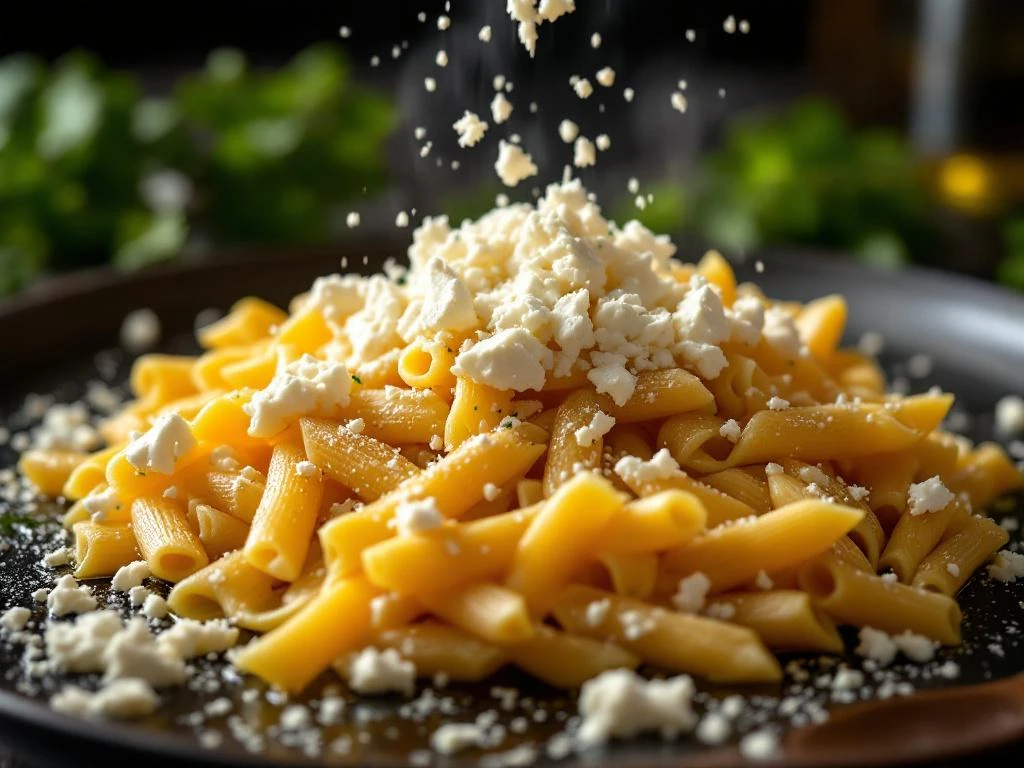
Yes, goat cheese is an excellent fit for pasta dishes in commercial menus. Its distinctive tangy flavour and creamy texture create premium dining experiences that appeal to diverse customer preferences. The versatility of goat cheese allows it to enhance both hot and cold pasta preparations, while its lower lactose content makes it suitable for guests with dietary sensitivities. From fresh crumbles to melted sauces, goat cheese elevates pasta dishes and justifies higher menu pricing, making it a profitable addition for restaurants seeking to differentiate their offerings.
Why are restaurants adding goat cheese to their pasta menus?
Restaurants are increasingly incorporating goat cheese into their pasta offerings because it delivers a unique flavour profile that sets their dishes apart from competitors. The tangy, creamy characteristics of goat cheese complement both simple and complex pasta preparations, creating memorable dining experiences that encourage repeat visits.
The premium perception associated with goat cheese allows establishments to position pasta dishes at higher price points. When diners see goat cheese featured in a dish, they often perceive greater value and sophistication, which translates into improved profit margins. This perception is particularly strong among millennials and Gen Z customers who actively seek unique, artisanal ingredients.
Additionally, goat cheese addresses the growing demand for dietary alternatives. With naturally lower lactose levels than cow’s milk cheese, it provides an option for lactose-sensitive guests who still want to enjoy creamy pasta dishes. This inclusivity helps restaurants cater to a broader customer base without requiring separate menu items.
What makes goats cheese work well with different pasta types?
Goat cheese’s versatility stems from its unique texture and melting properties, which adapt beautifully to various pasta preparations. In hot applications, fresh goat cheese melts into a silky sauce that coats pasta evenly, while maintaining enough body to prevent the dish from becoming watery. This makes it ideal for both filled pastas like ravioli and unfilled varieties such as penne or linguine.
The cheese performs exceptionally well in cold pasta salads, where its crumbly texture adds visual appeal and flavour contrast. Unlike harder cheeses that can become rubbery when chilled, goat cheese maintains its creamy consistency, ensuring every bite delivers the intended taste experience. Crumbled formats work particularly well with short pasta shapes like fusilli or farfalle, where the cheese can nestle into curves and ridges.
Specific pasta shapes that pair exceptionally well with goat cheese include:
- Orecchiette – the cup shape holds melted goat cheese beautifully
- Cavatappi – spiral ridges grab onto creamy goat cheese sauces
- Gemelli – twisted shape creates pockets for cheese to cling
- Conchiglie – shells trap both sauce and cheese crumbles effectively
How do customers respond to goat cheese pasta options?
Customer acceptance of goat cheese pasta dishes typically follows demographic patterns, with younger diners and urban professionals showing the highest enthusiasm. These groups appreciate the artisanal quality and are willing to pay premium prices for dishes featuring specialty cheeses. Research indicates that customers aged 25-45 are most likely to order goat cheese pasta options, particularly when menu descriptions emphasise the cheese’s origin and quality.
Price point considerations play a crucial role in customer decisions. While goat cheese commands higher prices than standard cheese options, customers generally accept a 15-25% premium when the menu clearly communicates the value proposition. Effective menu descriptions that highlight terms like “creamy local goat cheese” or “artisanal chèvre” help justify the increased cost.
Menu presentation significantly impacts ordering patterns. Descriptions that focus on texture (“silky,” “creamy”), flavour notes (“tangy,” “mild”), and preparation methods (“whipped,” “melted”) generate more interest than simple ingredient lists. Pairing suggestions, such as recommending specific wines or highlighting complementary ingredients like sun-dried tomatoes or fresh herbs, further enhance perceived value.
Which goat cheese varieties perform best in pasta applications?
Fresh goat cheese varieties excel in most pasta applications due to their superior melting properties and mild flavour that doesn’t overpower other ingredients. These cheeses, typically aged less than two weeks, create smooth sauces when heated and maintain a pleasant tang that enhances rather than dominates the dish. For hot pasta preparations, fresh varieties in spreadable or crumbled formats offer the best results.
Aged goat cheeses work better as finishing touches rather than primary ingredients. Their stronger flavour and firmer texture make them ideal for grating over completed dishes or incorporating into cold pasta salads where their complex flavour profiles can shine. Semi-aged varieties (2-4 months) strike a balance, offering more character than fresh cheese while still melting reasonably well.
| Cheese Format | Best Application | Temperature | Texture Result |
|---|---|---|---|
| Spreadable | Cream sauces | Hot | Silky, smooth coating |
| Crumbles | Toppings, mix-ins | Hot or cold | Distinct pieces, partial melting |
| Whipped | Light sauces | Warm | Airy, delicate |
| Sliced/Pucks | Layered dishes | Hot | Even melting layers |
What are the practical considerations for using goat cheese in commercial kitchens?
Storage requirements for goat cheese demand careful attention to maintain quality and safety. Fresh varieties require consistent refrigeration at 2-4°C and should be stored in airtight containers to prevent moisture loss and flavour absorption from other foods. Most fresh goat cheeses have a shelf life of 2-3 weeks when properly stored, though pre-portioned formats may extend usability.
Portion control strategies help manage costs while ensuring consistency. Pre-portioned options like cheese pucks or measured crumbles eliminate waste and speed service during busy periods. Learn more about flexible packaging formats for commercial kitchens that can streamline operations. Many suppliers offer portion sizes ranging from 7g to 23g, allowing precise cost control per dish.
Cost analysis reveals that while goat cheese typically costs 20-40% more than comparable cow’s milk cheeses, the premium pricing it commands often results in better profit margins. Efficient preparation methods include:
- Pre-mixing cheese with herbs or seasonings during prep time
- Preparing base sauces that can be finished with goat cheese to order
- Using whipped formats that incorporate air, extending yield
- Implementing proper FIFO rotation to minimise waste
Key factors for successfully incorporating goats cheese into pasta menus
Successful integration of goat cheese into pasta menus begins with selecting suppliers who can guarantee consistent quality and reliable delivery schedules. Look for producers with proper certifications and the flexibility to provide various formats and portion sizes. Establishing relationships with suppliers who offer both branded and private label options provides menu flexibility while maintaining quality standards.
Staff training proves essential for maximising the potential of goat cheese in pasta dishes. Kitchen teams need education on proper handling techniques, optimal melting temperatures, and presentation standards. Front-of-house staff should understand flavour profiles and preparation methods to answer customer questions confidently and make recommendations that drive sales.
Menu pricing strategies should reflect the premium nature of goat cheese while remaining competitive. Consider creating signature pasta dishes that showcase goat cheese as the star ingredient, justifying higher price points through unique combinations and presentations. Seasonal menu rotations featuring goat cheese pasta specials can generate excitement and test new combinations without permanent menu commitments. Spring offerings might feature fresh herbs and vegetables, while autumn specials could incorporate roasted vegetables and aged goat cheese varieties.
The versatility of goat cheese in pasta applications makes it an invaluable addition to commercial menus. By understanding its unique properties, responding to customer preferences, and implementing practical kitchen strategies, restaurants can successfully leverage this premium ingredient to enhance their pasta offerings and improve profitability.
Related Articles
- What are the hidden costs of inconsistent quality in goat cheese crumbles during production?
- How do you evaluate a goat cheese producer's product catalog as a buyer?
- How do you manage the expiration date of fresh goat cheese pucks in a production environment?
- How does goat cheese enable unique flavour combinations?
- What are minimum order quantities for wholesale goat cheese?