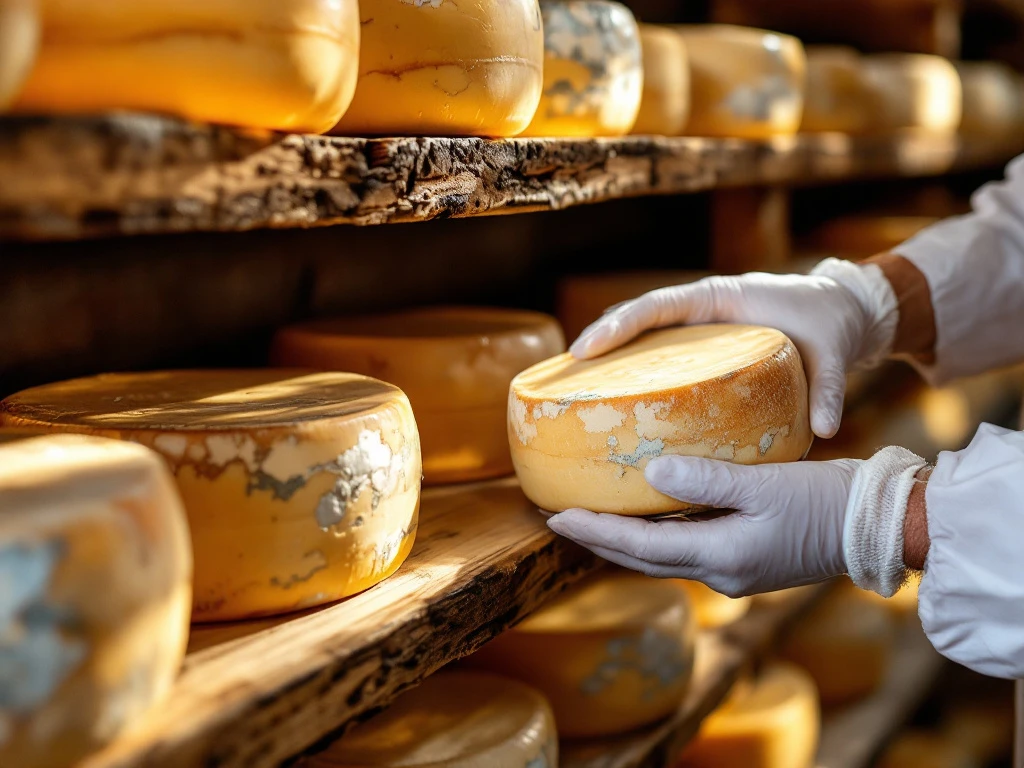
Proper handling procedures for aged goat cheese require maintaining temperatures between 4-8°C (39-46°F) with 80-85% humidity levels. Store wrapped cheese in the refrigerator’s vegetable drawer, using specialised cheese paper or wax paper rather than plastic wrap. Cut aged goat cheese at room temperature with a thin-bladed knife, and consume within 7-10 days after opening for optimal quality and safety.
What temperature should aged goat cheese be stored at?
Aged goat cheese should be stored at 4-8°C (39-46°F) in your refrigerator, ideally in the vegetable drawer where temperature and humidity remain consistent. The optimal humidity level is 80-85%, which prevents the cheese from drying out whilst inhibiting unwanted mould growth. Never store aged goat cheese below 2°C as this can damage its texture and flavour development.
Temperature fluctuations are particularly harmful to aged goat cheese. The vegetable drawer provides the most stable environment in your refrigerator, protecting cheese from the temperature changes that occur when opening the main compartment. If your refrigerator runs colder than 4°C, consider storing the cheese in a small container with ventilation holes to create a microclimate.
For short-term storage (up to one week), you can keep properly wrapped aged goat cheese at the standard refrigerator temperature of 3-5°C. However, for longer storage periods, maintaining that slightly warmer range of 6-8°C helps preserve the cheese’s complex flavours and creamy texture. Some cheese enthusiasts use wine refrigerators set to 7°C for their aged cheese collection, as these units maintain more consistent temperatures than standard refrigerators.
How do you properly wrap and store aged goat cheese?
Wrap aged goat cheese in specialised cheese paper or wax paper, which allows the cheese to breathe whilst maintaining proper moisture levels. Avoid plastic wrap entirely, as it traps moisture and creates an anaerobic environment that can lead to off-flavours and premature spoilage. After wrapping in cheese paper, place the wrapped cheese in a partially open container or perforated bag for additional protection.
The wrapping technique matters significantly for aged goat cheese preservation. Start by placing the cheese on a diagonal corner of the paper, fold the sides over, then roll the cheese forward whilst tucking in the edges. This creates a breathable package that protects the cheese surface whilst allowing gas exchange. Label each package with the date to track freshness.
For cheeses like our ripened goat cheese varieties, which develop a natural rind during ageing, extra care is needed. These cheeses benefit from being rewrapped in fresh paper every 3-4 days to prevent excess moisture accumulation. Store different types of aged goat cheese separately, as stronger varieties can transfer flavours to milder ones. A dedicated cheese drawer or container in your refrigerator helps maintain organisation whilst preventing cross-contamination with other foods.
What’s the best way to cut aged goat cheese without crumbling?
The best way to cut aged goat cheese without crumbling is to let it reach room temperature (18-20°C) for 30-45 minutes before cutting, then use a thin-bladed knife dipped in hot water and wiped dry between cuts. This temperature adjustment makes the cheese more pliable, whilst the warm knife glides through without dragging or breaking the cheese structure.
Knife selection plays a crucial role in achieving clean cuts. A cheese wire or dental floss works excellently for very aged, crumbly goat cheeses, as these tools slice through without applying downward pressure. For semi-aged varieties, a narrow blade knife or cheese plane provides better control. Always cut with a gentle sawing motion rather than pressing down, which can cause cracking.
Different aged goat cheese textures require adapted techniques. For firm aged varieties, score the surface lightly before making the full cut to prevent unexpected breaks. With creamy-centred aged cheeses, wipe the knife between each cut to prevent dragging. When portioning for service, cut from the centre outward in wedges to preserve the rind’s protective qualities on remaining portions. Professional cheese handlers often keep multiple knives at different temperatures to match various cheese consistencies.
How long can aged goat cheese be kept once opened?
Aged goat cheese can be kept for 7-10 days once opened when properly wrapped and stored at correct temperatures. Hard aged varieties may last up to two weeks, whilst softer aged goat cheeses should be consumed within one week. The key indicators of freshness include maintaining the original aroma, absence of unusual mould growth, and consistent texture throughout.
Several factors influence storage duration after opening. The cheese’s initial age and moisture content are primary determinants – drier, more aged cheeses naturally last longer than younger varieties. Proper rewrapping after each use is essential; never return cheese to its original packaging once opened. Instead, use fresh cheese paper each time to maintain optimal conditions.
Watch for quality deterioration signs including surface discolouration, ammonia-like odours, or texture changes such as unexpected softening or hardening. Natural white or blue-grey moulds on aged goat cheese rinds are often intentional and safe, but fuzzy green, black, or pink moulds indicate spoilage. To extend shelf life, only cut what you need for immediate use, keeping the remaining cheese intact. Some aged goat cheeses actually improve for several days after opening as they continue to breathe and develop flavour.
What are common mistakes when handling aged goat cheese?
Common mistakes when handling aged goat cheese include storing it too cold (below 2°C), wrapping in plastic, cutting straight from the refrigerator, and exposing it to temperature shocks. These errors compromise texture, accelerate spoilage, and diminish the complex flavours developed during ageing. Cross-contamination from using the same knife for different cheeses also transfers unwanted flavours and bacteria.
Temperature shock occurs when moving cheese directly from refrigerator to warm environments or vice versa. This causes moisture condensation on the surface, leading to premature mould growth and texture degradation. Always transition cheese gradually – remove from refrigeration 30-45 minutes before serving, and return any remainder to cool storage within two hours of removal.
Improper serving temperatures represent another frequent error. Aged goat cheese served too cold masks its nuanced flavours and creates an unpleasantly firm texture. Conversely, leaving cheese at room temperature too long causes oil separation and bacterial growth. Professional handling requires dedicated cheese knives to prevent flavour mixing, separate storage containers for different varieties, and careful attention to hygiene when handling. Many people also mistake surface mould for spoilage when it’s actually part of the cheese’s character – learn to distinguish between intentional rind development and actual deterioration.
Understanding proper handling procedures for aged goat cheese ensures you experience its full flavour potential whilst maintaining food safety. From precise temperature control to appropriate wrapping methods, each step contributes to preserving the craftsmanship that goes into creating these artisanal cheeses. Whether you’re a foodservice professional seeking consistent quality or a retailer aiming to minimise waste, mastering these handling techniques protects your investment whilst delighting customers with perfectly preserved aged goat cheese.
At DeJong Cheese, we understand the importance of proper cheese handling throughout the supply chain. Our expertise in producing premium goat cheese extends to helping our partners maintain quality from our facility to final service. Contact us to learn more about our range of aged goat cheeses and professional handling recommendations tailored to your specific needs.
Related Articles
- What are the benefits of an exclusive partnership with a specialized goat cheese producer?
- What are the hidden costs of inconsistent quality in goat cheese crumbles during production?
- What are cash flow considerations for goat cheese purchasing?
- How to transport goat cheese safely?
- How to store goat cheese in commercial kitchens?