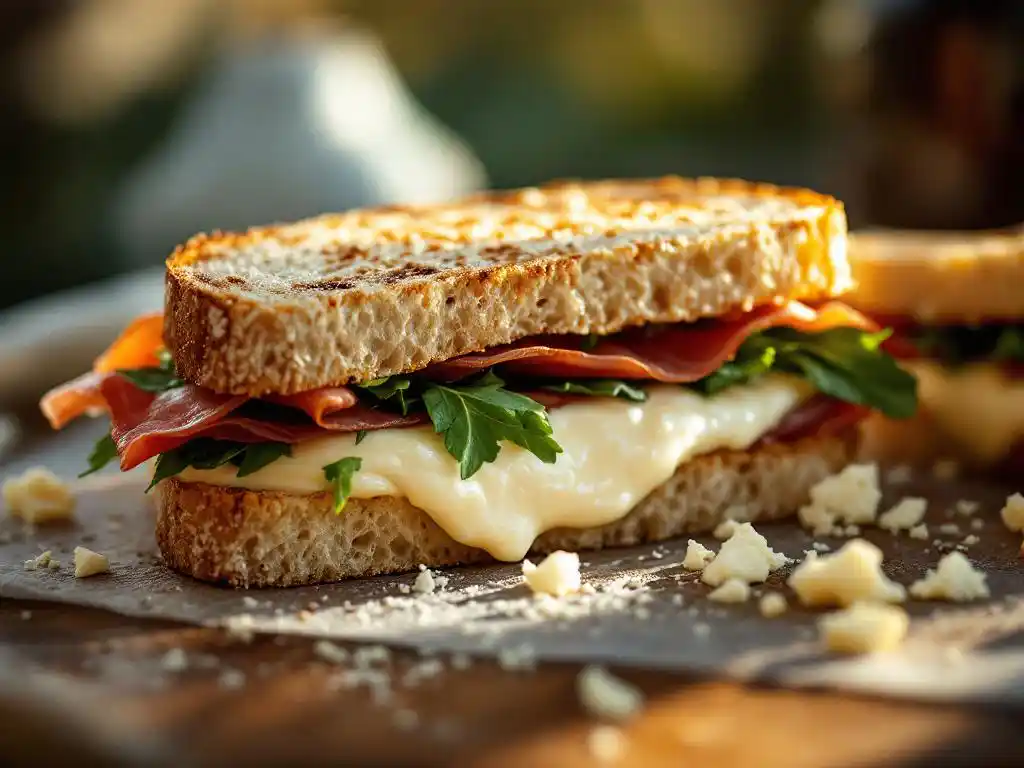
Goat cheese transforms ordinary sandwiches into premium culinary experiences through its distinctive creamy texture, tangy flavour profile, and exceptional versatility. Unlike traditional sandwich cheeses, goat cheese offers a sophisticated taste that pairs beautifully with both simple and complex ingredients, making it ideal for foodservice operators seeking to elevate their sandwich offerings. This comprehensive guide explores how goat cheese enhances sandwich concepts, from selection and pairing to operational benefits and innovation opportunities.
What makes goat cheese ideal for premium sandwich concepts?
Goat cheese stands out in premium sandwich applications due to its unique combination of creamy spreadability, distinctive tangy flavour, and ability to complement diverse ingredients without overpowering them. Its naturally lower lactose content appeals to health-conscious consumers, while its artisanal image adds perceived value to any sandwich offering.
The texture of goat cheese provides exceptional functionality in sandwich preparation. Fresh goat cheese spreads smoothly across bread surfaces, creating a moisture barrier that prevents sogginess while adding richness. This spreadable quality eliminates the need for additional condiments, simplifying preparation while maintaining flavour complexity.
Temperature versatility makes goat cheese particularly valuable for varied sandwich concepts. In cold applications, it maintains its creamy consistency and bright flavour. When heated, goat cheese softens beautifully without becoming runny or separating like some other soft cheeses. This stability ensures consistent quality whether serving paninis, grilled sandwiches, or cold preparations.
The flavour profile of goat cheese brings sophistication to sandwich offerings. Its characteristic tanginess cuts through rich ingredients like roasted vegetables or cured meats, while its creamy notes balance acidic components such as tomatoes or pickled vegetables. This natural flavour balance reduces the need for multiple condiments, streamlining both preparation and ingredient costs.
Which types of goat cheese work best in different sandwich styles?
Fresh chèvre works exceptionally well in cold sandwiches and wraps, offering smooth spreadability and mild tanginess that complements delicate ingredients. Aged goat cheeses provide firmer textures suitable for slicing in paninis and grilled sandwiches, while semi-soft varieties offer versatility across multiple applications.
For cold sandwich applications, fresh goat cheese varieties excel. Creamy chèvre spreads effortlessly on baguettes, ciabatta, or wraps, creating a luxurious base for vegetables, herbs, and proteins. Herb-infused varieties add complexity without requiring additional seasoning, perfect for grab-and-go offerings that need immediate flavour impact.
Grilled sandwich concepts benefit from semi-aged goat cheeses that maintain structure when heated. These varieties melt gently rather than becoming liquid, ensuring even distribution throughout the sandwich. Their concentrated flavour stands up well to heartier ingredients like grilled vegetables, caramelised onions, or robust meats.
Specialty goat cheese varieties open creative possibilities for signature sandwiches. Ash-ripened goat cheeses add visual appeal and earthy notes to open-faced sandwiches. Honey- or truffle-infused options create instant premium offerings without complex preparation. Log-shaped formats simplify portioning for consistent serving sizes and cost control.
How do you balance goat cheese flavours with other sandwich ingredients?
Successful goat cheese sandwich combinations rely on understanding complementary flavours and textures. Sweet elements like roasted red peppers, caramelised onions, or fig jam balance the cheese’s tanginess, while fresh herbs and bitter greens provide contrast that prevents flavour fatigue.
Vegetable pairings with goat cheese follow natural affinity principles. Roasted Mediterranean vegetables like aubergine, courgette, and tomatoes harmonise with goat cheese’s creamy tang. Raw vegetables such as cucumber, radish, or peppery rocket add textural contrast and freshness that brightens the overall flavour profile.
Protein combinations require thoughtful selection to complement rather than compete with goat cheese. Prosciutto and other cured meats provide salty contrast that enhances the cheese’s natural flavours. Grilled chicken offers a neutral protein that allows goat cheese to shine, while smoked salmon creates an elegant combination popular in premium breakfast sandwiches.
Seasonal ingredient rotations keep goat cheese sandwiches interesting throughout the year. Spring combinations might feature asparagus and fresh peas, summer sandwiches showcase tomatoes and basil, autumn brings roasted squash and cranberries, while winter combinations incorporate roasted root vegetables and warming spices. These seasonal variations maintain menu excitement while leveraging ingredient availability.
What are the operational benefits of using goat cheese in foodservice?
Goat cheese offers practical advantages for foodservice operations, including extended shelf life compared to many soft cheeses, consistent portion control, versatile application across menu items, and simplified inventory management. These operational benefits translate directly to improved efficiency and profitability.
Storage and handling requirements for goat cheese align well with professional kitchen needs. Properly stored goat cheese maintains quality for several weeks, reducing waste and ensuring consistent availability. Its stable texture at refrigeration temperatures means it is ready to use immediately without tempering, speeding preparation during service rushes.
Portion control becomes straightforward with goat cheese’s various format options. Pre-portioned medallions eliminate weighing and ensure consistent cost per sandwich. Log formats allow quick slicing to specification, while bulk containers suit high-volume operations. This flexibility accommodates different service styles and volume requirements.
Cross-utilisation opportunities maximise goat cheese value across menu applications. The same goat cheese used in sandwiches enhances salads, pizzas, and appetisers, reducing inventory complexity. This versatility simplifies purchasing decisions and minimises waste through multiple usage opportunities. Staff training becomes more efficient when one premium ingredient serves multiple menu categories.
How does DeJong Cheese help with premium sandwich innovation?
We at DeJong Cheese understand the unique challenges foodservice operators face when creating distinctive sandwich offerings. Our Alphenaer brand provides tailored solutions that combine traditional craftsmanship with modern foodservice requirements, helping partners develop signature sandwich concepts that stand out in competitive markets.
Our comprehensive support for sandwich innovation includes:
- Bulk packaging formats designed specifically for high-volume sandwich operations
- Consistent quality standards that ensure reliable performance across all service periods
- Custom product development to create exclusive sandwich cheese varieties
- Technical support for recipe development and application guidance
- Flexible ordering options accommodating seasonal menu changes
We work closely with foodservice partners to develop goat cheese solutions that address specific operational needs. Whether you require pre-portioned formats for quick service, specialty flavour profiles for signature sandwiches, or private label options for brand differentiation, our team provides hands-on support throughout the development process.
Ready to elevate your sandwich offerings with premium goat cheese? Explore our foodservice solutions to discover how our artisanal goat cheeses can transform your menu. Contact our team to discuss custom development options, or find our products through our distribution partners.
Frequently Asked Questions
How much goat cheese should I use per sandwich to achieve the right balance without overpowering other ingredients?
For optimal flavour balance, use 30-50 grams of fresh goat cheese per sandwich, adjusting based on bread size and other ingredients. Spread it thinly for delicate combinations or use up to 75 grams for heartier sandwiches where goat cheese is the star. Remember that goat cheese’s intense flavour means less is often more, and you can always offer extra on the side for customers who prefer a stronger taste.
What's the best way to prevent goat cheese from making sandwiches soggy during storage or delivery?
Create a moisture barrier by spreading goat cheese directly on both bread surfaces before adding wet ingredients like tomatoes or roasted vegetables. For make-ahead sandwiches, place lettuce or spinach leaves between the goat cheese and moisture-rich ingredients. Consider using firmer, aged goat cheese varieties for sandwiches that need to hold longer, and always store prepared sandwiches at proper refrigeration temperatures to maintain texture integrity.
Can I prepare goat cheese sandwich fillings in advance, and how long will they stay fresh?
Goat cheese spreads and compound mixtures can be prepared up to 5 days in advance when stored in airtight containers at proper refrigeration temperatures. Mix goat cheese with herbs, spices, or other stable ingredients, but add fresh elements like chopped vegetables just before service. Pre-portioned goat cheese mixtures in piping bags or containers streamline sandwich assembly during busy service periods while maintaining quality.
How do I handle customer concerns about the strong taste of goat cheese in sandwiches?
Start with milder, fresh goat cheese varieties and pair them with familiar, complementary ingredients like roasted red peppers or honey to ease customers into the flavour profile. Offer tasting samples or create ‘gateway’ sandwiches that blend goat cheese with cream cheese for a gentler introduction. Train staff to recommend specific combinations based on customer preferences, highlighting how ingredients like caramelised onions or fig jam balance the tanginess.
What are common mistakes to avoid when grilling or toasting sandwiches with goat cheese?
Avoid using too high heat, which can cause goat cheese to separate or become grainy – medium heat allows gentle melting while maintaining creamy texture. Don’t overfill sandwiches as goat cheese becomes more fluid when heated and may leak out. Use sturdy bread that can support the softened cheese, and consider mixing goat cheese with a small amount of cream cheese for grilled applications to improve melt characteristics without sacrificing flavour.
How can I calculate accurate food costs when using premium goat cheese in sandwiches?
Calculate cost per sandwich by dividing the price per kilogram by your portion size (typically 30-50g), then factor in the reduced need for additional condiments and spreads that goat cheese replaces. Premium goat cheese often justifies higher menu prices – aim for a 25-30% food cost on goat cheese sandwiches. Track waste carefully and adjust portions if needed, remembering that goat cheese’s intense flavour and customer perception of value often support premium pricing strategies.