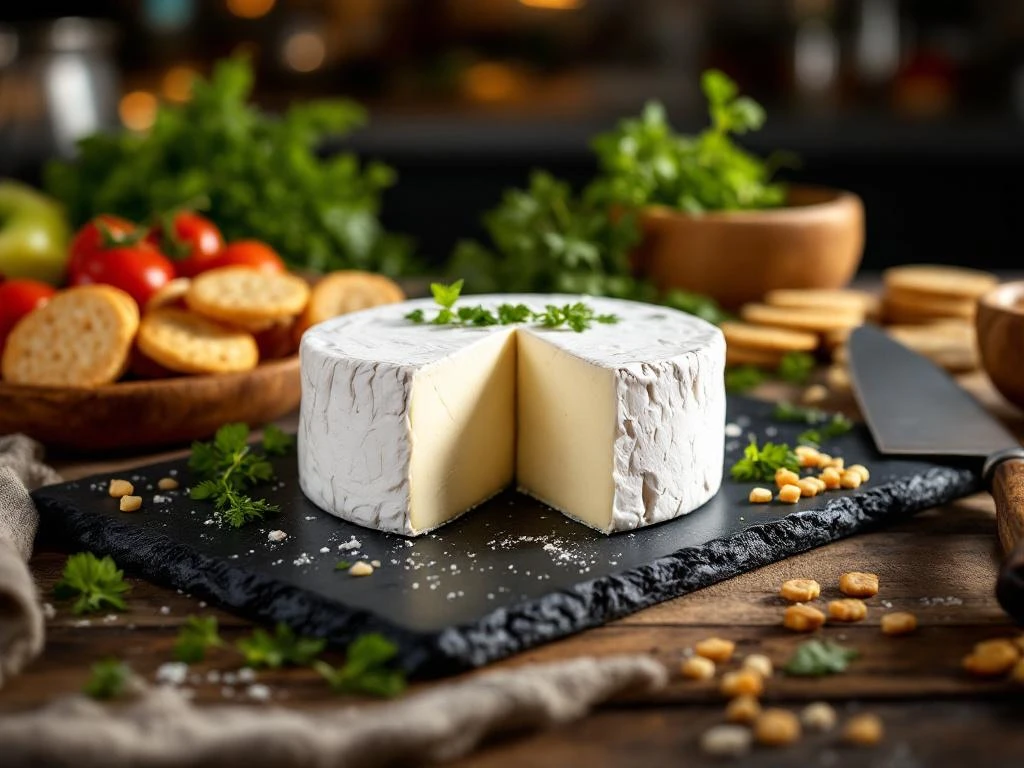
Yes, goat cheese represents an excellent healthy choice for professional menus. Its unique nutritional profile, featuring easier digestibility, lower lactose content, and rich vitamin composition, makes it particularly suitable for health-conscious diners. Professional kitchens increasingly value goat cheese for its versatility across menu categories, distinctive flavour profiles that range from mild and creamy to sharp and tangy, and its ability to meet various dietary preferences including those seeking alternatives to cow’s milk products.
Why are chefs choosing goat cheese for their menus?
Chefs are embracing goat cheese as a premium ingredient that elevates their culinary offerings whilst meeting modern dining expectations. The growing preference stems from its exceptional versatility, allowing creative applications from appetisers through to desserts. Unlike many traditional cheeses, goat cheese offers a distinctive tanginess that complements both savoury and sweet preparations, making it invaluable for menu development.
The culinary appeal extends beyond flavour alone. Fresh goat cheese provides a creamy texture that melts beautifully in hot dishes, whilst aged varieties offer complex flavour profiles that rival the finest cow’s milk cheeses. This versatility enables chefs to create signature dishes that stand out in competitive dining markets. Additionally, goat cheese addresses the increasing demand for healthier menu options without compromising on taste or presentation quality.
Professional kitchens particularly appreciate goat cheese for its ability to enhance simple ingredients. Whether crumbled over salads, spread on artisanal breads, or incorporated into sauces, it adds sophistication to dishes whilst maintaining clean, recognisable flavours that diners appreciate. The cheese’s natural affinity with Mediterranean ingredients, seasonal vegetables, and fresh herbs makes it particularly valuable for contemporary menu planning.
What nutritional advantages does goat cheese offer diners?
Goat cheese delivers impressive nutritional benefits that make it an attractive option for health-conscious diners. With approximately 16% fat content in fresh varieties, it provides a lighter alternative to many traditional cheeses whilst maintaining excellent flavour. The protein structure in goat cheese differs from cow’s milk cheese, featuring smaller fat globules and shorter protein chains that enhance digestibility for many individuals.
The vitamin and mineral composition of goat cheese particularly stands out. It contains higher levels of vitamin A, potassium, and calcium compared to many cow’s milk cheeses, whilst providing essential B vitamins including riboflavin and niacin. These nutrients support various bodily functions from bone health to energy metabolism, making goat cheese a nutritionally dense menu addition.
For diners with dietary restrictions, goat cheese often proves more tolerable than cow’s milk products. Its naturally lower lactose content and different protein structure mean that some individuals who experience discomfort with cow’s milk cheese can enjoy goat cheese without issues. This broader accessibility makes it valuable for restaurants catering to diverse dietary needs, from lactose sensitivity to specific nutritional requirements.
How does goat cheese compare to other cheese options for restaurants?
When evaluating cheese options for professional kitchens, goat cheese offers distinct advantages in flavour complexity and operational efficiency. Its taste profile ranges from mild and creamy when fresh to sharp and complex when aged, providing chefs with multiple options from a single cheese category. This versatility surpasses many cow’s milk cheeses that offer less variation between fresh and aged versions.
Texture variations in goat cheese provide unique culinary opportunities. Fresh varieties spread easily and melt smoothly, whilst firmer aged options crumble perfectly for salads and garnishes. Speciality formats like cheese pearls marinated in herbs and spices, or convenient pre-portioned pucks, offer labour-saving solutions for busy kitchens whilst maintaining premium quality. These format innovations help restaurants manage portion control and reduce preparation time.
From a cost-effectiveness perspective, goat cheese often commands premium pricing that customers willingly pay for perceived health benefits and artisanal quality. The shelf life of properly stored goat cheese compares favourably with cow’s milk varieties, particularly vacuum-packed fresh options that maintain quality for extended periods. This combination of premium positioning and practical storage considerations makes goat cheese financially viable for professional operations.
Which menu applications work best with goat cheese varieties?
Goat cheese excels across diverse menu categories, with each variety suited to specific culinary applications. Fresh goat cheese spreads work brilliantly in appetisers, providing creamy bases for bruschetta, dips, and canapés. Its smooth texture also makes it ideal for incorporating into pasta sauces, soups, and salad dressings where it adds richness without overwhelming other flavours.
Main course applications showcase goat cheese’s versatility particularly well. Crumbled varieties enhance pizzas, flatbreads, and gratins, whilst sliced formats work perfectly in sandwiches, wraps, and paninis. The cheese pairs exceptionally with roasted vegetables, grilled meats, and Mediterranean ingredients like olives, sun-dried tomatoes, and fresh herbs. Ripened goat cheese varieties, including goat brie, provide elegant options for cheese boards and sophisticated hot dishes.
Surprisingly, goat cheese also features successfully in dessert applications. Its tangy profile balances sweet elements in cheesecakes, tarts, and mousses. Honey-infused varieties bridge the gap between savoury and sweet, working equally well drizzled over salads or paired with fresh fruits and nuts. This versatility across menu categories enables chefs to maintain ingredient consistency whilst offering diverse dining experiences.
What should chefs consider when selecting goat cheese suppliers?
Quality consistency remains paramount when selecting goat cheese for professional use. Chefs should prioritise suppliers who demonstrate rigorous quality control through certifications such as IFS (International Featured Standards) and HACCP compliance. These certifications indicate systematic approaches to food safety and quality management essential for maintaining menu standards.
Storage and handling requirements deserve careful consideration. Professional suppliers should offer appropriate packaging formats that suit kitchen operations, from bulk options for high-volume use to pre-portioned formats for controlled service. The supplier’s cold chain management and delivery reliability directly impact product quality upon arrival. Additionally, learn more about specialised wholesale solutions that cater specifically to professional kitchen needs.
Working with specialised producers offers distinct advantages over general dairy suppliers. Specialist goat cheese producers typically provide broader variety options, technical support for menu development, and flexibility in creating custom products for unique applications. Their expertise in traditional production methods often results in superior flavour profiles and consistent quality that enhance menu offerings. Additionally, established producers can offer private label opportunities for restaurants seeking exclusive products.
Making goat cheese a profitable menu addition
Strategic incorporation of goat cheese into professional menus requires careful consideration of portion control and pricing strategies. The premium perception of goat cheese allows for higher menu pricing compared to standard cheese options, particularly when highlighting its artisanal production and health benefits. Effective portion sizes typically range from 20-30 grams for salads and appetisers to 50-75 grams for main courses, optimising both cost control and customer satisfaction.
Marketing goat cheese effectively to health-conscious diners involves highlighting its nutritional advantages without overwhelming menu descriptions. Simple mentions of “easier to digest,” “lower in lactose,” or “rich in vitamins” resonate with informed diners. Pairing suggestions and preparation methods that showcase the cheese’s versatility help justify premium pricing whilst encouraging trial among hesitant customers.
Maximising profitability also involves selecting appropriate goat cheese formats for different menu applications. Pre-portioned options reduce waste and labour costs, whilst bulk formats suit high-volume preparations. Creating signature dishes that hero goat cheese, such as warm goat cheese salads or goat cheese-stuffed proteins, establishes menu differentiation. By positioning goat cheese as both a healthy choice and premium ingredient, restaurants can attract health-conscious diners whilst maintaining strong profit margins on these menu items.