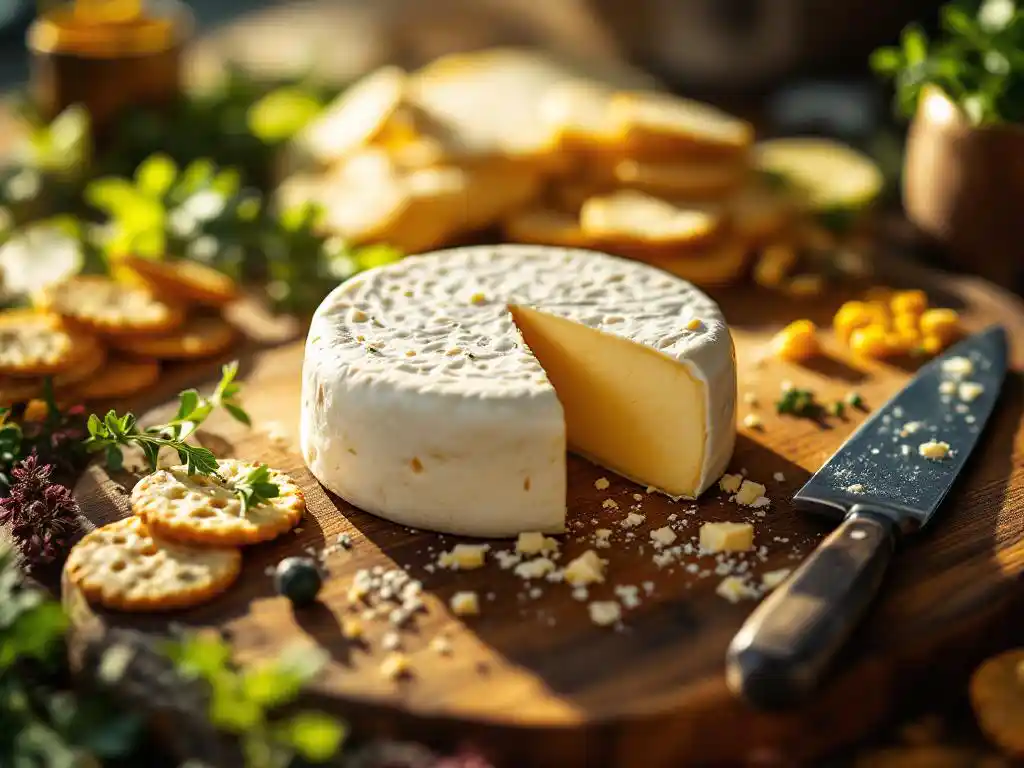
Goat cheese brings distinctive flavour and versatility to menu innovation, offering chefs unique opportunities to create memorable dishes that appeal to diverse customer preferences. Its tangy profile, creamy textural variations, and compatibility with both hot and cold applications make it an invaluable ingredient for restaurants seeking to differentiate their offerings. From fresh chèvre to aged varieties, goat cheese adapts beautifully to contemporary culinary trends while meeting dietary needs and profitability goals.
What makes goat cheese ideal for menu innovation?
Goat cheese offers chefs exceptional versatility through its distinctive tangy flavour profile and adaptable texture, which ranges from spreadable fresh varieties to firm aged options. Its naturally lower lactose content appeals to health-conscious diners, while its unique taste creates memorable dishes that stand out on any menu. The cheese melts beautifully in hot applications yet maintains its structure in cold preparations, making it suitable for diverse culinary techniques.
The distinctive flavour profile of goat cheese provides a sophisticated alternative to traditional cow’s milk cheeses. Its characteristic tanginess adds depth without overwhelming other ingredients, allowing chefs to create balanced dishes that showcase seasonal produce and premium proteins. Fresh goat cheese offers mild, creamy notes perfect for delicate preparations, while aged varieties develop complex, earthy undertones that enhance robust flavour combinations.
Textural versatility represents another key advantage for menu development. Soft, spreadable varieties work brilliantly as bases for canapés and sandwich spreads, while semi-firm options crumble perfectly over salads and pasta dishes. Aged goat cheeses can be sliced for cheese boards or grated into sauces, providing chefs with multiple preparation methods from a single ingredient category.
The dietary advantages of goat cheese expand menu appeal to health-conscious customers. With naturally smaller fat globules and different protein structures than cow’s milk cheese, many lactose-sensitive diners find goat cheese easier to digest. This accessibility allows restaurants to offer indulgent dishes that accommodate various dietary preferences without compromising on flavour or quality.
Which goat cheese varieties work best for different menu applications?
Fresh chèvre works exceptionally well for salads, spreads, and cold appetisers due to its creamy texture and mild flavour, which complement delicate ingredients. Aged goat cheeses excel on cheese boards and in gratins, where their firmer texture and complex flavours can shine. Crumbled formats provide convenient portion control for pizzas and pastas, while whipped versions create elegant presentations for premium appetisers.
Fresh goat cheese varieties offer maximum versatility for cold preparations. Their spreadable consistency makes them ideal for bruschetta toppings, sandwich fillings, and salad dressings. When mixed with herbs or spices, fresh chèvre transforms into flavourful spreads that elevate simple bread service or vegetable crudités. The mild tang pairs beautifully with honey, figs, or roasted vegetables, creating sophisticated flavour combinations with minimal effort.
Semi-aged goat cheeses, typically aged 2–8 weeks, provide the perfect middle ground for diverse applications. These varieties crumble easily while maintaining enough structure for grilling or baking. Their enhanced flavour works brilliantly in warm salads, stuffed proteins, or melted into creamy pasta sauces. The firmer texture also allows for attractive plating presentations that hold their shape during service.
Speciality flavoured options expand creative possibilities exponentially. Herb-crusted varieties add visual appeal and flavour complexity to cheese boards, while truffle-infused options create instant luxury in simple preparations. Ash-ripened goat cheeses provide striking visual contrast on plates, while honey- or pepper-crusted varieties offer built-in flavour pairings that simplify menu development.
How can restaurants create trending dishes with goat cheese?
Current culinary trends favour Mediterranean-inspired bowls featuring warm grains, roasted vegetables, and creamy goat cheese that ties flavours together beautifully. Artisanal flatbreads topped with goat cheese, caramelised onions, and seasonal produce appeal to sharing-plate preferences. Plant-forward dishes benefit from goat cheese’s protein content and richness, creating satisfying vegetarian options that attract diverse diners.
Mediterranean cuisine naturally showcases goat cheese in contemporary presentations. Grain bowls featuring quinoa or farro topped with roasted aubergine, cherry tomatoes, and crumbled goat cheese deliver Instagram-worthy presentations with substantial nutritional value. These customisable dishes allow for seasonal variations while maintaining consistent base components that streamline kitchen operations.
Breakfast and brunch menus increasingly feature goat cheese in innovative applications beyond traditional omelettes. Whipped goat cheese on sourdough toast with poached eggs and microgreens creates elevated breakfast options. Goat cheese-stuffed French toast with berry compotes transforms classic dishes into premium offerings that command higher price points.
Fusion cuisine applications demonstrate goat cheese’s global versatility. Korean-inspired dishes featuring goat cheese in bibimbap bowls, Mexican street corn topped with crumbled chèvre instead of cotija, or Middle Eastern shakshuka enriched with dollops of creamy goat cheese all represent creative cross-cultural combinations. These innovative pairings attract adventurous diners while maintaining familiar flavour profiles that ensure broad appeal.
What are the most profitable goat cheese menu applications?
Premium salads featuring goat cheese command higher prices due to perceived value, with warm goat cheese salads achieving particularly strong margins through minimal additional ingredients. Gourmet burgers topped with herbed goat cheese justify premium pricing while requiring simple execution. Upscale appetiser platters combining goat cheese with minimal accompaniments deliver exceptional profit margins through strategic portioning and presentation.
Signature salads represent one of the most profitable applications for goat cheese. A simple mixed green salad transforms into a premium offering when topped with warm, panko-crusted goat cheese medallions. The perceived value increase far exceeds the minimal additional food cost, allowing for pricing premiums of 30–40% over basic salads. Strategic portioning of 2–3 ounces per salad maintains profitability while delivering satisfying portions.
Pizza and flatbread applications maximise profitability through efficient use of crumbled goat cheese. Unlike fresh mozzarella, which requires generous portions, goat cheese’s intense flavour allows for lighter application while maintaining impact. Combining goat cheese with caramelised onions, rocket, and balsamic glaze creates artisanal pizzas that command premium prices with controlled food costs.
Appetiser platters and cheese boards featuring goat cheese selections generate exceptional margins through careful curation. Pairing one or two goat cheese varieties with simple accompaniments like honey, nuts, and seasonal fruit creates perceived value that justifies premium pricing. These shareable options encourage additional beverage sales while requiring minimal kitchen preparation, maximising both revenue and operational efficiency.
How does DeJong Cheese support foodservice menu innovation?
DeJong Cheese provides comprehensive support for foodservice partners through our extensive Alphenaer brand portfolio, featuring fresh and aged goat cheeses crafted using traditional methods since 1995. We offer flexible bulk packaging options designed for efficient kitchen operations, along with custom product development capabilities that help create unique menu offerings. Our dedication to consistent quality, backed by international food safety certifications, ensures reliable supply for high-volume operations.
Our product development expertise helps foodservice partners create distinctive menu items that set them apart from competitors. We work closely with chefs to understand specific flavour profiles and applications, developing custom goat cheese varieties that meet exact specifications. Whether you need a specific texture for a signature dish or a unique flavour combination for seasonal menus, our team provides hands-on support throughout the development process.
Key benefits of partnering with DeJong Cheese include:
- Extensive range of fresh and aged goat cheeses under the Alphenaer brand
- Bulk packaging formats optimised for professional kitchens
- Custom product development for unique menu applications
- Consistent quality standards meeting international certifications
- Technical support for recipe development and menu optimisation
- Flexible ordering options accommodating various business sizes
Ready to elevate your menu with premium goat cheese? Contact our foodservice team to discuss your specific needs and explore our product range. Find distribution partners near you, or get in touch directly to start creating distinctive goat cheese menu offerings that delight your customers and boost profitability.
Frequently Asked Questions
How should I store goat cheese in a professional kitchen to maintain quality?
Store fresh goat cheese in its original packaging at 2-4°C, using it within 7-10 days of opening for optimal quality. Aged varieties can be wrapped in cheese paper or parchment and stored in the vegetable drawer for up to 3 weeks. Always keep goat cheese away from strong-smelling ingredients as it readily absorbs odours, and portion only what you need for service to minimise exposure to air and temperature fluctuations.
What are the most common mistakes when cooking with goat cheese?
The biggest mistake is overheating goat cheese, which causes it to become grainy and lose its creamy texture – add it at the end of cooking or use gentle heat. Many chefs also over-portion goat cheese, overwhelming dishes with its tangy flavour instead of using it as an accent. Additionally, pairing it with competing strong flavours like blue cheese or excessive vinegar can create unbalanced dishes that mask its unique characteristics.
How can I calculate the right portion sizes for goat cheese across different menu items?
For salads, use 50-75g of crumbled goat cheese per portion to maintain profitability while delivering satisfaction. Sandwiches and burgers typically require 30-40g of spreadable goat cheese, while pasta dishes work well with 40-60g per serving. For cheese boards, allocate 25-30g per person when serving alongside other cheeses, or 50-60g if goat cheese is the primary focus.
Which wine pairings work best with goat cheese dishes on my menu?
Fresh goat cheese pairs beautifully with crisp white wines like Sauvignon Blanc, Albariño, or Sancerre, which complement its tangy notes. For aged goat cheeses, consider medium-bodied reds like Pinot Noir or Côtes du Rhône that won’t overpower the cheese’s complexity. Sparkling wines and Champagne create elegant pairings for goat cheese appetisers, while dessert applications work wonderfully with late-harvest Rieslings or Moscato.
How do I prevent goat cheese from breaking or separating in hot sauces?
Remove your sauce from direct heat before adding goat cheese, stirring it in gradually at temperatures below 60°C to maintain smooth consistency. Create a stable emulsion by whisking in small amounts at a time, or blend the goat cheese with a small amount of cream before incorporating. For foolproof results, temper the goat cheese by mixing it with a few tablespoons of the warm sauce first, then fold this mixture back into the main sauce.
What's the best way to introduce goat cheese dishes to customers who claim they don't like it?
Start with mild, fresh goat cheese varieties in familiar applications like creamy pasta sauces or whipped spreads where the tang is subtle. Pair goat cheese with sweet elements like honey, figs, or caramelised onions to balance its flavour profile. Consider offering tasting portions or incorporating it into popular dishes like burgers or pizzas where other flavours help ease the introduction, and always highlight the creamy texture rather than focusing on it being ‘goat’ cheese.