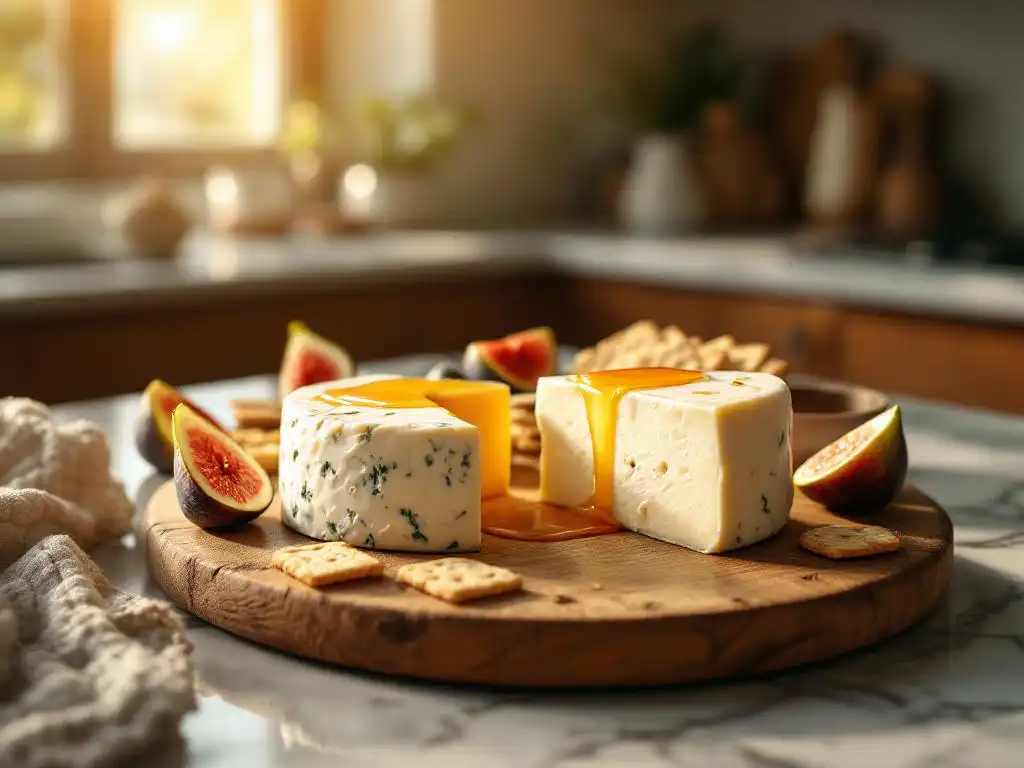
Goat cheese plays a pivotal role in premium product lines across the food industry, offering unique characteristics that elevate B2B offerings beyond standard dairy selections. Its distinctive tangy flavour profile, creamy texture variations, and artisanal production methods position goat cheese as a sophisticated ingredient that commands premium pricing while meeting growing consumer demand for speciality foods. Professional buyers in foodservice and retail sectors increasingly recognise goat cheese as an essential component for differentiating their product portfolios and attracting quality-conscious customers.
What makes goat cheese a premium product choice for B2B buyers?
Goat cheese stands out as a premium product choice due to its unique flavour complexity, ranging from mild and creamy to sharp and aged profiles that standard cow’s milk cheeses cannot replicate. The naturally smaller fat molecules in goat’s milk create a distinctively smooth texture while offering easier digestibility for many consumers. B2B buyers value these characteristics because they enable menu differentiation and justify premium pricing strategies.
The nutritional profile of goat cheese further enhances its premium positioning. With higher levels of vitamin A, potassium, and medium-chain fatty acids compared to cow’s milk cheese, it appeals to health-conscious consumers willing to pay more for perceived nutritional benefits. The lower lactose content also opens market opportunities with consumers who have mild dairy sensitivities, expanding the potential customer base for B2B clients.
Market differentiation factors include the artisanal production methods often associated with goat cheese, creating storytelling opportunities that resonate with consumers seeking authentic, craft products. The seasonal variations in goat’s milk production add to the exclusivity factor, while the cheese’s versatility across sweet and savoury applications provides B2B buyers with multiple product development possibilities.
How does goat cheese enhance product portfolios for foodservice and retail?
Incorporating goat cheese varieties into product portfolios enables foodservice operators and retailers to create distinctive offerings that stand apart from competitors using standard dairy products. The cheese’s versatility allows for premium menu items ranging from sophisticated appetisers to gourmet pizzas and salads, each commanding higher price points while satisfying customer desires for unique dining experiences.
For restaurants, goat cheese provides opportunities to develop signature dishes that become destination menu items. Fresh goat cheese works brilliantly in seasonal salads and spreads, while aged varieties add complexity to cheese boards and wine pairings. The visual appeal of goat cheese, particularly when formed into logs, pyramids, or coated with herbs and spices, creates Instagram-worthy presentations that drive social media engagement.
Retail environments benefit from goat cheese through increased basket values and customer loyalty. Speciality cheese sections featuring goat cheese varieties attract discerning shoppers who typically purchase complementary premium products like artisanal crackers, preserves, and wines. The growing trend of charcuterie boards and home entertaining has particularly boosted demand for diverse goat cheese options in retail settings.
Cross-merchandising opportunities multiply with goat cheese, as retailers can create themed displays linking cheese selections with Mediterranean ingredients, local honey, or seasonal fruits. These curated experiences help position stores as destinations for food enthusiasts rather than mere grocery outlets.
What are the key quality standards for premium goat cheese production?
Premium goat cheese production begins with milk sourcing from well-managed herds where goats receive proper nutrition and care, directly impacting the final product’s flavour and texture. The milk’s freshness, measured within hours from milking to processing, determines the cheese’s clean taste profile and absence of unwanted flavours. Temperature control throughout the supply chain maintains milk integrity and prevents quality degradation.
Production methods distinguish premium goat cheese through careful attention to traditional techniques while maintaining modern food safety standards. The coagulation process requires precise timing and temperature control to achieve desired texture characteristics, whether creating spreadable fresh cheese or firm aged varieties. Artisanal producers often use specific starter cultures that contribute unique flavour profiles, setting their products apart in the premium market.
Aging processes for premium goat cheese demand controlled environments where temperature, humidity, and air circulation create optimal conditions for flavour development. Surface treatments, including ash coating, herb crusts, or natural rind development, require skilled cheesemakers who understand how these elements contribute to the final product’s character. Consistency in texture and flavour across batches demonstrates production mastery essential for B2B relationships.
Certification requirements for premium markets include food safety standards like BRC, IFS, or FSSC 22000, providing B2B buyers with quality assurance. Additional certifications such as organic, animal welfare approved, or Protected Designation of Origin (PDO) add value layers that justify premium positioning and meet specific market demands.
Which goat cheese varieties work best in premium product applications?
Fresh goat cheese varieties, including chèvre and fromage blanc, excel in premium applications requiring spreadable textures and mild, tangy flavours. These young cheeses work brilliantly in upscale sandwich preparations, gourmet salads, and as bases for flavoured cheese products incorporating herbs, spices, or fruit. Their versatility in both hot and cold applications makes them indispensable for foodservice operations seeking menu flexibility.
Semi-aged goat cheeses, typically matured for several weeks to months, offer firmer textures suitable for slicing and melting applications. These varieties perform exceptionally in premium pizzas, gratins, and cheese boards where visual presentation matters. The development of more complex flavours during aging provides depth that enhances sophisticated dishes without overwhelming other ingredients.
Aged hard goat cheeses, matured for several months to years, deliver intense flavours and granular textures perfect for grating and finishing dishes. These premium varieties command the highest prices and work brilliantly as table cheeses paired with wines, incorporated into risottos, or shaved over salads. Their complexity satisfies adventurous diners seeking memorable flavour experiences.
Speciality formats like goat cheese logs, pyramids, and buttons offer portion-control advantages for foodservice while creating visual appeal. Ash-ripened varieties provide dramatic presentation options, while herb-crusted or pepper-coated options deliver flavour and texture contrasts that elevate simple dishes to premium status.
How do you position goat cheese as a premium ingredient in B2B markets?
Positioning goat cheese as a premium ingredient requires storytelling that connects production methods, origin, and craftsmanship to create perceived value beyond basic nutrition. B2B buyers respond to narratives highlighting traditional cheese-making techniques, family farming heritage, and sustainable practices that resonate with end consumers’ values. Educational materials explaining flavour profiles and pairing suggestions help buyers confidently promote products to their customers.
Quality communication strategies focus on sensory descriptions that help B2B buyers understand and convey the unique characteristics of each cheese variety. Providing tasting notes, texture descriptions, and usage recommendations enables sales staff to effectively communicate value propositions. Professional photography showcasing cheese in premium applications helps buyers visualise menu or retail possibilities.
Differentiation tactics include emphasising unique production aspects such as specific goat breeds, terroir influences, or proprietary aging techniques that competitors cannot replicate. Exclusive varieties or limited seasonal offerings create scarcity value that supports premium pricing. Partnership approaches offering menu development support, staff training, or co-marketing opportunities strengthen B2B relationships beyond simple transactions.
Value proposition development must address both rational and emotional purchasing drivers. Rational benefits include consistent quality, reliable supply, and profit margins, while emotional appeals focus on authenticity, craftsmanship, and contribution to culinary excellence. Demonstrating versatility across multiple menu applications helps buyers justify investment in premium goat cheese inventory.
How DeJong Cheese helps with premium goat cheese product lines
We at DeJong Cheese have been providing solutions for premium goat cheese needs since 1995, rooted in our traditional family values and artisanal expertise. Our Alphenaer brand represents high-quality goat cheese specialities that perfectly align with the demand for premium products in the B2B market. With our focus on fresh and soft goat cheeses, we deliver consistent quality that elevates your product lines to a higher level.
Our support for B2B clients includes:
- A wide range of fresh to aged goat cheeses according to traditional recipes
- Private label opportunities for your own premium brand
- Flexible packaging options and customisation for different applications
- Bulk packaging specially designed for the processing industry
- Support for customer-specific product development
- Highest food safety certifications for international markets
With more than 20 countries we serve and our team of approximately 55 specialists, we understand the complexity of international B2B markets. Our certifications and quality standards guarantee that your premium product lines meet the highest requirements, while our personal approach ensures solutions that perfectly match your specific needs.
Contact us to discover how our premium goat cheeses can enrich your range. Visit our foodservice section for more information about our complete product offering, or find our products at one of our retail locations.
Frequently Asked Questions
How do I calculate the right premium pricing strategy for goat cheese in my B2B offerings?
Start by analysing your current cheese margins and add 25-40% for premium goat cheese varieties, factoring in the higher perceived value, limited supply, and artisanal production costs. Consider conducting price sensitivity testing with key accounts, benchmarking against competitors’ premium dairy offerings, and building pricing tiers based on cheese age and exclusivity to maximise profitability while maintaining market competitiveness.
What are the most common mistakes when storing and handling goat cheese in commercial settings?
The biggest mistakes include storing goat cheese at temperatures below 35°F which can damage texture, exposing it to strong odours it readily absorbs, and improper wrapping that causes moisture loss or contamination. Always store goat cheese in dedicated dairy coolers at 38-42°F, use breathable cheese paper or perforated vacuum packaging, and implement strict FIFO rotation systems to maintain optimal quality throughout shelf life.
How can I train my staff to effectively sell premium goat cheese to customers?
Develop a structured training programme that includes hands-on tasting sessions to familiarise staff with flavour profiles, texture variations, and pairing suggestions for each variety. Create simple reference cards with key selling points, usage ideas, and answers to common customer questions, then role-play sales scenarios focusing on communicating value rather than just describing features to build confidence in premium positioning.
What certifications should I look for when sourcing premium goat cheese for international markets?
Essential certifications include GFSI-recognised standards like BRC, IFS, or SQF for food safety assurance, plus market-specific requirements such as FDA registration for US exports or EU health marks for European distribution. Additional value-adding certifications to consider include organic certification, animal welfare standards like Certified Humane, and origin designations like PDO or PGI that support premium positioning and meet growing consumer demands for transparency.
How do seasonal variations affect goat cheese supply and how should I plan for this?
Goat milk production naturally peaks in spring and early summer when kids are weaned, creating abundance, while winter months see reduced supply and potentially higher prices. Plan your inventory by contracting advance orders during peak season, diversifying suppliers across different regions to balance availability, and educating customers about seasonal specialities to turn supply variations into marketing opportunities for limited-edition offerings.
What are the best ways to introduce goat cheese into a menu or product line that hasn't featured it before?
Start with familiar applications using mild, fresh goat cheese in popular items like salads or pizzas where the tangy flavour enhances rather than dominates, allowing customers to discover it gradually. Create signature items that hero goat cheese with complementary ingredients like honey, figs, or nuts, offer tasting samples to overcome hesitation, and use menu descriptions that emphasise creamy texture and subtle flavour rather than the ‘goaty’ characteristics some customers fear.
Related Articles
- How do you create an efficient shortlist of goat cheese producers for the food industry?
- How do food manufacturers use goat cheese in ready meal production?
- What are cold chain requirements for goat cheese transport?
- Why is goat cheese priced higher than cow cheese for wholesale buyers?
- What is chevre goat cheese?