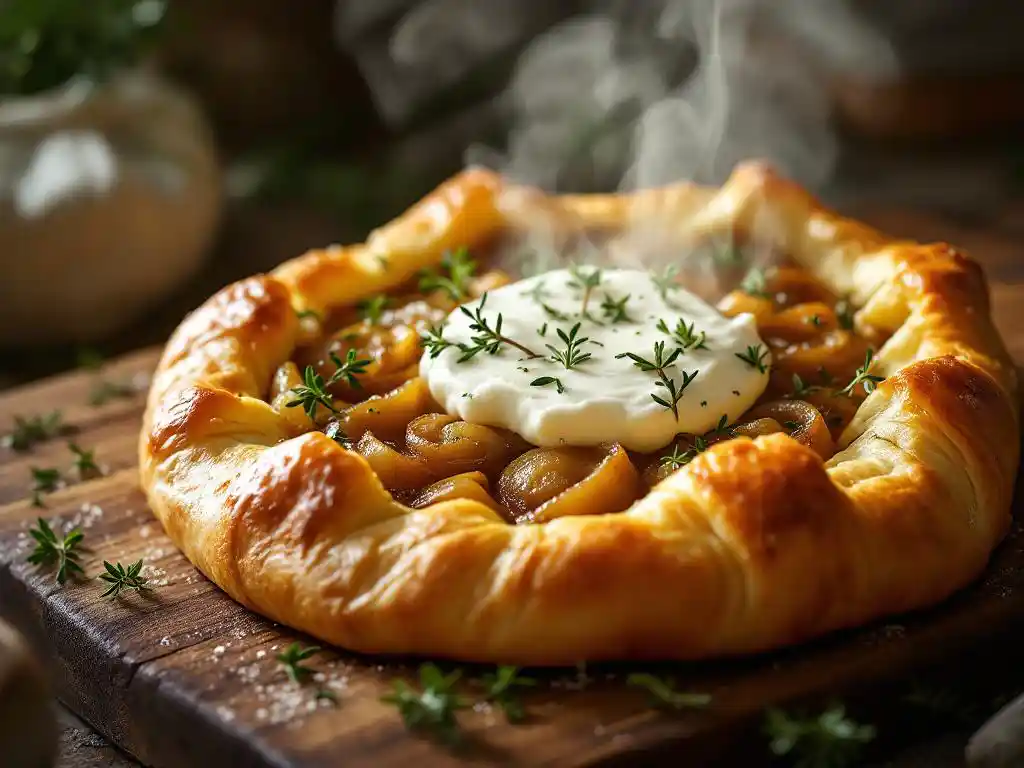
Goat cheese transforms savoury pastries from ordinary to extraordinary through its distinctive creamy texture and tangy flavour profile. Professional chefs and food manufacturers choose goat cheese for pastry fillings because it maintains structural integrity during baking while adding moisture and richness that enhance the overall eating experience. The cheese’s versatility allows it to complement both delicate phyllo applications and robust puff pastry creations, making it an essential ingredient for modern pastry development.
What makes goat cheese ideal for savoury pastry fillings?
Goat cheese possesses unique properties that make it superior for pastry applications compared to other cheese varieties. Its naturally lower melting point creates a creamy, smooth texture when heated, while maintaining enough structure to prevent pastry sogginess. The tangy, slightly acidic flavour profile cuts through rich pastry doughs, providing balance and complexity that elevate the finished product.
The moisture content in goat cheese plays a crucial role in pastry success. Unlike harder cheeses that can become oily when melted, goat cheese releases moisture gradually during baking, keeping fillings creamy without making pastry bases soggy. This characteristic is particularly valuable for quiches, tarts, and turnovers, where maintaining crisp pastry is essential.
Professional bakers appreciate goat cheese’s ability to blend seamlessly with other ingredients. Its mild yet distinctive flavour doesn’t overpower delicate herbs or vegetables, instead creating harmonious flavour combinations. The cheese’s natural emulsifying properties help bind ingredients together, resulting in cohesive fillings that hold their shape when portioned.
How do you prepare goat cheese for different pastry applications?
Proper preparation of goat cheese begins with temperature control, as room-temperature cheese blends more easily and creates smoother fillings. Remove goat cheese from refrigeration 30–45 minutes before use, allowing it to soften naturally. For quiche fillings, whisk the softened cheese with eggs and cream until completely smooth, ensuring no lumps remain that could create texture inconsistencies.
Different pastry types require specific preparation techniques. For phyllo parcels, crumble goat cheese and mix gently with other ingredients to maintain textural variation. Puff pastry applications benefit from spreading softened goat cheese directly onto the dough, creating distinct layers. When preparing large batches for food service, use paddle attachments on low speed to maintain the cheese’s delicate structure.
Preventing separation during baking requires careful ingredient selection and mixing methods. Combine goat cheese with binding agents like eggs or small amounts of flour to stabilise the mixture. Avoid overmixing, which can break down the cheese’s structure and lead to watery fillings. For optimal results, fold wet ingredients such as sautéed vegetables into the cheese mixture just before filling pastries.
Which herbs and ingredients pair best with goat cheese in pastries?
Fresh herbs create exceptional flavour partnerships with goat cheese in savoury pastries, with thyme, rosemary, and chives ranking as top choices. These herbs complement the cheese’s tanginess without overwhelming its delicate flavour. Dried herbs work well in commercial applications where consistency and shelf life are priorities, though fresh herbs provide superior aromatic qualities for premium offerings.
Vegetables that pair beautifully with goat cheese include:
- Spinach and other leafy greens (pre-wilted to remove excess moisture)
- Sun-dried tomatoes (add concentrated umami flavour)
- Caramelised onions (provide sweetness to balance tanginess)
- Roasted red peppers (contribute colour and subtle smokiness)
- Mushrooms (earthy flavours that ground the cheese’s brightness)
Nuts and additional cheeses expand flavour complexity in professional applications. Toasted walnuts and pine nuts add textural contrast and nutty depth, while pecans provide sweetness that complements the cheese’s acidity. Combining goat cheese with small amounts of Parmesan or Gruyère creates more complex flavour profiles suitable for sophisticated palates. These combinations work particularly well in galettes and premium tart offerings.
What are the most popular savoury pastries featuring goat cheese?
Quiches and tarts lead the popularity charts for goat cheese pastries, offering endless customisation possibilities for food service operations. Standard 9-inch quiches typically use 150–200 g of goat cheese combined with eggs and cream, baked at 180 °C for 35–40 minutes. Individual tartlets provide portion control and elegant presentation, using approximately 30–40 g of filling per 3-inch tart.
Phyllo-based pastries showcase goat cheese beautifully through various formats. Triangle parcels filled with goat cheese and spinach remain customer favourites, while rolled cigars offer easier production for high-volume operations. These delicate pastries bake quickly at 190 °C for 15–20 minutes, developing golden, crispy exteriors that contrast with creamy fillings.
Puff pastry applications include:
- Turnovers (75–100 g filling per piece, ideal for grab-and-go)
- Pinwheels (excellent for catering platters and appetisers)
- Vol-au-vents (a sophisticated option for fine dining)
- Galettes (a rustic presentation appealing to artisan markets)
Presentation techniques vary by service style, with rectangular portions working well for cafeteria service, while triangular cuts suit upscale establishments. Garnishing with fresh herbs or edible flowers elevates visual appeal for retail display cases.
How does DeJong Cheese support professional pastry applications?
We understand the unique challenges professional bakers and food manufacturers face when working with goat cheese in pastry applications. Our specialised goat cheese products are specifically developed to maintain consistency during baking, ensuring reliable results batch after batch. We offer various textures and moisture levels to suit different pastry requirements, from spreadable options for layered applications to crumbled varieties perfect for mixing.
Our support for professional pastry applications includes:
- Bulk packaging options from 1 kg to 5 kg containers, reducing preparation time
- Consistent quality standards meeting FSSC 22000 certification requirements
- Custom formulation services for unique flavour profiles or texture requirements
- Technical support from our development team for recipe optimisation
- Reliable supply chain ensuring continuous availability for production schedules
Whether you’re developing new pastry products or scaling existing recipes, our team provides hands-on assistance to achieve optimal results. We work closely with bakeries, food manufacturers, and catering operations to create goat cheese solutions that enhance product quality while meeting operational efficiency needs. Contact our foodservice specialists to discuss your specific pastry applications, or visit our contact page to schedule a consultation about custom product development. For those interested in sampling our products, information about sales points is available on our website.
Frequently Asked Questions
How can I prevent my goat cheese filling from becoming grainy or separated after baking?
To prevent graininess, always start with room-temperature goat cheese and avoid overheating during baking. Mix the cheese with a small amount of cornstarch or flour (about 1 tablespoon per 200g of cheese) to stabilise the proteins, and consider adding a splash of cream to maintain smoothness. Bake at moderate temperatures (160-180°C) rather than high heat, which can cause the proteins to separate.
What's the best way to store prepared goat cheese pastries for maximum freshness?
Unbaked pastries with goat cheese filling can be frozen for up to 3 months when wrapped tightly in plastic wrap and aluminium foil. For baked pastries, store in an airtight container in the refrigerator for up to 3 days, reheating in a 160°C oven for 5-10 minutes to restore crispness. Avoid microwaving as this can make the pastry soggy and cause the cheese filling to separate.
Can I substitute regular cream cheese for goat cheese in savoury pastry recipes?
While cream cheese can work as a substitute, you’ll lose the distinctive tangy flavour and lighter texture that goat cheese provides. If substituting, use 25% less cream cheese than the goat cheese amount called for, and add a teaspoon of lemon juice per 100g to mimic the tanginess. The final texture will be denser and the flavour profile less complex, so consider adding extra herbs or seasonings to compensate.
What are common mistakes when working with goat cheese in commercial pastry production?
The most common mistakes include using cold cheese straight from refrigeration (causing lumpy fillings), overfilling pastries (leading to leakage during baking), and not properly draining wet ingredients like vegetables before mixing. Additionally, many bakers make the error of using the same goat cheese consistency for all applications – crumbled works better for some recipes while spreadable is ideal for others.
How much goat cheese filling should I use for different pastry sizes?
For standard applications, use these guidelines: mini tartlets (5-7cm) need 15-20g of filling, individual quiches (10-12cm) require 40-50g, hand pies or turnovers use 30-40g, and phyllo triangles work best with 20-25g. Always leave a 1cm border for sealing, and remember that goat cheese expands slightly when heated, so avoid overfilling to prevent bursting during baking.
Which goat cheese texture works best for high-volume pastry production?
For high-volume operations, a semi-soft, spreadable goat cheese with 45-50% moisture content offers the best balance of workability and consistency. This texture pipes easily through pastry bags for faster production, maintains stability during holding periods, and blends smoothly with other ingredients. Avoid very soft fresh cheeses that can make fillings too wet, or aged hard varieties that don’t melt properly.
How can I scale up my artisanal goat cheese pastry recipe for commercial production?
When scaling up, maintain ingredient ratios but adjust mixing times and temperatures for larger batches – mix goat cheese fillings in smaller sub-batches to prevent overworking. Invest in portion control tools like depositors for consistent filling amounts, and test-bake samples from each batch to ensure even heat distribution in commercial ovens. Consider partnering with a cheese supplier who can provide consistent moisture content and flavour profiles for reliable results.