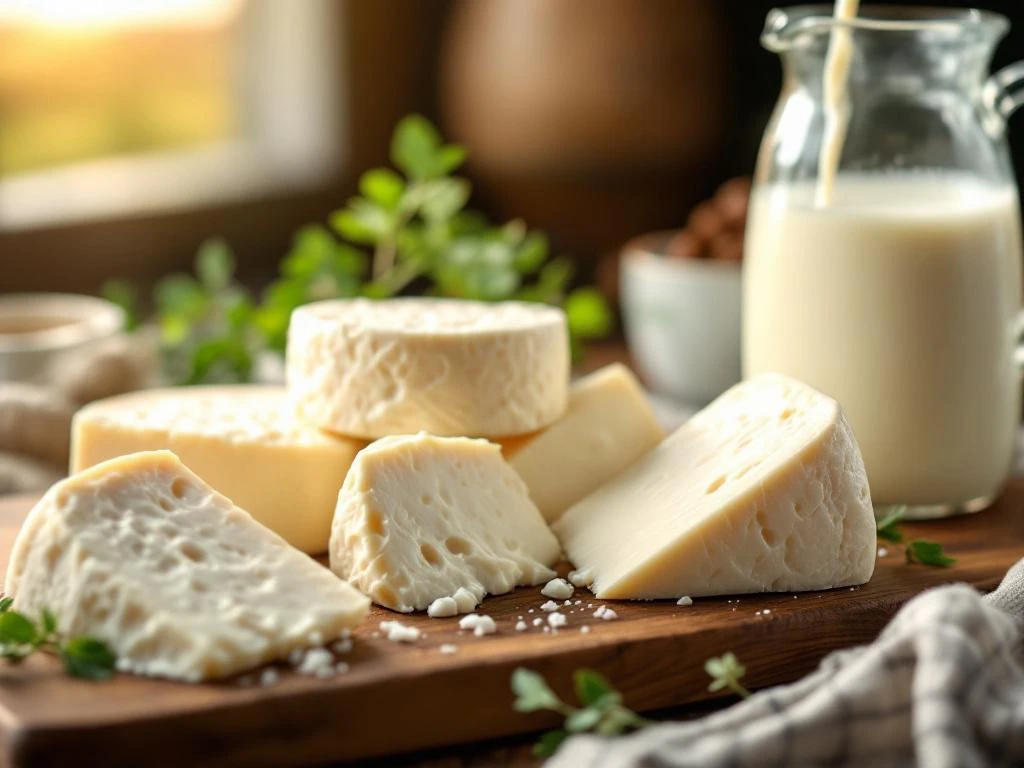
Goat cheese originates from the milk of goats, which has been transformed into cheese for thousands of years across Mediterranean regions, the Middle East, and Europe. Today, premium goat cheese production centres around traditional dairy regions like the Netherlands, France, and Spain, where centuries of expertise combine with modern quality standards. The journey from farm to finished product involves careful milk collection, precise processing techniques, and often traditional aging methods that create the distinctive tangy, creamy characteristics B2B buyers seek for their retail, foodservice, and industrial applications.
Understanding the origins of premium goat cheese
The story of goat cheese begins with geography and tradition, two elements that remain crucial for B2B buyers seeking reliable suppliers. Premium goat cheese originates in regions where goat farming has deep historical roots, particularly across Europe’s traditional dairy belts. The Netherlands, France, and Mediterranean countries have developed distinct cheese-making traditions over centuries, each contributing unique production methods and flavour profiles to the global market.
For B2B buyers in retail, foodservice, and industrial sectors, understanding cheese origins goes beyond simple geography. It encompasses the entire production ecosystem, from the quality of local goat breeds to the expertise passed down through generations of cheese makers. This knowledge helps buyers identify suppliers who can deliver consistent quality, whether they need fresh goat cheese rolls for a restaurant chain or specialised formats for industrial processing.
The importance of origin extends to certification standards and quality assurance protocols that modern B2B markets demand. Regions with established goat cheese traditions typically have robust quality control systems, including IFS certification and traceability measures that ensure product safety and consistency across large-scale deliveries.
What makes authentic goat cheese different from other cheeses?
Goat milk contains fundamentally different proteins and fats compared to cow’s milk, creating cheese with distinctive characteristics that B2B buyers value. The protein structure in goat milk features smaller fat globules and different casein compositions, resulting in cheese that’s naturally easier to digest and has a characteristic bright, tangy flavour profile.
These molecular differences translate into practical advantages for commercial applications. Goat cheese typically has a softer, creamier texture when fresh, making it ideal for spreading, crumbling, or melting in various culinary applications. The lower lactose content appeals to health-conscious consumers, whilst the distinctive flavour adds sophistication to menu items without overwhelming other ingredients.
For foodservice operators and retailers, these unique properties mean goat cheese can command premium pricing whilst offering versatility across applications. From fresh spreadable varieties with just 16% fat content to aged varieties with complex flavour development, the range of textures and tastes available allows B2B buyers to meet diverse customer preferences. Whether used in salads, pizzas, tapas, or gourmet sandwiches, authentic goat cheese provides a point of differentiation that cow’s milk cheeses cannot replicate.
How is traditional goat cheese made from farm to finished product?
Traditional goat cheese production begins with fresh milk collection from certified farms, where quality control starts at the source. The milk arrives at the cheese facility where it undergoes pasteurisation to ensure safety whilst preserving the delicate flavours that make goat cheese special. Temperature control during this stage is critical, as goat milk proteins are more sensitive than cow’s milk.
The transformation process continues with the addition of specific cultures and rennet, initiating coagulation. Master cheese makers monitor this crucial stage carefully, as the timing affects texture and flavour development. Once the curd forms, it’s gently cut and drained, with different drainage times creating various cheese styles, from soft, spreadable textures to firmer varieties suitable for slicing or crumbling.
Quality assurance measures align with IFS certification standards throughout production, ensuring consistent results for B2B customers. Fresh varieties may be packaged immediately in formats ranging from 100g retail portions to 10kg bulk packaging for industrial use. Aged varieties enter climate-controlled ripening rooms where they develop their characteristic rinds and complex flavours over weeks or months.
For more information about industrial cheese solutions and wholesale opportunities, explore our comprehensive range of formats and packaging options designed for efficient commercial use.
Where are the best goat cheese production regions located?
The Netherlands stands as a premier goat cheese production region, combining traditional craftsmanship with modern dairy technology. Dutch cheese makers benefit from excellent pasture conditions, stringent quality regulations, and generations of expertise in dairy processing. The flat, fertile lands provide ideal grazing conditions, whilst the maritime climate ensures consistent feed quality throughout much of the year.
France’s Loire Valley and Provence regions have earned global recognition for their goat cheese excellence, producing varieties from fresh chèvre to aged specialities. These regions benefit from specific terroir conditions where local vegetation imparts subtle flavour notes to the milk. Mediterranean areas including Spain and Greece contribute their own traditions, often featuring firmer textures and saltier profiles suited to warmer climates.
What makes certain regions ideal extends beyond climate to include infrastructure and expertise. Leading production areas have established supply chains connecting small farms to modern processing facilities, ensuring consistent milk quality. They maintain certification systems that meet international standards, crucial for B2B buyers requiring reliable documentation for retail and foodservice distribution. The concentration of expertise in these regions also drives innovation, resulting in new formats like goat cheese pearls in herb-infused oils or convenient pre-portioned slices for commercial kitchens.
Why does the source of goat milk matter for cheese quality?
The breed of goat significantly influences milk composition and subsequent cheese characteristics, with breeds like Saanen and Alpine goats producing milk with optimal protein and fat ratios for cheese making. Diet plays an equally crucial role, as goats feeding on diverse pastures produce milk with more complex flavour compounds compared to those on standardised feed. This variation creates opportunities for cheese makers to develop unique flavour profiles that B2B buyers can leverage for product differentiation.
Seasonal variations affect milk quality in ways that experienced cheese makers can harness to advantage. Spring milk tends to be richer due to fresh pasture availability, creating cheeses with fuller flavours ideal for premium product lines. Understanding these cycles helps foodservice buyers plan seasonal menus and enables retailers to offer limited-edition varieties that command premium prices.
Farming practices directly impact the consistency and safety of the final product. Farms following certified quality systems ensure traceability and maintain standards that industrial buyers require for large-scale production. Small-scale artisanal farms may offer unique flavour profiles, whilst larger operations provide the volume consistency needed for major retail chains. The best suppliers work with a network of certified farms, balancing artisanal quality with commercial reliability to meet diverse B2B requirements ranging from 100g retail packages to bulk formats for industrial processing.
Key takeaways about goat cheese origins for B2B buyers
Understanding goat cheese origins empowers B2B buyers to make informed sourcing decisions that align with their quality requirements and customer expectations. Traditional craftsmanship combined with modern quality standards creates products that satisfy both artisanal market segments and large-scale commercial needs. The journey from specific regions with optimal conditions, through careful production processes, to diverse product formats demonstrates why origin matters for consistent quality.
Successful partnerships with established producers offer B2B buyers access to extensive product ranges, from fresh varieties to aged specialities, in packaging formats tailored to specific industry needs. Whether supplying cheese shops with premium aged varieties, providing restaurants with convenient pre-portioned formats, or delivering bulk quantities for industrial processing, understanding origins helps buyers select suppliers who can meet their unique challenges.
The combination of traditional expertise, quality sourcing, and innovative product development ensures that modern goat cheese producers can offer both authenticity and commercial viability. For B2B buyers seeking to differentiate their offerings whilst maintaining reliable supply chains, partnering with producers who understand every aspect of goat cheese origins, from pasture to plate, provides the foundation for long-term success in competitive markets.