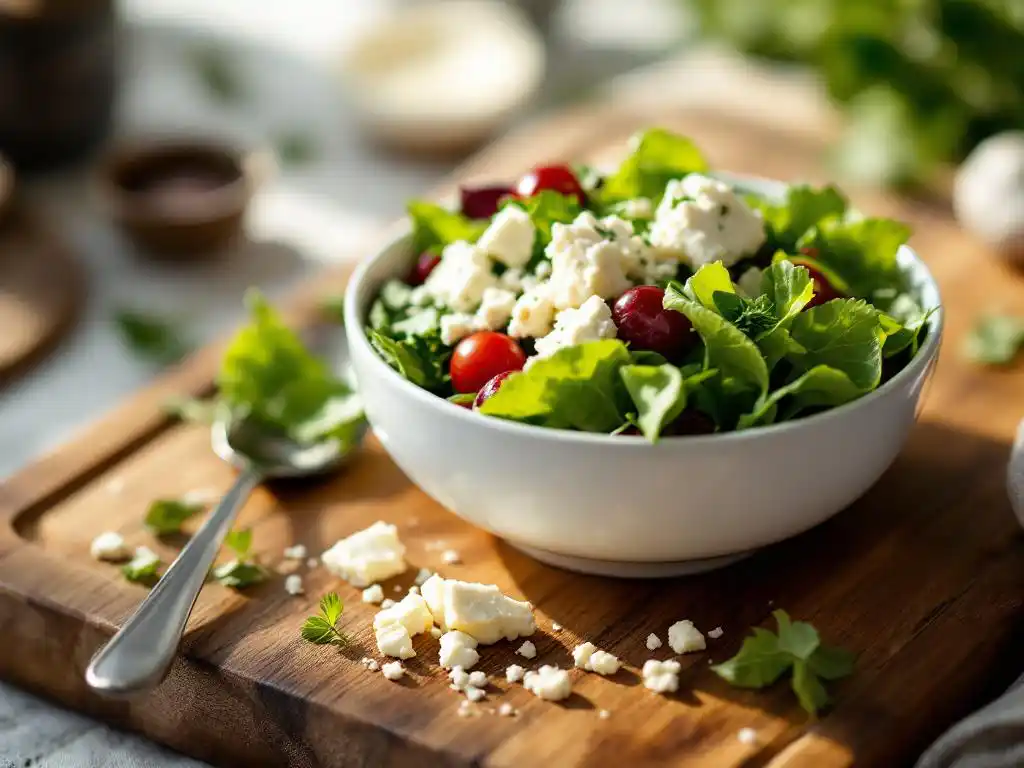
Salad manufacturers choose goat cheese as a differentiation strategy because it transforms ordinary salads into premium offerings that command higher prices and foster customer loyalty. The distinctive tangy flavour, creamy texture, and artisanal associations of goat cheese enable manufacturers to create signature products that stand out in the competitive ready-to-eat salad market. This comprehensive guide explores why goat cheese has become the ingredient of choice for salad manufacturers seeking market differentiation.
What makes goat cheese a premium ingredient for salad manufacturers?
Goat cheese elevates salads through its unique combination of creamy texture, tangy flavour profile, and perceived health benefits. The distinctive taste creates a sophisticated flavour experience that immediately distinguishes products from standard cheese offerings. Its naturally lower lactose content and easier digestibility appeal to health-conscious consumers, while the artisanal production methods associated with goat cheese reinforce its premium positioning.
The textural versatility of goat cheese provides manufacturers with multiple format options for different salad applications. Fresh goat cheese offers a spreadable consistency that is perfect for dressings and marinades, while aged varieties provide crumbly textures ideal for topping Mediterranean-style salads. This adaptability allows manufacturers to create diverse product lines using a single premium ingredient base.
Consumer perception plays a crucial role in goat cheese’s premium status. The ingredient carries associations with artisanal quality and culinary sophistication that translate directly into higher perceived value. When consumers see goat cheese listed as an ingredient, they automatically associate the product with restaurant-quality offerings, justifying premium pricing strategies that improve profit margins for manufacturers.
How does goat cheese help salad manufacturers stand out in a crowded market?
Goat cheese enables manufacturers to create signature salad offerings that become brand identifiers in retail environments. The ingredient’s distinctive flavour profile allows for unique recipe development that competitors using standard cheeses cannot easily replicate. This differentiation extends beyond taste to encompass the entire brand story, positioning products as artisanal alternatives to mass-market options.
Market research consistently shows growing consumer demand for unique flavour experiences and specialty ingredients. Goat cheese satisfies this demand while maintaining broad appeal across demographic segments. Young professionals appreciate the sophisticated flavour profiles, while health-conscious consumers value the nutritional benefits, creating multiple market opportunities for manufacturers.
The premium positioning enabled by goat cheese extends throughout the supply chain. Retailers allocate prime shelf space to products featuring specialty ingredients, recognising their ability to attract discerning customers and improve category profitability. This visibility advantage compounds the differentiation benefits, creating a virtuous cycle of brand recognition and sales growth.
What are the practical benefits of using goat cheese in commercial salad production?
Goat cheese offers exceptional versatility in commercial salad production, adapting to various formats from crumbled toppings to creamy dressings. The ingredient pairs naturally with diverse flavour profiles, from Mediterranean combinations with olives and sun-dried tomatoes to contemporary fusion salads featuring Asian-inspired ingredients. This compatibility reduces recipe development time while maintaining consistent quality across product lines.
Production efficiency improves with goat cheese due to its stable shelf-life characteristics when properly handled. The natural acidity provides some antimicrobial properties, contributing to extended product freshness when combined with appropriate packaging technologies. Manufacturers can offer multiple format options, including pre-crumbled, medallions, and spreadable forms, each optimised for specific production processes and consumer preferences.
The ingredient’s functionality extends beyond flavour contribution. Goat cheese acts as a natural emulsifier in dressings, reducing the need for additional stabilisers. Its protein content contributes to satiety, allowing manufacturers to market salads as complete meal solutions rather than side dishes, opening new market segments and consumption occasions.
Why do consumers perceive goat cheese salads as more valuable?
Consumer psychology around goat cheese centres on associations with artisanal quality, health consciousness, and culinary sophistication. These perceptions stem from the ingredient’s traditional production methods and its prevalence on upscale restaurant menus. When consumers purchase goat cheese salads, they feel they are making a premium choice that reflects their refined tastes and health priorities.
The health halo effect surrounding goat cheese significantly influences value perception. Consumers associate goat cheese with easier digestion, lower fat content, and higher nutritional value compared to cow’s milk cheeses. Whether these perceptions align perfectly with nutritional facts matters less than their impact on purchasing decisions and willingness to pay premium prices.
Social factors also drive value perception, as goat cheese salads signal sophistication in social and professional settings. Consumers feel confident serving or consuming these products at gatherings, knowing they project an image of culinary awareness. This emotional value translates directly into price premiums that manufacturers can capture while maintaining customer satisfaction.
How does DeJong Cheese support salad manufacturers with differentiation?
We at DeJong Cheese understand the unique challenges salad manufacturers face in creating differentiated products. Our Alphenaer brand offers comprehensive solutions designed specifically for commercial salad production, combining traditional craftsmanship with modern production capabilities. Our support extends far beyond simply supplying ingredients to encompass a complete partnership in product development and market success.
Our practical support for manufacturers includes:
- Bulk packaging options optimised for high-volume salad production lines
- Custom product development to create exclusive cheese formats for signature salads
- Consistent quality standards backed by international food safety certifications
- Flexible format options including crumbled, medallions, and spreads
- Private-label development for retailers seeking exclusive product lines
- Technical support for optimising cheese integration in production processes
We maintain the highest food safety standards with certifications that enable global distribution, addressing one of the key concerns for manufacturers serving international markets. Our family tradition since 1995 ensures consistent quality that manufacturers can rely on for their premium product lines. Whether you need standard formats or innovative custom solutions, our team collaborates closely with your product development specialists to achieve differentiation goals.
Ready to elevate your salad offerings with premium goat cheese? Explore our complete range of products designed for commercial applications. For custom development projects or bulk ordering enquiries, contact our specialist team to discuss your specific requirements. Discover where our products are already making a difference by visiting our sales locations.
Frequently Asked Questions
How much goat cheese should I include per salad portion to maintain profitability?
For optimal cost-effectiveness, use 25-40 grams of goat cheese per salad portion, which provides sufficient flavour impact while maintaining healthy profit margins. Consider using crumbled formats for better portion control and visual distribution throughout the salad, or create a signature dressing using 15-20% goat cheese blended with other ingredients to extend the premium ingredient across more servings.
What are the most common mistakes manufacturers make when incorporating goat cheese into salad production?
The biggest mistakes include adding goat cheese too early in the production process, which can cause it to break down and lose its distinctive texture, and storing it at incorrect temperatures that accelerate spoilage. Additionally, many manufacturers fail to properly highlight goat cheese on packaging, missing the opportunity to justify premium pricing through clear communication of this differentiating ingredient.
Which salad combinations with goat cheese have the highest consumer appeal?
Market data shows that beetroot and goat cheese salads with walnuts consistently rank highest in consumer preference tests, followed by Mediterranean combinations featuring sun-dried tomatoes and olives. Emerging trends include pairing goat cheese with seasonal fruits like figs or pears, and incorporating superfoods like quinoa or kale to appeal to health-conscious consumers seeking nutrient-dense meal options.
How can I extend the shelf life of goat cheese salads without compromising quality?
Implement modified atmosphere packaging (MAP) with optimal gas mixtures to extend shelf life by 30-40% while maintaining cheese texture and flavour. Store goat cheese separately in production until final assembly, use antimicrobial herb additions like rosemary or thyme that complement the cheese while providing natural preservation, and maintain strict cold chain management at 2-4°C throughout distribution.
What certifications should I look for when sourcing goat cheese for commercial salad production?
Prioritise suppliers with BRC (British Retail Consortium) or IFS (International Featured Standards) certifications for food safety assurance, along with HACCP compliance for systematic hazard control. For organic or specialty markets, seek suppliers with relevant organic certifications and consider animal welfare standards like Beter Leven to appeal to ethically conscious consumers and meet retailer requirements.
How do I calculate the ROI of switching from standard cheese to goat cheese in my salad line?
Calculate ROI by comparing the ingredient cost differential (typically 40-60% higher for goat cheese) against the premium pricing opportunity (usually 25-35% higher retail prices) and improved sales velocity. Factor in reduced competition in the premium segment, higher customer retention rates, and potential for expanded distribution into upscale retail channels to build a comprehensive business case for the transition.