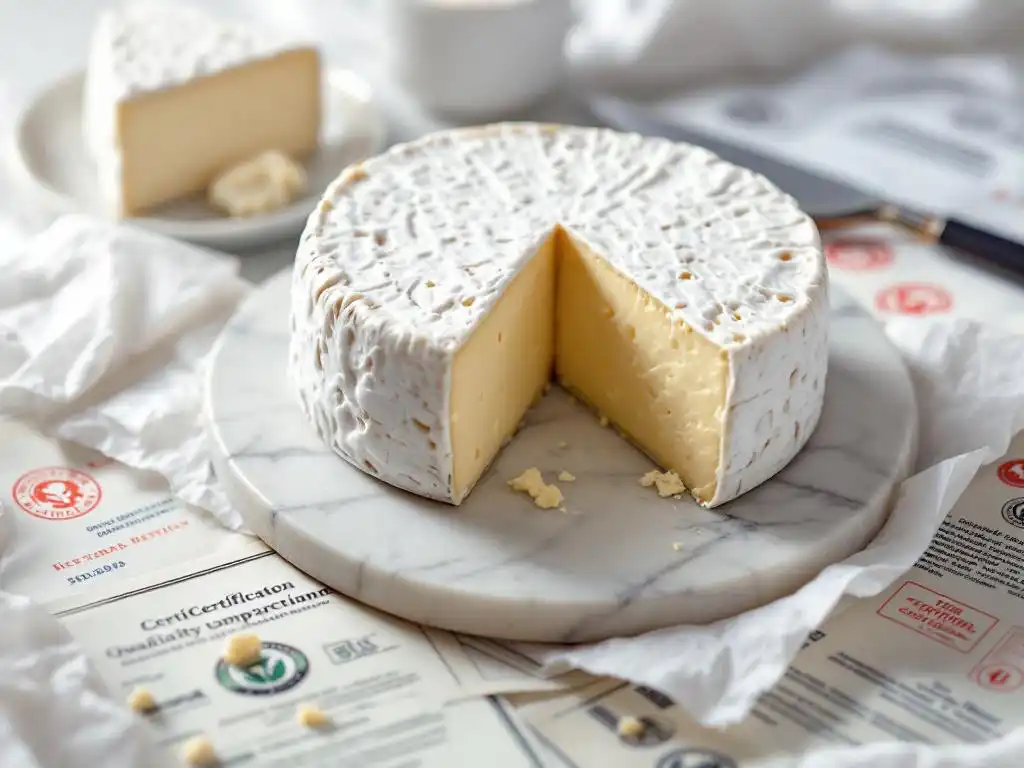
Goat cheese requires specific certifications and production standards to enter regulated markets successfully. These markets, including healthcare facilities, international export destinations, and specialty retail chains, demand comprehensive documentation proving food safety, quality consistency, and regulatory compliance. Understanding what makes goat cheese suitable for these stringent environments helps producers and distributors navigate complex requirements while ensuring product integrity and market access.
What exactly are regulated markets for specialty cheese products?
Regulated markets for specialty cheese products are commercial environments with strict food safety requirements, mandatory certifications, and comprehensive documentation standards. These include healthcare institutions, government facilities, international export markets, and retail chains with specific supplier requirements. Unlike standard consumer markets, where basic food safety rules apply, regulated markets demand extensive verification of production processes, ingredient sourcing, and quality control systems.
The regulatory framework for these markets typically requires HACCP (Hazard Analysis and Critical Control Points) certification as a foundation, along with additional standards like BRC (British Retail Consortium) or IFS (International Featured Standards). These certifications verify that cheese producers maintain systematic approaches to food safety, from raw material receipt through finished product distribution.
Cheese producers entering regulated markets must demonstrate:
- Complete traceability from milk source to final product
- Validated critical control points in production
- Regular third-party audits and inspections
- Comprehensive documentation systems
- Staff training records and competency verification
The distinction between regulated and standard markets becomes clear in documentation requirements. While local farmers’ markets might accept basic health permits, regulated markets demand extensive paperwork, including certificates of analysis, microbiological test results, and detailed product specifications. This difference reflects the higher risk management standards required when supplying vulnerable populations or crossing international borders.
Why do regulated markets have specific requirements for goat cheese?
Goat cheese faces unique regulatory scrutiny due to its distinct microbiological profile, allergen considerations, and production characteristics. The natural enzyme composition and pH levels in goat milk create different food safety parameters compared to cow’s milk products. Regulated markets recognize these differences and establish specific protocols to ensure consistent safety and quality across all goat cheese varieties.
Microbiological considerations for goat cheese center on its typically higher moisture content and softer texture, which can support bacterial growth if not properly controlled. Fresh goat cheese varieties require particularly stringent temperature control and shelf-life management. The natural variations in goat milk composition throughout lactation cycles also demand careful monitoring to maintain consistent product characteristics.
Allergen management presents another critical requirement. While goat cheese offers an alternative for some individuals with cow’s milk sensitivities, it still contains milk proteins that require clear labeling. Regulated markets mandate precise allergen declarations and often require dedicated production lines or thorough cleaning protocols to prevent cross-contamination.
Traceability requirements for goat cheese extend beyond standard dairy products due to smaller herd sizes and seasonal production variations. Regulated markets typically require:
- Individual herd health documentation
- Feed source verification and quality certificates
- Detailed batch coding linking to specific production dates and milk sources
- Temperature logs throughout the supply chain
- Microbiological testing results for each production lot
What certifications make goat cheese suitable for international markets?
International market access for goat cheese requires multiple layers of certification, starting with GFSI-recognized food safety standards. These Global Food Safety Initiative–benchmarked schemes include BRC Global Standards, IFS Food, FSSC 22000, and SQF, each providing third-party verification of comprehensive food safety management systems. Most international buyers require at least one GFSI certification as a minimum entry requirement.
Beyond core food safety certifications, organic certification opens significant market opportunities, particularly in European and North American markets. Organic goat cheese must meet strict requirements for animal welfare, feed sources, and processing methods. The certification process involves regular inspections, detailed record-keeping, and adherence to specific standards that vary by destination country.
Religious dietary certifications expand market reach considerably. Halal certification for goat cheese involves verifying that all ingredients, processing aids, and equipment meet Islamic dietary laws. Kosher certification requires rabbinical supervision and adherence to Jewish dietary laws, including specific requirements for milk collection timing and dedicated equipment.
Country-specific import regulations add another layer of complexity:
- European Union: Health certificates and approved establishment listings
- United States: FDA facility registration and HARPC compliance
- China: GACC registration and specific labeling requirements
- Middle East: Halal certification and often country-specific health certificates
- Japan: Detailed compositional standards and specific microbiological criteria
How does the production process affect goat cheese compliance?
The production process directly determines goat cheese compliance with regulated market requirements through critical control points, documentation systems, and quality assurance protocols. Pasteurization represents the most fundamental process affecting compliance, with most regulated markets requiring either proper pasteurization or extended aging periods for raw milk varieties. The pasteurization process must achieve specific time–temperature combinations with continuous monitoring and recording systems.
Hygiene protocols throughout production create the foundation for compliance. This includes validated cleaning and sanitization procedures, environmental monitoring programs, and personal hygiene standards for all production staff. Modern compliance standards require documented verification of cleaning effectiveness through ATP testing or similar methods.
Quality control checkpoints must align with HACCP principles, identifying where hazards could occur and implementing preventive measures. For goat cheese production, critical control points typically include:
- Raw milk receipt and testing
- Pasteurization temperature and time
- Starter culture addition and pH development
- Curd formation and moisture control
- Salting or brining procedures
- Aging conditions and duration
- Final product testing and release
Traditional cheese-making methods can meet modern regulatory standards through careful adaptation. Artisanal techniques remain viable when supported by robust documentation systems and scientific validation. This might involve validating traditional aging caves through environmental monitoring or documenting that traditional wooden tools meet hygiene standards through proper maintenance and testing protocols.
What packaging and labeling requirements apply to regulated goat cheese markets?
Packaging for regulated goat cheese markets must meet food contact safety standards while maintaining product integrity throughout distribution. Material safety requirements typically include certificates of compliance for all packaging components, migration testing results, and verification that materials meet specific regulations such as EU 10/2011 or FDA food contact notifications. Barrier properties must prevent moisture loss while allowing appropriate gas exchange for living cheese products.
Labeling regulations for regulated markets extend far beyond basic requirements, demanding precise information presented in specified formats. Allergen declarations must appear prominently, often in bold or contrasting colors, clearly stating “Contains: Milk” or the equivalent in the destination country’s language. Nutritional information must follow specific formats, whether the EU nutrition declaration table or the US Nutrition Facts panel.
Origin claims require substantial documentation to prevent misleading consumers. Terms like “Product of the Netherlands” or “Traditional Dutch Goat Cheese” need supporting evidence of production location and methods. Protected designation claims such as PDO or PGI require additional certification and compliance with registered specifications.
Traceability coding systems must enable rapid product tracking through the supply chain. Effective systems include:
- Batch or lot codes linking to production records
- Best-before dates in required formats (DD/MM/YYYY or MM/DD/YYYY, depending on the market)
- Facility identification numbers for regulatory compliance
- Barcodes or QR codes for supply chain tracking
- Temperature indicators for cold chain verification
How DeJong Cheese helps with regulated market compliance
We at DeJong Cheese understand the complexities of entering regulated markets with goat cheese products. Our comprehensive approach to compliance starts with our extensive certification portfolio, which includes the highest food safety standards required by international markets. We maintain these certifications through rigorous internal systems and regular third-party audits, ensuring our B2B customers can confidently supply even the most demanding regulated environments.
Our support for regulated market entry includes:
- Complete documentation packages tailored to specific market requirements
- Flexible packaging options that meet international food contact regulations
- Custom labeling solutions for different regulatory frameworks
- Private label development with full compliance support
- Technical assistance for customer audit preparation
- Batch-specific certificates of analysis and microbiological results
We recognize that each regulated market has unique requirements, which is why we offer customized solutions for our B2B partners. Whether you need specific certifications for healthcare foodservice, documentation for international export, or private label products that meet retail compliance standards, our team provides hands-on support throughout the process.
Our traditional craftsmanship, combined with modern quality systems, ensures products that meet both regulatory requirements and quality expectations. With over 25 years of experience and exports to more than 20 countries, we have developed the expertise to navigate complex international regulations while maintaining the authentic taste and quality our customers expect.
Ready to explore how our goat cheese solutions can help you succeed in regulated markets? Contact our team to discuss your specific requirements. Learn more about our comprehensive product range or find where our products are available in your area.
Frequently Asked Questions
What documentation should I prepare before approaching DeJong Cheese for regulated market supply?
Before initiating discussions, prepare your facility’s food safety certifications, specific market requirements (such as healthcare or export destination regulations), anticipated volume needs, and any private label specifications. Having clear documentation of your compliance requirements, including specific certifications needed for your target markets, helps us develop tailored solutions more efficiently. We also recommend preparing information about your current quality assurance processes and any specific packaging or labeling requirements unique to your regulated market segment.
How long does it typically take to establish goat cheese supply for a new regulated market?
The timeline for establishing compliant goat cheese supply varies by market complexity, typically ranging from 4-12 weeks. Initial documentation review and product selection usually takes 1-2 weeks, followed by sample approval and any necessary testing (2-4 weeks), and finally, regulatory submission and approval processes specific to your market. International markets requiring additional certifications or country-specific health certificates may extend this timeline, which is why we recommend starting the process well before your planned market entry date.
What are the most common compliance mistakes when entering regulated markets with goat cheese?
The most frequent mistakes include underestimating documentation requirements, assuming standard retail certifications suffice for healthcare markets, and inadequate cold chain validation. Many suppliers also overlook the importance of batch-specific testing data or fail to maintain proper traceability records linking finished products to milk sources. Another critical error is not accounting for shelf-life requirements specific to regulated environments, where products may need extended stability testing or modified packaging to meet distribution timelines.
Can traditional artisanal goat cheese meet modern regulatory standards without losing authenticity?
Yes, traditional production methods can absolutely meet regulatory standards through proper validation and documentation. The key is implementing monitoring systems that verify traditional processes achieve food safety objectives—for example, documenting that natural cave aging maintains appropriate temperature and humidity while preventing pathogen growth. Modern testing methods can validate traditional techniques, such as proving that wooden aging boards are properly maintained and sanitized, allowing producers to preserve authenticity while meeting compliance requirements.
What additional costs should I budget for when supplying goat cheese to regulated markets?
Beyond standard product costs, budget for certification maintenance fees (typically €5,000-15,000 annually per standard), additional testing requirements (€200-500 per batch for comprehensive analysis), specialized packaging that meets regulatory standards (often 15-25% more than standard packaging), and documentation management systems. Also consider costs for regulatory consultants, translation services for international markets, and potential product liability insurance increases. These investments typically represent 10-20% additional overhead but are essential for maintaining market access.
How do I handle product recalls or quality issues in regulated markets?
Establish a documented recall procedure before entering regulated markets, including clear communication channels, traceability systems enabling rapid batch identification, and predetermined notification protocols for regulatory authorities. Maintain detailed distribution records showing exactly where each batch was delivered, and establish response timelines meeting regulatory requirements (often within 24-48 hours). Partner with suppliers like DeJong Cheese who have proven recall procedures and can provide immediate support with batch isolation, root cause analysis, and regulatory communication to minimize market impact.
Related Articles
- What are the hidden costs of inconsistent quality in goat cheese crumbles during production?
- How does pallet delivery of goat cheese curd for the food industry work?
- What are the advantages of flexible goat cheese packaging options?
- Is goat cheese saltier than cow cheese?
- Which goat cheese options work best in salads for restaurants or cafés?