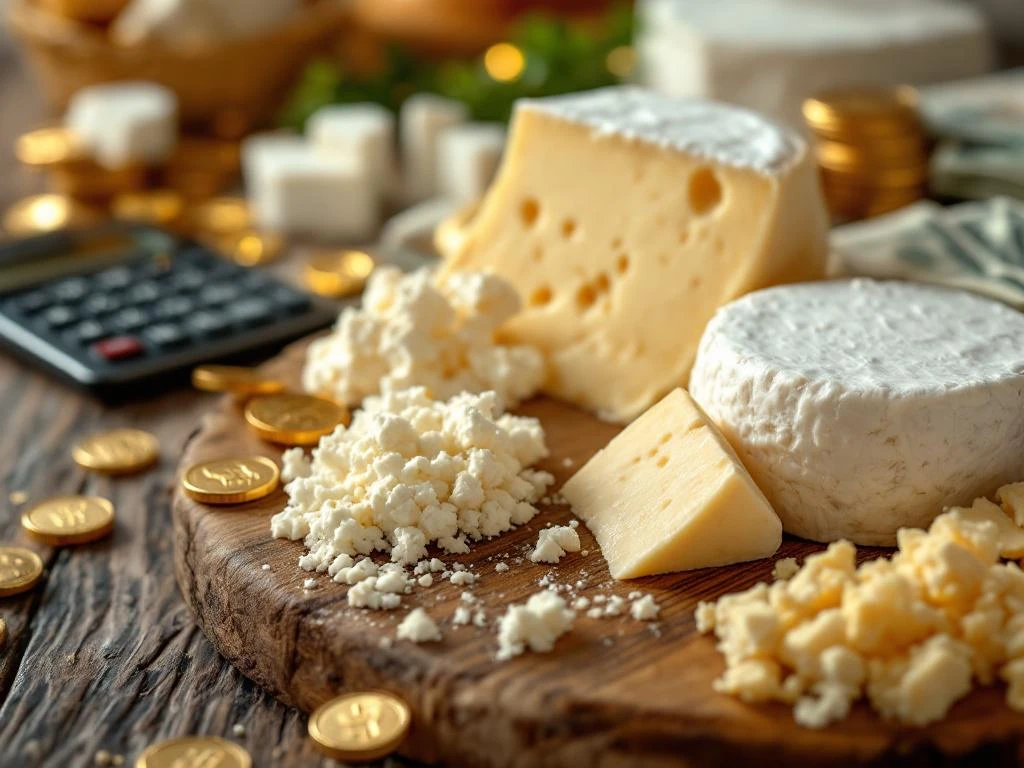
Goat cheese improves menu profitability by commanding premium prices whilst offering exceptional versatility and longer shelf life than many specialty cheeses. Restaurants typically charge 15-30% more for dishes featuring goat cheese, capitalising on consumer perception of it as a sophisticated ingredient. Its distinctive tangy flavour profile allows chefs to transform simple dishes into memorable culinary experiences, encouraging repeat visits and positive reviews that drive revenue growth.
Why restaurants choose goat cheese for premium menu offerings
The growing presence of goat cheese in restaurant menus reflects a strategic shift towards premium ingredient positioning that delivers substantial financial advantages. As consumer demand for specialty cheeses continues to rise, goat cheese has emerged as a cornerstone ingredient that meets expectations for unique dining experiences whilst boosting profit margins.
Market trends show diners increasingly seek distinctive flavours and artisanal products, willing to pay premium prices for perceived quality and authenticity. Goat cheese perfectly fills this niche, offering restaurants an opportunity to differentiate their menus from competitors. The cheese’s association with European culinary traditions and artisanal production methods creates an immediate perception of sophistication and quality.
For foodservice establishments, goat cheese represents more than just another cheese option. It serves as a versatile ingredient that elevates both simple and complex dishes, creating signature items that customers specifically return for. This loyalty translates directly into improved profitability through increased average ticket sizes and customer retention.
What does goat cheese taste like compared to regular cheese?
Goat cheese delivers a distinctive flavour profile characterised by its tangy, creamy texture and slightly earthy undertones that set it apart from traditional cow’s milk cheese. This unique taste creates memorable dishes that justify premium pricing and encourage customers to explore new menu items.
The tanginess in goat cheese comes from naturally occurring fatty acids, particularly capric acid, which gives it that characteristic “goaty” flavour. Unlike cow’s milk cheese, which tends towards milder, buttery notes, goat cheese offers a bright, fresh taste that cuts through rich dishes and complements both sweet and savoury ingredients. The texture ranges from spreadably soft in fresh varieties to firm and crumbly in aged versions.
This flavour complexity allows chefs to create dishes with depth and sophistication without requiring extensive preparation or additional ingredients. The cheese’s natural acidity brightens salads, its creaminess enriches sauces, and its distinctive taste transforms ordinary pizzas and sandwiches into gourmet offerings. These unique attributes enable restaurants to charge premium prices whilst delivering genuine value through enhanced flavour experiences.
How much more can restaurants charge for goat cheese dishes?
Analysis of goat cheese menu pricing reveals restaurants successfully implement markups ranging from 15% to 35% compared to similar dishes featuring standard cheeses. This pricing strategy reflects consumer willingness to pay premium prices for specialty cheese dishes across various menu categories.
Appetisers featuring goat cheese typically command the highest percentage markups. A simple mixed green salad might sell for £8, whilst the same salad topped with warm goat cheese medallions easily fetches £12-14. Pizza offerings show similar patterns, with goat cheese variants priced £2-4 higher than comparable mozzarella options. Main courses incorporating goat cheese as a primary component often see absolute price increases of £3-6.
The key to successful pricing lies in presentation and menu description. Highlighting the cheese’s artisanal qualities, origin, and unique preparation methods justifies premium pricing in customers’ minds. Restaurants that effectively communicate the value proposition of their goat cheese dishes report minimal price resistance, with many customers actively seeking these options despite higher costs.
Which menu categories benefit most from goat cheese additions?
Strategic placement of restaurant goat cheese dishes across menu categories maximises profitability whilst creating signature items that differentiate establishments from competitors. Certain menu sections particularly benefit from goat cheese additions, transforming standard offerings into premium experiences.
Salads represent the most profitable application, where goat cheese transforms a simple side into a substantial, premium offering. The addition of warm goat cheese to a basic salad allows restaurants to position it as a main course, increasing both portion size perception and price point. Similarly, cheese boards featuring artisanal goat cheese varieties command premium prices whilst requiring minimal kitchen preparation.
Pizza and flatbread offerings benefit significantly from goat cheese additions, appealing to customers seeking alternatives to traditional toppings. Sandwiches and wraps gain sophistication through goat cheese spreads, whilst pasta dishes achieve restaurant-quality distinction with goat cheese-based sauces. Each application allows for creative menu descriptions that emphasise quality and uniqueness.
For those looking to expand their specialty cheese offerings, exploring wholesale options for premium goat cheese varieties can provide the flexibility and quality needed to create standout menu items.
What makes goat cheese more profitable than other specialty cheeses?
Examination of operational advantages reveals why goat cheese delivers superior profit margins compared to other premium cheese options. The combination of extended shelf life, versatility, and efficient portion control creates measurable cost benefits for foodservice operations.
Properly stored goat cheese maintains quality longer than many soft specialty cheeses, reducing waste and improving inventory management. Fresh goat cheese typically remains viable for several weeks when refrigerated correctly, whilst aged varieties offer even longer storage potential. This stability allows restaurants to maintain consistent quality whilst minimising product loss.
The versatility of goat cheese across hot and cold applications maximises menu utilisation. Unlike some specialty cheeses that require specific temperature conditions or preparation methods, goat cheese performs excellently whether crumbled over salads, melted into sauces, or served at room temperature on cheese boards. This flexibility reduces the need for multiple specialty cheese inventories whilst satisfying diverse menu requirements.
Portion control presents another profitability advantage. Goat cheese’s intense flavour means smaller quantities deliver significant impact, allowing precise cost management. Pre-portioned formats and the cheese’s natural crumbling properties facilitate consistent serving sizes, reducing over-portioning that often occurs with softer specialty cheeses.
Maximizing menu profitability with goat cheese selections
Strategic approaches to incorporating specialty cheese menu items require thoughtful planning around pairing suggestions, seasonal menu development, and signature dish creation. Successful implementation drives both customer satisfaction and improved financial performance.
Pairing goat cheese with complementary ingredients amplifies its appeal whilst justifying premium pricing. Classic combinations like goat cheese with caramelised onions, roasted beetroot, or honey and walnuts create memorable flavour profiles. Seasonal menu planning allows restaurants to feature goat cheese with fresh, local ingredients, maintaining menu excitement whilst controlling costs through ingredient availability.
Creating signature dishes around goat cheese establishes menu identity and encourages repeat visits. Whether developing a house-made goat cheese gnocchi or a signature goat cheese soufflé, these unique offerings become destination dishes that differentiate restaurants in competitive markets. Proper presentation, from elegant plating to detailed menu descriptions, reinforces the premium positioning that supports higher price points.
Success in maximising goat cheese profitability ultimately depends on selecting quality products that deliver consistent results. By focusing on reliable suppliers and maintaining proper storage conditions, restaurants ensure every goat cheese dish meets customer expectations, building the reputation and loyalty that drive long-term profitability. The investment in premium goat cheese pays dividends through increased average check sizes, positive reviews, and the establishment of a sophisticated culinary identity.