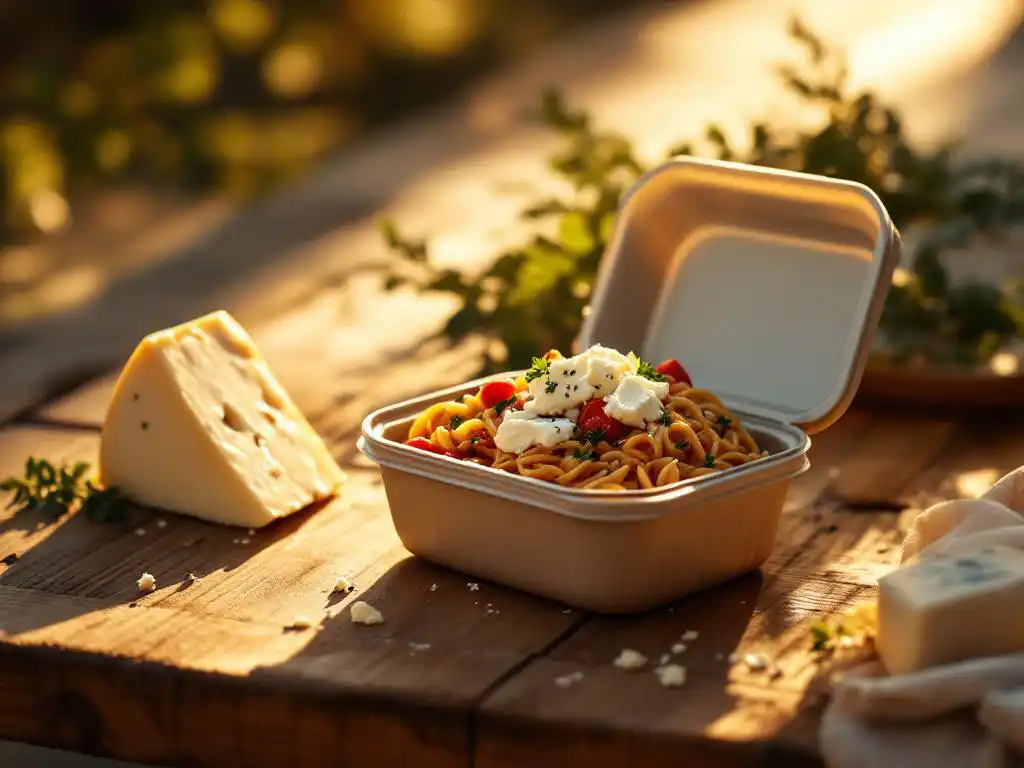
Goat cheese has become a premium ingredient in ready meals worldwide, offering manufacturers unique advantages in texture, flavour, and nutritional profile. Its creamy consistency, distinctive taste, and excellent melting properties make it ideal for convenience foods ranging from salads to hot dishes. Ready meal producers increasingly turn to goat cheese to differentiate their products, meet dietary preferences, and add artisanal quality to mass-produced meals.
What makes goat cheese ideal for ready meal applications?
Goat cheese brings exceptional qualities to ready meals through its creamy texture, which maintains its consistency during storage and reheating. Its tangy, distinctive flavour enhances dishes without overpowering other ingredients, while its smooth melting characteristics create appealing visual and textural elements in hot applications.
The nutritional advantages of goat cheese particularly appeal to health-conscious consumers in the ready meal market. With smaller fat globules than cow’s milk cheese, goat cheese is easier to digest and contains less lactose, making it suitable for consumers with mild dairy sensitivities. Its protein structure differs from that of cow’s milk, often causing fewer digestive issues while providing essential nutrients.
For ready meal manufacturers, goat cheese offers practical benefits, including:
- Stable texture that withstands freezing and thawing cycles
- Natural preservation qualities that extend shelf life
- Versatility across hot and cold applications
- Premium positioning that justifies higher price points
- Clean-label appeal with minimal processing requirements
The cheese’s ability to maintain quality through temperature variations makes it particularly valuable for meal kit services and frozen ready meals. Its distinctive flavour profile helps mask any taste degradation that might occur during storage, ensuring consistent product quality from production to consumption.
Which global cuisines incorporate goat cheese in ready meals?
Mediterranean cuisines lead the way in goat cheese ready meal applications, with Greek salads, Italian pasta dishes, and French quiches featuring prominently in convenience food ranges. European markets particularly favour goat cheese in vegetarian options, where it adds protein and richness to plant-forward meals.
Middle Eastern ready meals incorporate goat cheese in mezze-style selections, combining it with roasted vegetables, herbs, and grains. These applications capitalise on goat cheese’s affinity with Mediterranean flavours such as sun-dried tomatoes, olives, and fresh herbs. The cheese works exceptionally well in:
- Greek-style wraps with spinach and feta-style goat cheese
- Italian risottos and pasta bakes
- French-inspired tarts and gratins
- Spanish tapas selections
- Middle Eastern grain bowls and salads
North American markets embrace goat cheese in premium salad kits and gourmet sandwich offerings, while Asian fusion ready meals increasingly feature goat cheese as a Western ingredient that adds creaminess without the heaviness of many traditional cheeses. Latin American applications include goat cheese in empanadas and grain-based bowls, combining it with local ingredients such as black beans and corn.
Regional preferences shape how goat cheese appears in ready meals, with Northern European markets favouring stronger, aged varieties, while Southern European and American markets prefer fresh, mild versions. These preferences influence product development and help manufacturers tailor their offerings to specific markets.
How do manufacturers handle goat cheese in ready meal production?
Manufacturing processes for goat cheese in ready meals require specific technical considerations to maintain quality and safety. Portion-control methods include pre-crumbling, cubing, or creating medallions that distribute evenly throughout dishes while controlling costs and ensuring consistent flavour in every serving.
Temperature management is critical when incorporating goat cheese into production lines. Fresh goat cheese requires cold chain maintenance throughout processing, while aged varieties offer more flexibility. Manufacturers typically add goat cheese at specific points in the production process to preserve its texture and prevent separation or oil release during cooking and packaging.
Different formats suit various applications:
- Crumbled cheese for salads and cold applications
- Sliced medallions for visual appeal in premium meals
- Whipped or spreadable formats for sandwich applications
- Cubed portions for hot dishes requiring melting characteristics
- Powdered forms for seasoning blends and coatings
Packaging requirements vary based on the ready meal format, with modified-atmosphere packaging helping maintain freshness in chilled products, while vacuum sealing works well for frozen applications. Shelf life optimisation involves balancing moisture content, pH levels, and packaging technology to achieve maximum stability without compromising quality.
What ready meal trends are driving goat cheese demand?
Premium meal kits represent the fastest-growing segment driving goat cheese demand, with consumers seeking restaurant-quality ingredients they can prepare at home. These kits often feature goat cheese as a finishing touch that elevates simple dishes, creating perceived value that justifies premium pricing.
Plant-forward eating trends position goat cheese as an ideal protein complement to vegetable-based meals. Unlike heavier cheeses, goat cheese adds richness without overwhelming plant ingredients, making it perfect for grain bowls, roasted vegetable dishes, and salad-based meals. The trend toward flexitarian diets particularly favours goat cheese as a high-quality animal protein used in moderation.
Health-focused convenience foods increasingly feature goat cheese for its digestibility and nutritional profile. Key trends include:
- Keto-friendly meals leveraging goat cheese’s high fat content
- Mediterranean diet options featuring traditional cheese pairings
- Gluten-free meals where goat cheese adds texture and flavour
- Protein-enriched vegetarian options
- Clean-label products with minimal ingredients
Ethnic fusion dishes create new opportunities for goat cheese applications, combining traditional cheese-making with global flavours. These innovative products appeal to adventurous consumers seeking authentic yet accessible international cuisine in convenient formats.
How does goat cheese solve common ready meal challenges?
Goat cheese addresses flavour degradation during storage through its naturally tangy profile, which actually improves with slight ageing. Unlike mild cheeses that lose character over time, goat cheese maintains its distinctive taste throughout the product’s shelf life, ensuring consistent quality from production to consumption.
Texture maintenance presents ongoing challenges in ready meals, particularly through freezing and reheating cycles. Goat cheese’s unique protein structure helps it maintain creaminess better than many cow’s milk cheeses, resisting the grainy texture that often develops during temperature changes. This stability makes it ideal for both chilled and frozen ready meal applications.
Market differentiation becomes easier with goat cheese as a premium ingredient that signals quality and sophistication. Benefits for manufacturers include:
- Premium positioning without excessive cost increases
- Appeal to health-conscious consumers
- Compatibility with various dietary preferences
- Natural flavour enhancement, reducing the need for additives
- Visual appeal through its distinctive white colour and creamy texture
Dietary preferences increasingly influence purchasing decisions, and goat cheese meets multiple needs simultaneously. It suits vegetarian diets, appeals to those seeking more easily digestible dairy options, and fits into various cultural and religious dietary requirements. This versatility helps manufacturers create products with broader market appeal while maintaining a premium position.
How DeJong Cheese helps with global ready meal innovation
We provide comprehensive solutions for ready meal manufacturers seeking to incorporate high-quality goat cheese into their product lines. Our expertise in both fresh and aged goat cheese varieties enables us to recommend optimal formats for specific applications, ensuring product success from development through to market launch.
Our ready meal solutions include:
- Bulk packaging options tailored to production line requirements
- Custom product development for unique flavour profiles and textures
- Consistent quality standards meeting international food safety certifications
- Flexible formats, from crumbles to medallions, for various applications
- Technical support for optimal incorporation into manufacturing processes
- Private-label opportunities for brand differentiation
With our traditional cheese-making expertise combined with modern production capabilities, we help manufacturers overcome common challenges in ready meal production. Our team understands the technical requirements of industrial food processing while maintaining the artisanal quality that makes goat cheese special.
Ready to enhance your ready meal offerings with premium goat cheese? Explore our foodservice solutions to discover how our products can elevate your range. For specific requirements or to discuss custom development opportunities, contact our team directly. Learn more about where to find our products through our sales points network.
Frequently Asked Questions
How long does goat cheese typically last in ready meals compared to other cheeses?
Goat cheese generally maintains quality for 3-6 months in frozen ready meals and 2-3 weeks in chilled products, depending on packaging and storage conditions. Its naturally lower pH and unique protein structure often provide better stability than soft cow’s milk cheeses, though harder cheeses like cheddar may have longer shelf lives in certain applications.
What's the best way to prevent goat cheese from becoming grainy when reheating ready meals?
To prevent graininess, manufacturers should use goat cheese with optimal moisture content (45-55% for fresh varieties) and incorporate stabilizers like modified starches or gums when necessary. For consumers, gradual reheating at medium power in microwaves or gentle oven warming helps maintain the creamy texture, and stirring halfway through heating distributes heat more evenly.
Which goat cheese varieties work best for meal prep services that deliver fresh ingredients?
Fresh chèvre and semi-aged goat cheese (2-4 weeks) perform best in meal prep kits as they maintain quality for 7-10 days under refrigeration. Vacuum-sealed portions or modified atmosphere packaging extends freshness, while pre-portioned medallions or crumbles reduce prep time and ensure consistent flavoring across servings.
How can manufacturers calculate the right amount of goat cheese per serving to balance cost and flavor?
Optimal portions typically range from 20-30g for cold applications like salads and 30-50g for hot dishes where melting is desired. Start with lower amounts and adjust based on the dish’s flavor profile, considering that goat cheese’s tangy taste means less is often needed compared to milder cheeses, helping control costs while maintaining premium appeal.
What are the most common mistakes when incorporating goat cheese into frozen ready meals?
Common mistakes include adding goat cheese too early in the cooking process (causing separation), using varieties with too high moisture content (leading to ice crystal formation), and improper packaging that allows freezer burn. Success requires selecting appropriate goat cheese formats, timing addition correctly, and using barrier packaging that prevents moisture migration during storage.
How do you source goat cheese that meets both organic and halal certification requirements?
Look for suppliers who maintain dual certifications and can provide complete traceability from farm to production. Key considerations include ensuring animal feed meets organic standards, verifying halal slaughter practices for any rennet used, and confirming segregated production lines. Established suppliers like specialized cheese manufacturers often have these certifications already in place, simplifying compliance for ready meal producers.