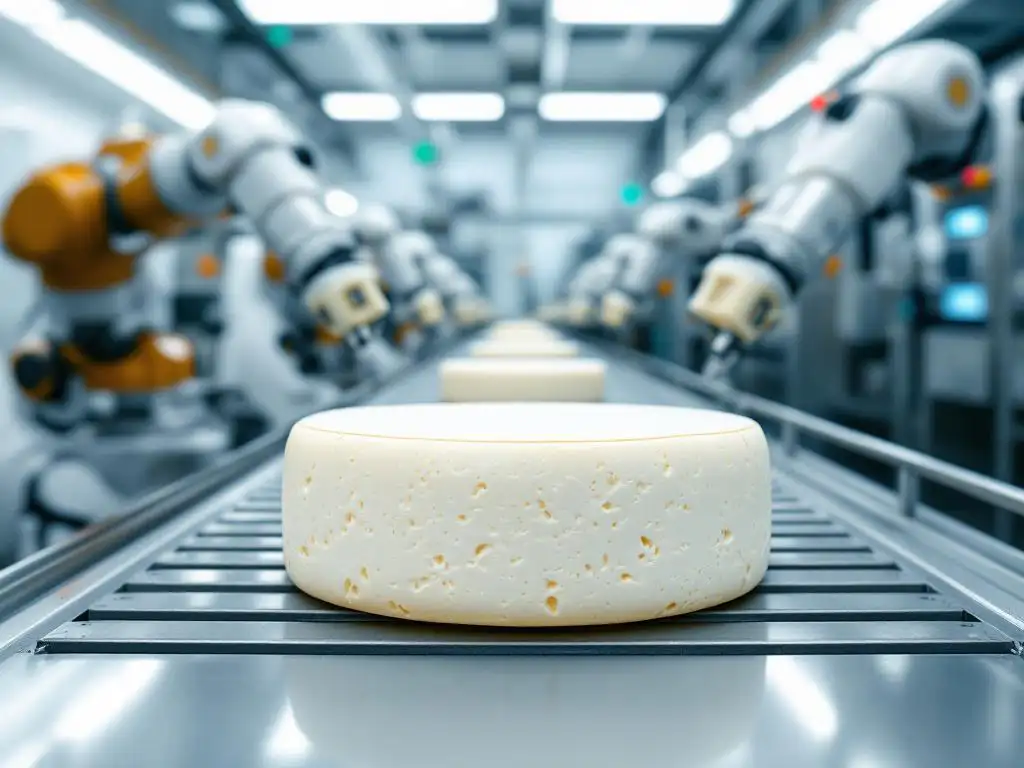
Goat cheese requires unique considerations for automation due to its delicate texture, specific protein structure, and temperature sensitivity. Unlike cow’s milk cheeses, goat cheese production involves shorter aging periods and more careful handling, making automation both challenging and beneficial. Modern producers are increasingly adopting automated systems to maintain consistency while preserving traditional quality, addressing labour shortages and meeting growing market demand for this speciality cheese.
What makes goat cheese different from other cheeses in production?
Goat cheese production differs significantly from cow’s milk cheese due to its unique protein structure and lower casein content. The milk contains smaller fat globules and a different protein composition, creating a naturally softer, more crumbly texture that requires gentler handling throughout production. These characteristics affect every stage, from pasteurisation to packaging.
The shorter aging requirements of most goat cheeses, typically ranging from fresh to just a few weeks old, mean production cycles move faster than those of traditionally aged cheeses. This rapid turnover creates opportunities for automation but demands precise timing and temperature control. Temperature sensitivity is particularly critical, as goat cheese curds form and set differently from cow’s milk varieties, requiring careful monitoring between 20–22°C for optimal results.
The natural development of acidity in goat’s milk occurs more quickly, affecting how automated systems must handle pH monitoring and adjustment. This faster acidification means automated equipment needs more frequent calibration and highly responsive controls. Additionally, the lower yield from goat’s milk compared with cow’s milk makes efficiency through automation even more valuable for producers seeking to maximise output while maintaining quality standards.
Why is automation becoming important for goat cheese producers?
Market demand for goat cheese has grown substantially, with consumers seeking artisanal quality at accessible prices. This increased demand puts pressure on traditional producers, who struggle to scale production while maintaining handcrafted standards. Automation offers solutions by enabling consistent quality across larger batches without sacrificing the characteristics consumers expect from premium goat cheese.
Labour challenges significantly impact the dairy industry, particularly in specialised cheese production that requires skilled workers. Finding and training staff who understand the nuances of goat cheese making is increasingly difficult and expensive. Automated systems reduce dependency on specialised labour while ensuring that critical processes such as temperature control and timing remain precise, regardless of staff availability or experience levels.
Quality control and food safety requirements continue to tighten globally, making manual processes harder to monitor and document effectively. Automation provides comprehensive tracking and recording capabilities, from milk reception through to final packaging. This traceability satisfies regulatory requirements while reducing contamination risks through minimised human contact. Automated cleaning systems also ensure consistent sanitation between batches, which is critical for maintaining the delicate flavours goat cheese consumers expect.
Which parts of goat cheese production can be automated?
Milk pasteurisation and initial processing benefit greatly from automation, with systems precisely controlling temperatures and holding times. Automated pasteurisers ensure consistent pathogen elimination while preserving the milk’s delicate flavour compounds. These systems also manage cooling rates that are critical for maintaining milk quality before culture addition, eliminating variables that affect final product consistency.
Curd formation and cutting represent ideal automation opportunities through programmable vats with integrated cutting mechanisms. These systems monitor pH development and automatically initiate cutting at optimal acidity levels. Automated curd-handling equipment gently transfers delicate goat cheese curds without breaking them down excessively, maintaining the desired texture while improving efficiency. Drainage systems with programmable cycles ensure consistent moisture content across batches.
Moulding, brining, and packaging processes show excellent automation potential, while certain steps still benefit from human expertise. Automated filling systems portion exact amounts into moulds, and robotic turning equipment ensures even drainage during initial aging. However, surface treatments for aged varieties and final quality inspection often require experienced cheesemakers who can assess subtle variations that automated sensors might miss. The key lies in identifying which processes genuinely benefit from human touch versus those where automation improves outcomes.
What equipment is essential for automating goat cheese production?
Automated vats with precise temperature control and programmable agitation form the foundation of modern goat cheese production. These systems maintain exact temperatures throughout pasteurisation and culturing, with integrated pH meters triggering subsequent steps automatically. Advanced models include CIP (Clean-in-Place) capabilities, reducing downtime between batches while ensuring thorough sanitation.
Curd cutting and handling systems designed specifically for delicate goat cheese textures are essential for maintaining quality at scale. Wire harps with adjustable spacing create uniform curd sizes, while gentle pumping systems transfer curds without excessive shearing. Climate-controlled aging rooms with automated monitoring maintain the precise temperature and humidity levels critical for consistent product development, particularly for surface-ripened varieties.
Packaging machinery adapted for soft cheese handling completes the automation chain, from portioning fresh cheese into containers to wrapping aged wheels. Vision systems inspect for defects, while weight checks ensure portion control. Integrated labelling equipment applies batch codes and best-before dates automatically, maintaining traceability throughout distribution. These systems work together through central control software that coordinates timing and monitors key parameters across the entire production line.
How does automation affect goat cheese quality and consistency?
Automated systems dramatically improve product consistency through precise control of critical parameters such as temperature, pH, and timing. Manual processes inevitably introduce variations as different operators work slightly differently, but automated equipment performs identically with every batch. This consistency particularly benefits fresh goat cheese, where texture and moisture content directly impact consumer satisfaction and shelf life.
Quality improvements extend beyond basic consistency to enhanced food safety through reduced human contact and better environmental control. Automated monitoring systems detect deviations immediately, preventing entire batches from developing problems that might go unnoticed in manual production. Digital records provide complete batch histories, enabling producers to identify and correct issues quickly while demonstrating compliance with food safety regulations.
Traditional taste profiles remain achievable through careful automation programming that replicates artisanal techniques. Modern systems can mimic hand-ladling movements for certain cheese styles or adjust parameters to match seasonal milk variations. The ability to maintain these traditional characteristics at larger scales allows producers to meet growing demand without compromising the authentic flavours consumers associate with quality goat cheese. When implemented thoughtfully, automation enhances rather than replaces craftsmanship.
How DeJong Cheese helps with goat cheese automation
We combine decades of traditional cheese-making expertise with modern automation techniques to deliver consistent, high-quality goat cheese products for B2B clients worldwide. Our state-of-the-art facility utilises automated systems while maintaining the artisanal touch that defines our Alphenaer brand, ensuring that every batch meets the exacting standards our partners expect.
Our automation capabilities specifically benefit B2B clients through:
- Bulk packaging options designed for automated handling in your facilities
- Consistent product specifications that integrate seamlessly with your production processes
- Private-label production with customised recipes and packaging formats
- Flexible order quantities supported by efficient automated production
- Complete traceability and quality documentation for international markets
We understand the challenges of scaling goat cheese production while maintaining quality, which is why we offer customised solutions for foodservice and industrial applications. Whether you need fresh goat cheese for ready meals or aged varieties for gourmet applications, our automated systems deliver the consistency and volume modern food businesses require. Contact our team to discuss how our automation expertise can support your specific goat cheese needs, or explore our products at various sales points to experience the quality difference delivered by our combined traditional and automated approach.
Frequently Asked Questions
What are the most common mistakes when transitioning from manual to automated goat cheese production?
The biggest mistakes include over-automating processes that benefit from human expertise (like surface treatments for aged varieties), failing to adjust equipment settings for goat milk’s unique properties, and not maintaining proper staff training on the automated systems. Success requires identifying which specific processes truly benefit from automation while preserving manual oversight for quality-critical steps, and ensuring operators understand both the technology and traditional cheese-making principles.
How much does it typically cost to implement automation in a small-scale goat cheese facility?
Initial automation investments for small producers typically range from €50,000-€200,000, depending on which processes you automate first. Starting with temperature-controlled vats and automated pH monitoring provides the best return on investment, while packaging automation can be added later as production scales. Many producers phase implementation over 2-3 years, beginning with critical control points and expanding based on actual production needs and budget availability.
Can automated systems handle seasonal variations in goat milk composition?
Modern automated systems can be programmed with seasonal profiles that adjust processing parameters based on expected milk composition changes throughout the year. Advanced systems use real-time milk analysis to automatically modify temperature curves, culture additions, and processing times. However, experienced cheesemakers should still review and fine-tune these adjustments, particularly during transition periods between seasons when milk characteristics change most rapidly.
What maintenance requirements should I expect with automated goat cheese equipment?
Automated cheese-making equipment requires daily CIP cycles, weekly calibration checks for pH meters and temperature probes, and monthly inspection of mechanical components like pumps and agitators. Annual professional servicing is essential for maintaining warranties and preventing unexpected breakdowns. Budget approximately 5-8% of initial equipment cost annually for maintenance, replacement parts, and professional service contracts to ensure consistent operation.
How do I train existing staff to work with new automated systems effectively?
Successful training combines hands-on equipment operation with understanding the underlying cheese-making principles the automation replicates. Start with a 2-3 day intensive training from equipment suppliers, followed by supervised production runs where staff can ask questions and troubleshoot issues. Create detailed operating procedures with visual aids, and designate automation champions who can train new staff and solve day-to-day problems without calling technicians.
Which certifications or standards should automated goat cheese facilities pursue?
HACCP certification is essential for any automated facility, as it demonstrates systematic control of food safety risks. ISO 22000 adds international credibility, particularly for export markets. For organic producers, ensure automated equipment meets organic certification requirements for cleaning agents and material contact surfaces. BRC or IFS certification may be required by major retailers, and these standards specifically value the traceability and consistency that automation provides.
Related Articles
- What is the CO₂ footprint of goat cheese produced locally within 100 km?
- Why is transparency about milk origin important when purchasing goat cheese?
- Why is a supplier with their own milk sources within 100 km more reliable for the industry?
- How can goat cheese support sustainable food concepts?
- What crackers pair best with goat cheese?