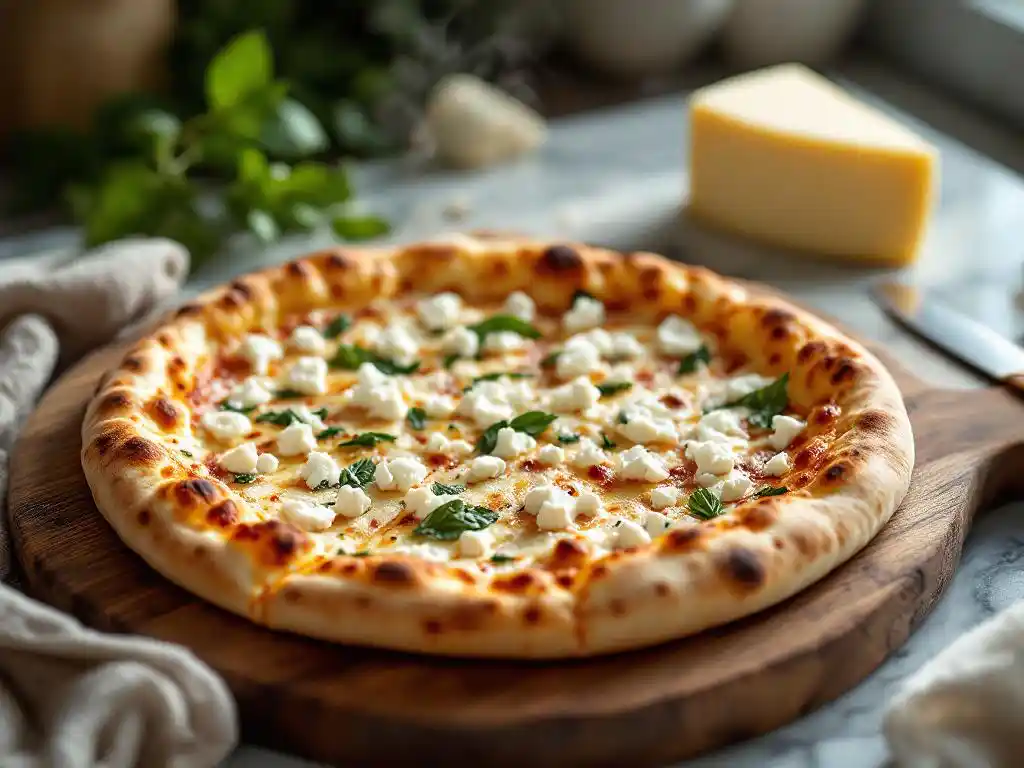
Goat cheese offers frozen pizza manufacturers a unique opportunity to create premium, differentiated products that appeal to health-conscious consumers and gourmet markets. Its naturally tangy flavour profile, creamy texture, and excellent melting properties make it an ideal cheese for innovative frozen pizza ranges. Unlike traditional pizza cheeses, goat cheese maintains its distinctive taste through the freezing and reheating process, providing consistent quality that helps manufacturers stand out in a competitive market. This versatile cheese opens doors to new flavour combinations and product positioning that can command higher price points while meeting growing consumer demand for artisanal and alternative dairy options.
What makes goat cheese ideal for frozen pizza innovation?
Goat cheese brings several unique properties that make it particularly suitable for frozen pizza applications. Its creamy texture and tangy flavour profile remain stable through freezing and reheating cycles, unlike some traditional cheeses that can become grainy or lose their distinctive taste. The lower lactose content appeals to health-conscious consumers, while its protein structure creates an appealing melt without excessive oil separation.
The premium positioning of goat cheese allows manufacturers to target higher-end market segments and justify increased pricing. Its distinctive white colour provides visual appeal that photographs well for packaging, and the cheese’s natural tanginess reduces the need for additional flavour enhancers or preservatives. Goat cheese also pairs exceptionally well with on-trend ingredients like truffle oil, honey, and artisanal vegetables, enabling creative product development.
From a production standpoint, goat cheese’s moisture content can be controlled during manufacturing to optimise performance in frozen applications. This flexibility allows for customisation based on specific pizza styles, whether that is a crispy thin crust requiring lower moisture or a deeper dish needing more substantial cheese coverage.
How does goat cheese perform differently than traditional pizza cheeses?
Goat cheese exhibits distinct melting characteristics compared to mozzarella or cheddar, creating a creamy spread rather than stringy pulls. This difference stems from its unique protein structure and lower casein content, which results in a softer melt that maintains its shape without becoming rubbery. The cheese browns more delicately than traditional options, developing appealing golden spots without burning.
The moisture content in goat cheese typically ranges from 45–60%, compared to mozzarella’s 52–60%, but the water is bound differently within the protein matrix. This means goat cheese releases less free moisture during baking, reducing the risk of soggy crusts—a common challenge in frozen pizza production. The fat content, usually around 21–25%, contributes to a rich mouthfeel without the greasiness sometimes associated with aged cheddars.
Flavour retention presents another key advantage. While mozzarella can become bland after freezing, goat cheese maintains its characteristic tang and complexity. The cheese’s natural acidity (pH 4.5–4.8) also provides antimicrobial properties that can extend shelf life, making it particularly suitable for frozen products with longer storage requirements.
Which goat cheese varieties work best for frozen pizza applications?
Fresh goat cheese in crumbled format offers the most versatility for frozen pizza applications, maintaining discrete pieces that provide textural interest and even distribution. Aged goat cheeses work exceptionally well for gourmet pizzas, bringing more complex flavours and firmer textures that complement robust toppings. Semi-soft varieties provide an ideal middle ground, offering both spreadability and structure.
Spreadable goat cheese formats excel in white pizza applications or as a base layer beneath other toppings. These can be pre-portioned and frozen in discs for consistent application during production. Blended options combining goat cheese with cow’s milk cheeses offer manufacturers a way to balance cost while maintaining the distinctive goat cheese character—typically a 70:30 or 60:40 ratio works well.
For different pizza styles, consider these pairings: fresh crumbled for Mediterranean-style pizzas, aged varieties for flatbreads and artisanal offerings, and blended options for mainstream products seeking a point of differentiation. The key is matching the cheese format to both the production method and the target consumer’s expectations.
What flavour combinations complement goat cheese on frozen pizzas?
Mediterranean vegetables create classic pairings with goat cheese, particularly roasted red peppers, sun-dried tomatoes, olives, and aubergine. These ingredients’ natural sweetness and umami notes balance the cheese’s tanginess while maintaining the premium positioning. Caramelised onions provide sweetness that complements rather than masks the goat cheese flavour, while fresh or dried figs offer a sophisticated sweet–savory combination.
Herb combinations work exceptionally well, with rosemary, thyme, and basil enhancing the cheese’s natural flavours. For sauce alternatives, consider pesto, olive tapenade, or even a light honey drizzle instead of traditional tomato sauce. These options prevent flavour competition and allow the goat cheese to remain the star ingredient.
Protein pairings should be selected carefully—prosciutto, pancetta, or grilled chicken work better than heavily spiced meats. Nuts like walnuts or pine nuts add textural contrast and complementary flavours. The key is building flavour layers that enhance rather than overwhelm the delicate goat cheese profile, creating a balanced eating experience that survives the freezing process.
How can manufacturers overcome goat cheese challenges in frozen pizza production?
Managing moisture content represents the primary challenge when using goat cheese in frozen pizza production. Pre-freezing cheese portions before application helps maintain structure and prevents clumping during distribution. Stabiliser systems specifically designed for goat cheese can prevent syneresis (water separation) during freeze–thaw cycles without affecting clean-label appeal.
Temperature control during production is critical—keeping goat cheese below 4°C until application prevents premature softening. Using modified-atmosphere packaging with reduced oxygen levels helps maintain the cheese’s white colour and prevents oxidation during extended frozen storage. Some manufacturers find success with a two-stage application process: a base layer applied before freezing and additional cheese added just before packaging.
Formulation adjustments might include slightly reducing overall moisture in the dough to compensate for goat cheese’s properties, or using a protective layer of harder cheese beneath the goat cheese to create a moisture barrier. Equipment modifications such as gentler depositing systems prevent cheese breakdown, while adjusted baking profiles—typically lower temperatures for longer times—ensure optimal melting without burning.
How De Jong Cheese helps with frozen pizza innovation
We specialise in developing custom goat cheese formulations specifically designed for frozen pizza applications. Our technical team works closely with manufacturers to create cheese varieties that maintain quality through freezing, storage, and reheating cycles. We offer foodservice solutions that include:
- Bulk packaging options from 1 kg to 10 kg formats suitable for industrial processing
- Custom moisture and fat content adjustments to match specific pizza requirements
- Pre-crumbled, pre-portioned, or block formats depending on production needs
- Technical support for optimising application methods and baking profiles
- Private-label options to help differentiate your frozen pizza range
Our Alphenaer brand goat cheeses undergo rigorous testing to ensure consistent performance in frozen applications. With BRC and IFS certifications, we guarantee the highest food safety standards for international markets. Whether you are developing a premium artisanal line or incorporating goat cheese into mainstream products, our team provides hands-on support from concept through to launch.
Ready to innovate your frozen pizza range with premium goat cheese? Contact our technical team to discuss your specific requirements and request samples. Learn more about our complete product range or find where to source our products for your next development project.
Frequently Asked Questions
What's the best way to prevent goat cheese from burning during the pizza baking process?
To prevent goat cheese from burning, apply it strategically during production by placing it under other toppings or mixing it with a small amount of mozzarella to create a protective layer. Additionally, adjust your baking profile to use slightly lower temperatures (around 220-230°C instead of 250°C) for a longer duration, and consider applying some goat cheese in the final minutes of baking for optimal appearance and texture.
How much should I expect to pay for bulk goat cheese compared to traditional mozzarella?
Goat cheese typically costs 20-40% more than standard mozzarella in bulk quantities, but this premium can be offset by positioning your pizzas in higher price brackets. The exact pricing depends on volume, format (crumbled vs. block), and whether you opt for blended varieties, which can reduce costs by 15-25% while maintaining the distinctive goat cheese character.
Can I combine goat cheese with vegan cheese alternatives for plant-based pizza options?
While goat cheese itself isn’t vegan, you can create hybrid products using plant-based alternatives alongside goat cheese for flexitarian consumers. However, for truly plant-based pizzas, consider replicating goat cheese’s tangy profile using cashew-based alternatives with added probiotics or citric acid, which can mimic the characteristic flavour while maintaining the premium positioning.
What's the optimal shelf life for frozen pizzas featuring goat cheese?
Frozen pizzas with goat cheese can maintain quality for 9-12 months when stored at -18°C or below, though optimal flavour is retained within the first 6 months. Using modified atmosphere packaging and ensuring proper blast freezing immediately after production helps maximise shelf life, while the natural antimicrobial properties of goat cheese’s acidity actually provide better stability than some traditional cheeses.
How do I scale up from artisanal production to industrial-scale manufacturing with goat cheese pizzas?
Start by standardising your goat cheese specifications with your supplier to ensure consistent moisture and fat content across batches. Invest in gentle depositing equipment that won’t damage the cheese structure, and implement strict cold chain management throughout production. Consider starting with semi-automated processes before moving to full automation, and work closely with your cheese supplier’s technical team to optimise formulations for your specific equipment.
Which certifications or label claims can I make when using goat cheese on frozen pizzas?
Goat cheese enables several marketable claims including ‘easier to digest,’ ‘lower in lactose,’ and ‘source of protein,’ depending on your local regulations. If using European goat cheese, you may be able to claim PDO (Protected Designation of Origin) status for certain varieties. Additionally, goat cheese often qualifies for ‘clean label’ positioning due to its simple ingredient list and minimal processing requirements.