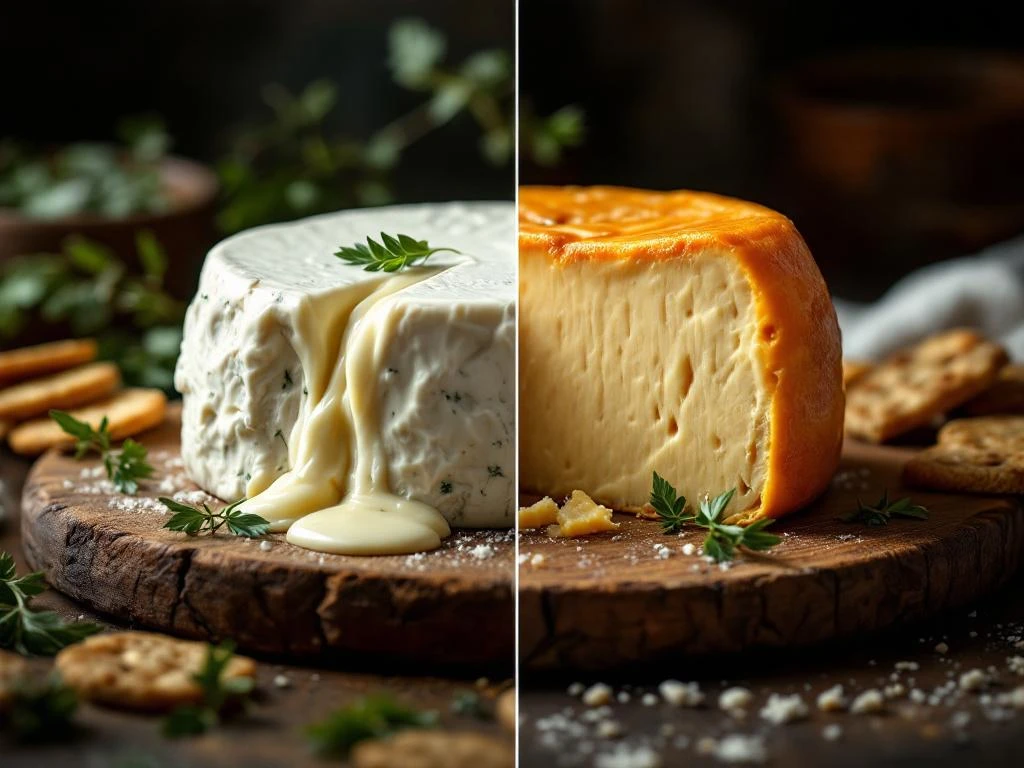
Positioning soft versus hard goat cheese in your product offering requires understanding their distinct characteristics, customer preferences, and optimal merchandising strategies. Soft goat cheese typically includes fresh varieties, spreadable formats, and ripened options like brie, whilst hard goat cheese encompasses aged varieties with firmer textures. The key to successful positioning lies in balancing these varieties to meet diverse customer needs across retail, foodservice, and industrial channels whilst maximising profitability through strategic pricing, display methods, and inventory management.
What makes soft and hard goat cheese different for retailers?
The fundamental differences between soft and hard goat cheese extend far beyond texture, impacting every aspect of retail operations from storage to sales patterns. Soft goat cheese varieties, including fresh rolls, spreadable formats, and ripened options like brie, contain higher moisture content and require refrigeration at 2-4°C. These cheeses typically have shorter shelf lives ranging from 14-45 days, depending on the specific variety and packaging.
Hard goat cheese, conversely, undergoes extended ageing processes that reduce moisture content and create firmer textures. These varieties can tolerate slightly higher storage temperatures and offer shelf lives extending to several months. The ageing process develops complex flavour profiles, from nutty and caramelised notes to sharp, tangy characteristics that intensify over time.
Storage requirements differ significantly between the two categories. Soft varieties demand consistent cold chain management and careful humidity control to prevent moisture loss or bacterial growth. Hard cheeses prove more forgiving, though they still require proper ventilation and protection from temperature fluctuations. Display methods must accommodate these differences, with soft cheeses often requiring sealed packaging or protective atmospheres, whilst hard varieties can be displayed in open cases or wheels.
Customer purchasing patterns reveal distinct behaviours for each category. Soft goat cheese attracts frequent, smaller purchases as customers use these products for immediate consumption in salads, sandwiches, and cooking applications. Hard goat cheese purchases tend to be larger but less frequent, as customers buy portions for extended use in cheese boards, grating applications, or special occasions.
How do customer preferences vary between soft and hard goat cheese?
Consumer preferences for goat cheese textures reflect complex interactions between demographics, culinary traditions, and usage occasions. Younger consumers and urban professionals show strong preferences for soft goat cheese varieties, particularly spreadable formats and fresh options that align with quick meal preparation and health-conscious eating habits. These customers value convenience, seeking pre-portioned formats like 100g tubs or individual serving sizes.
Mature consumers and speciality food enthusiasts often gravitate towards hard goat cheese varieties, appreciating the complexity and craftsmanship involved in aged cheeses. Cultural backgrounds play a significant role, with Mediterranean and Middle Eastern communities showing higher affinity for both soft and hard goat cheese due to traditional culinary applications. Northern European customers may require more education about goat cheese varieties but often become loyal purchasers once familiar with the products.
Seasonal demand fluctuations affect soft and hard varieties differently. Soft goat cheese experiences peak demand during spring and summer months, coinciding with salad season and outdoor dining. Hard goat cheese sales strengthen during autumn and winter, aligning with cheese board presentations and holiday entertaining. Price sensitivity varies considerably, with soft cheese purchasers often comparing prices across brands due to perceived similarity, whilst hard cheese buyers show willingness to pay premium prices for unique flavour profiles and artisanal qualities.
Culinary applications drive distinct preference patterns. Soft varieties dominate in applications requiring melting, spreading, or crumbling, such as pizzas, pastas, and salads. Hard varieties excel in applications demanding grating, shaving, or standalone consumption, making them popular for cheese platters and wine pairings.
What are the best display strategies for soft versus hard goat cheese?
Effective merchandising of goat cheese requires tailored approaches that highlight each variety’s unique characteristics whilst maintaining product integrity. Soft goat cheese performs best in dedicated refrigerated sections with consistent temperatures between 2-4°C, ideally positioned at eye level to maximise visibility. Clear signage indicating freshness dates and suggested uses helps customers make confident purchasing decisions.
Temperature zone management proves critical for maintaining quality. Soft varieties require placement in the coldest sections of cheese cases, away from doors and high-traffic areas that experience temperature fluctuations. Hard goat cheese tolerates slightly warmer positions but still benefits from stable temperatures. Consider creating distinct zones within cheese displays, grouping soft varieties together with complementary items like crackers, honey, or preserves.
Packaging considerations influence display effectiveness significantly. Soft cheeses in transparent packaging allow customers to assess quality visually, whilst vacuum-sealed options extend shelf life and reduce shrinkage. Hard cheeses benefit from being displayed both as whole wheels and pre-cut portions, allowing customers to choose based on their needs and budget. Sample programmes prove particularly effective for both categories, as taste remains the primary driver of goat cheese purchases.
Cross-merchandising opportunities abound for both varieties. Position soft goat cheese near salad ingredients, fresh herbs, and artisanal breads. Hard varieties pair well with wine sections, charcuterie, and speciality crackers. Seasonal displays can feature soft cheeses with summer produce or hard varieties with winter preserves and nuts. Educational materials, including recipe cards and pairing suggestions, enhance customer confidence and drive larger basket sizes.
How should you price soft and hard goat cheese in your assortment?
Strategic pricing of goat cheese varieties requires careful consideration of production costs, market positioning, and competitive dynamics. Soft goat cheese typically carries lower production costs due to shorter ageing requirements, but also faces more intense price competition from conventional dairy alternatives. Pricing strategies should reflect the premium nature of goat cheese whilst remaining accessible to target customers.
Hard goat cheese commands higher prices due to extended ageing periods, storage costs, and weight loss during maturation. These factors justify premium positioning, particularly for varieties aged beyond six months. Margin expectations vary significantly, with soft varieties typically achieving 25-35% gross margins in retail settings, whilst hard varieties can support 40-50% margins due to their speciality status.
Volume versus premium positioning requires careful balance. Soft varieties often serve as entry points to the category, warranting competitive pricing to encourage trial. Consider offering multiple price points within soft cheese ranges, from value-oriented fresh options to premium ripened varieties. Hard cheeses naturally occupy premium positions but benefit from good-better-best strategies that cater to different customer segments.
Value communication proves essential for justifying price points. Emphasise nutritional benefits, digestibility advantages, and versatility for soft varieties. For hard cheeses, highlight ageing processes, flavour development, and artisanal production methods. Bundle pricing for mixed selections can introduce customers to various options whilst improving transaction values. Seasonal promotions on soft varieties during peak demand periods can drive volume without eroding brand value.
Which goat cheese varieties work best for different sales channels?
Channel-specific selection of goat cheese varieties requires understanding unique operational requirements and customer expectations across retail, foodservice, and industrial segments. Retail environments benefit from comprehensive ranges including fresh rolls in 100g and 150g formats, spreadable varieties in consumer-friendly tubs, and pre-sliced options for convenience-seeking shoppers. Learn more about flexible packaging solutions for different market channels.
Foodservice operations demand different specifications entirely. Bulk packaging in 800g to 1kg formats for soft varieties enables efficient kitchen use, whilst pre-portioned options like 20g pucks streamline portion control. Hard cheeses in 2.6kg formats suit professional kitchens requiring consistent supply for menu items. Consider offering exclusive flavour profiles for foodservice clients, such as truffle-infused varieties or herb-seasoned options that add menu differentiation.
Industrial processing channels require maximum flexibility and consistency. Soft cheese in 5kg to 10kg bulk formats facilitates integration into prepared foods, whilst crumbled formats save labour in production environments. Spreadable varieties with extended shelf life suit meal kit applications, and customised specifications for melting or binding properties address specific manufacturing needs.
Online sales present unique challenges requiring robust packaging and extended shelf life. Vacuum-sealed soft varieties and wax-coated hard cheeses travel better than delicate fresh formats. Speciality stores expect unique offerings that differentiate from supermarket selections, making limited-edition aged varieties and seasonal flavour innovations particularly appealing. Each channel benefits from tailored support materials, from retail shelf talkers to foodservice menu descriptions and industrial specification sheets.
Balancing your goat cheese portfolio for maximum profitability
Creating an optimal mix of soft and hard goat cheese varieties requires systematic evaluation of category performance, customer demand patterns, and operational capabilities. Begin by analysing current sales data to identify top performers and slow movers across texture categories. Soft varieties typically generate higher turnover rates but require more frequent ordering and careful inventory management to minimise waste.
Seasonal rotation strategies can maximise profitability whilst maintaining customer interest. Introduce lighter, herb-infused soft varieties during spring and summer months when demand peaks. Transition to richer, aged hard varieties and truffle-enhanced options for autumn and winter periods. This approach aligns inventory investment with demand patterns whilst creating excitement through limited-time offerings.
Inventory management considerations differ significantly between categories. Soft cheeses require just-in-time ordering strategies to ensure freshness, whilst hard varieties allow for strategic purchasing during favourable market conditions. Establish par levels based on sales velocity, adjusting for seasonal variations and promotional activities. Monitor shrinkage carefully, as soft varieties face higher waste risk but also offer opportunities for sampling programmes that drive sales.
Performance evaluation should encompass multiple metrics beyond simple sales volume. Track gross margin return on investment for each variety, considering space allocation, labour requirements, and waste factors. Identify gaps in current offerings by analysing customer requests, competitor assortments, and emerging flavour trends. Regular category reviews enable proactive adjustments, whether introducing innovative soft cheese formats or expanding aged variety selections to capture premium market segments.
Successfully positioning soft versus hard goat cheese in your product offering demands continuous refinement based on market feedback and performance data. By understanding the unique characteristics of each variety, aligning with customer preferences, and implementing strategic merchandising and pricing approaches, you can build a profitable goat cheese category that serves diverse customer needs. Whether you’re expanding existing selections or building new cheese programmes, the key lies in balancing variety with operational efficiency whilst maintaining focus on quality and customer satisfaction.